


Air Serbia Overview & Company Profile
Air Serbia is the flag carrier of the Republic of Serbia, headquartered at Belgrade Nikola Tesla Airport (BEG). The airline traces its roots back to 1927 with the founding of Aeroput, making it one of the oldest airline lineages in Europe. After operating as JAT Yugoslav Airlines and later Jat Airways for decades, the carrier was rebranded as Air Serbia in 2013 following a strategic partnership with Etihad Airways, which initially acquired a 49% stake. That partnership brought fleet modernization, network expansion, and international management expertise to what had been a struggling post-Yugoslav flag carrier.
Since November 2023, Air Serbia is 100% owned by the Republic of Serbia after the government acquired Etihad's remaining shares. Despite Etihad's exit from the shareholding, the two airlines maintain a commercial partnership. The airline carried a record 4.57 million passengers in 2025, surpassing a historic record set by JAT in 1987, and posted record revenue of over EUR 700 million in 2024. Under CEO Jiri Marek, Air Serbia has grown aggressively: the fleet expanded from 21 aircraft in 2019 to 32 in 2025, and the network grew from 59 airports to 83 in the same period. The airline commands a 52% seat share within Serbia, more than three times that of second-ranked Wizz Air. Air Serbia was ranked the 3rd best airline in Eastern Europe by Skytrax in 2025, behind LOT Polish Airlines and airBaltic.
Fleet Composition & Type Ratings
Air Serbia operates a mixed fleet of four distinct aircraft families, covering everything from short regional hops on turboprops to transatlantic services on widebody jets. The fleet has grown significantly since 2022, with eighteen aircraft added in the last three years alone. The carrier's long-term plan envisions growing the A330 fleet to up to eight aircraft and potentially introducing new-generation narrowbodies. Air Serbia placed an order for 10 Airbus A320neo aircraft in November 2019, although deliveries have been delayed by Airbus production bottlenecks and post-pandemic supply chain issues. The airline is also evaluating the Airbus A220 as a potential future type, having explored wet-leasing airBaltic A220s.
| Aircraft Type | Role | In Service | Routes / Notes |
|---|---|---|---|
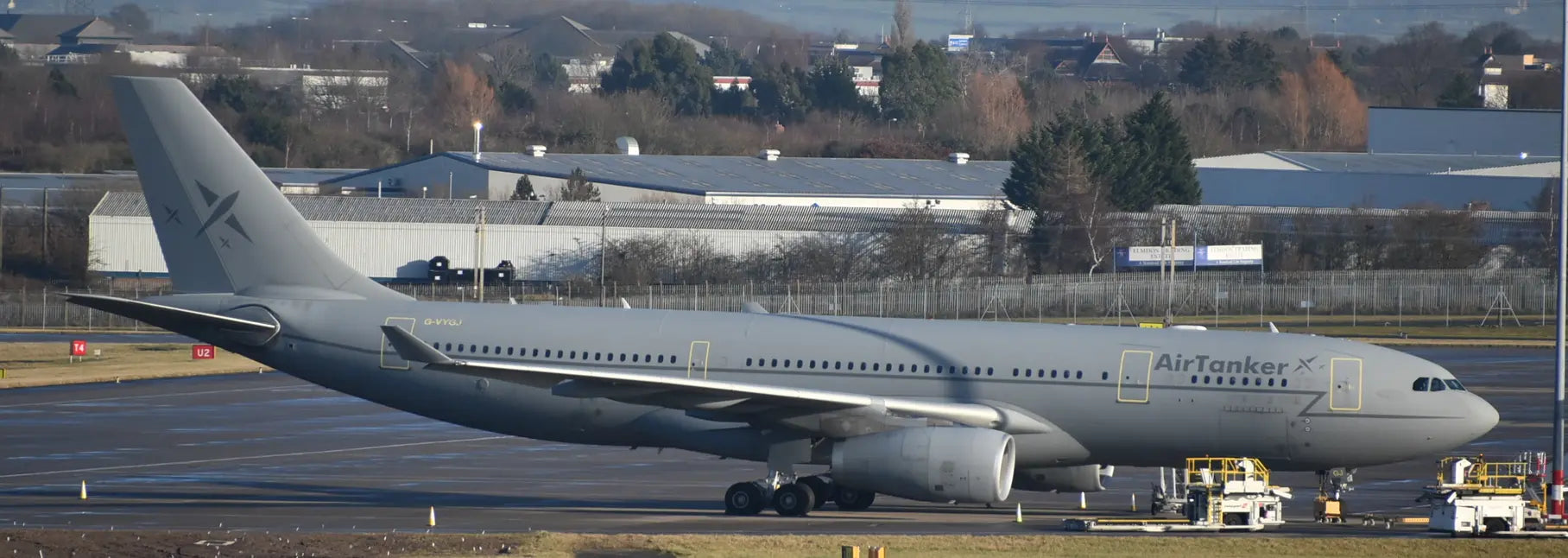
| Airbus A330-200 | Widebody | 4 | Long-haul: New York JFK, Chicago ORD, Guangzhou, Shanghai. Ex-Etihad/Air Belgium frames. Plan to grow to 8 units. |
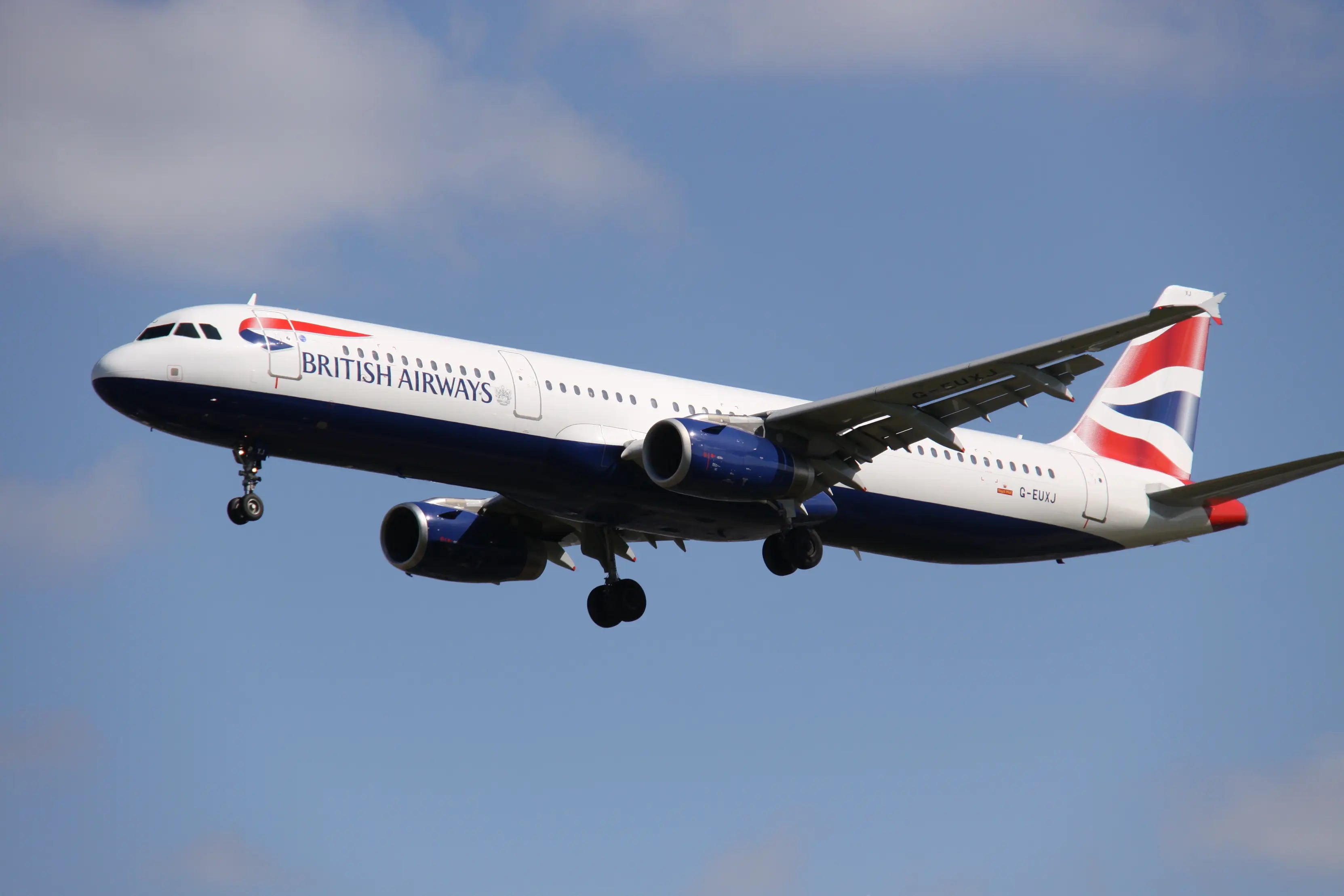
| Airbus A319-100 | Narrowbody | 9 | European short/medium-haul. 144-seat configuration. Core of the network. |
| Airbus A320-200 | Narrowbody | 7 | European routes. 180 seats. 3 additional units arriving by mid-2026 (ex-Wizz Air, ex-Aegean). |
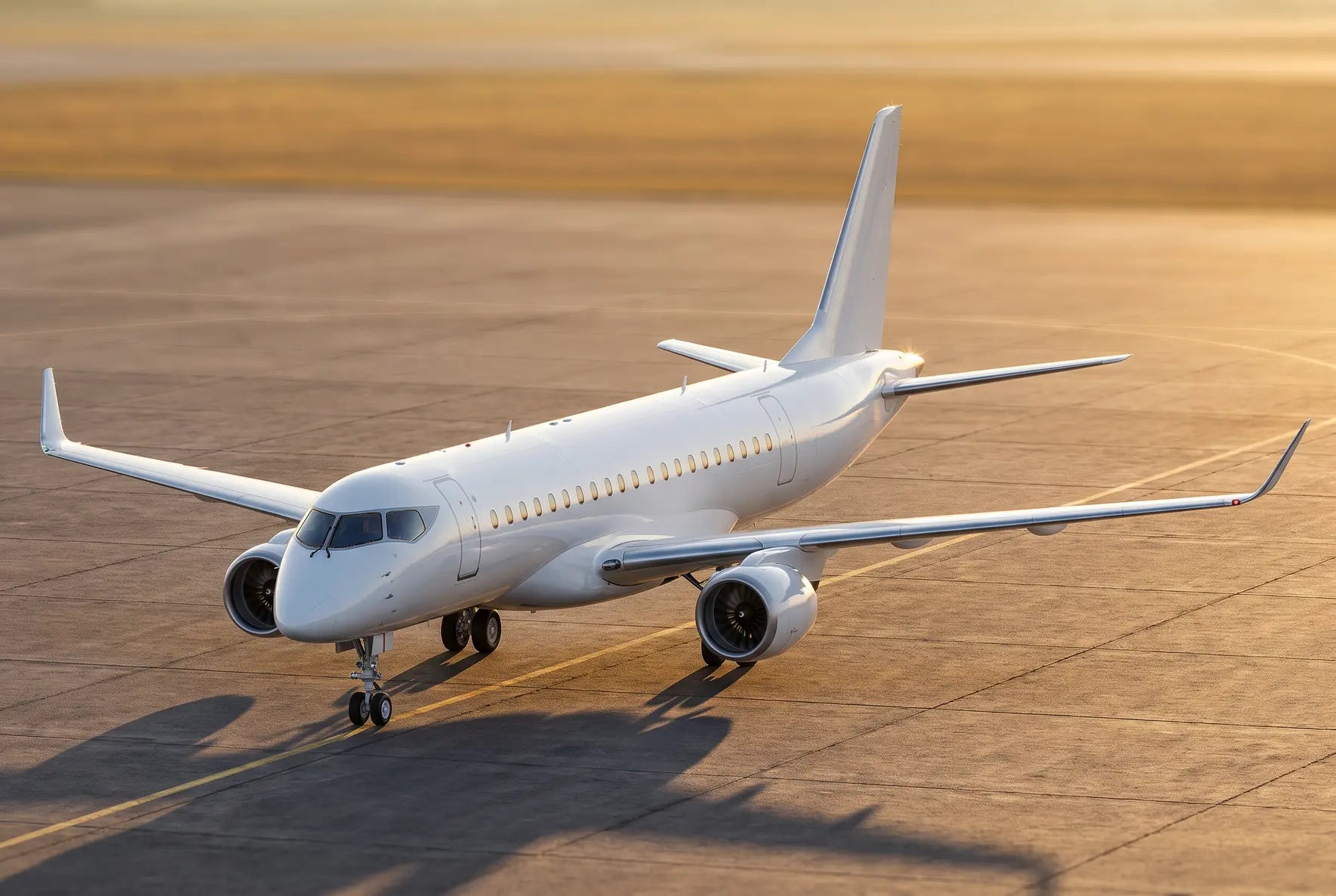
| Embraer E195 | Regional Jet | 3 | Thinner European routes. 118 seats. 4th unit arriving H1 2026. |
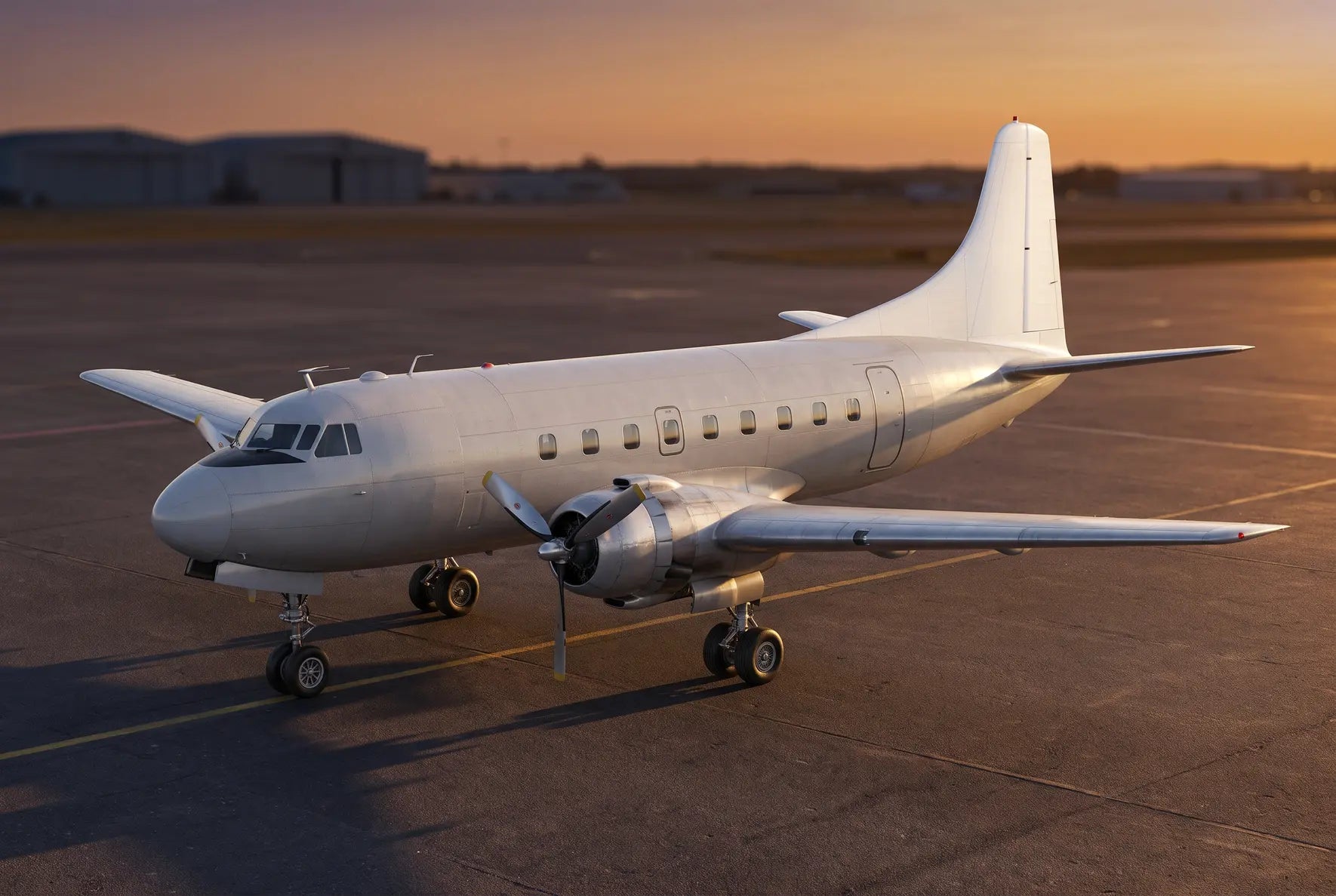
| ATR 72-600 | Turboprop | 10 | Regional/domestic. 72 seats. Serves smaller Balkan airports and seasonal routes. |
Fleet data as of early 2026. Fleet expected to reach 35+ aircraft by end of 2026 with ongoing deliveries.
Air Serbia requires pilots to hold a valid type rating on the aircraft they will operate: A320 family, A330, E195, or ATR 72. Type rating costs are generally covered by the airline for pilots recruited through the official selection process. The A319/A320 fleet is the most common entry point for narrowbody pilots, while the ATR 72 and E195 serve as entry fleets for pilots with regional experience. Transition to the A330 widebody fleet is seniority-based and depends on operational needs. The A330-200s feature refurbished Etihad-style cabins with 22 business class and 240 economy seats.
Pilot Salary & Compensation
Air Serbia pilot salaries are modest compared to Western European legacy carriers but competitive within the Balkan and Eastern European context. Compensation is structured as a base salary plus flight pay (productivity-based, tied to monthly block hours), per diem allowances for layovers, and occasional bonuses. Serbia's lower cost of living, combined with a favorable tax regime (flat 10% income tax rate, with social contributions around 35% on top), means that net purchasing power is reasonable despite lower gross figures. According to industry sources and pilot forums, approximate net (after-tax) pay is around EUR 4,000/month for Captains and EUR 2,000/month for First Officers, plus variable flight pay and per diems that can add EUR 500 to EUR 1,500 per month depending on flying activity.
Estimated Pay Ranges
| Position | Est. Net Monthly Base | Est. Annual Gross | Notes |
|---|---|---|---|
| First Officer (entry) | ~EUR 2,000 | ~EUR 35,000 - 45,000 | Plus flight pay and per diems. Narrowbody fleet. |
| First Officer (5+ yrs) | ~EUR 2,500 - 3,000 | ~EUR 45,000 - 55,000 | With productivity bonuses and seniority increments. |
| Captain (narrowbody) | ~EUR 4,000 | ~EUR 65,000 - 80,000 | A319/A320 fleet. Plus per diems on layovers. |
| Captain (widebody A330) | ~EUR 4,500 - 5,500 | ~EUR 80,000 - 100,000 | Long-haul premium. Higher per diems on US/China routes. |
Estimates compiled from pilot forum reports and Serbian salary data. Actual figures depend on the current collective agreement and individual seniority.
Air Serbia does not publicly disclose pilot pay scales. The figures above are estimates based on pilot community reports, Serbian labor market data, and industry benchmarks for comparable Eastern European carriers. Serbia's flat 10% income tax and relatively low cost of living (Belgrade's cost of living is roughly 60% lower than Paris or London) mean that the purchasing power of these salaries is significantly higher than the gross numbers suggest. Always verify compensation directly with Air Serbia during the recruitment process. The Independent Union of Serbian Pilots has periodically raised concerns about pay levels, suggesting ongoing negotiations around compensation.
Roster Pattern & Quality of Life
Air Serbia operates under Serbian CAD (Civil Aviation Directorate) regulations, which are broadly aligned with EASA Flight Time Limitation (FTL) rules, as Serbia is in the process of harmonizing its aviation regulations with EU standards ahead of its EU accession candidacy. Pilots can expect a flexible roster pattern with schedules published approximately two weeks in advance. The airline offers 42 days of annual leave, which is generous by regional standards and reflects Serbian labor law provisions.
📅 Sample Month: Narrowbody First Officer (BEG)
Long-haul A330 crews operate on different rotations. A typical New York or Chicago trip involves a 9 to 10-hour outbound sector, a 24 to 48-hour layover, and a return sector. Augmented crews (3 pilots) are used on the longer China routes (Guangzhou, Shanghai), which involve 10 to 12-hour sectors. Long-haul pilots generally log fewer duty days per month but accumulate higher block hours per rotation.
All Air Serbia pilots are based at Belgrade Nikola Tesla Airport (BEG). There are no secondary bases. Belgrade offers a significantly lower cost of living compared to Western European capitals, with rental prices typically 60 to 70% lower than cities like London, Paris, or Amsterdam. The city has a vibrant cultural scene, excellent food, and a central geographic position that makes personal travel across Europe easy. Belgrade's compact size means commuting to the airport is straightforward, with most pilots living 20 to 40 minutes from BEG. Serbia does not require EU citizenship for residency, making relocation relatively simple for non-EU pilots who secure an Air Serbia contract.
Benefits, Travel Perks & Retirement
As a state-owned flag carrier, Air Serbia provides a benefits package that includes the statutory requirements of Serbian labor law plus airline-specific perks. While the package is not as comprehensive as those at major Western European legacy carriers, the combination of low living costs and solid basic protections makes it reasonable for the regional context.
While Air Serbia's salary and benefits may appear modest on paper, Belgrade's cost of living provides significant purchasing power. Average monthly rent for a two-bedroom apartment in central Belgrade is approximately EUR 500 to 700, compared to EUR 1,500 to 2,500 in cities like Vienna, Munich, or Amsterdam. Dining, transportation, and daily expenses are similarly affordable. Serbia's flat 10% income tax rate is among the lowest in Europe. This cost-of-living advantage effectively closes much of the gap with higher-paying carriers in Western Europe, particularly for pilots who intend to live locally.
Career Progression & Seniority
Career progression at Air Serbia follows a seniority-based model, though the airline's rapid growth has created faster-than-average upgrade opportunities compared to larger carriers. The airline promoted 23 Captains in 2023 alone, a significant number for a carrier of its size, reflecting both fleet expansion and natural attrition. Air Serbia accepts both direct-entry Captains and internal upgrades, which means experienced pilots from other airlines can join in the left seat if they meet the requirements and a position is available.
The airline relaunched its Cadet Programme in 2024 in partnership with the Aviation Academy, signing contracts with ten young trainees for the 2024/2025 academic year. This programme offers modern simulator training, mentorship from senior colleagues, and a path to employment upon completion. It signals a return to the airline's historical tradition of growing its own talent from ab-initio through to the flight deck.
| Career Milestone | Typical Timeline | Notes |
|---|---|---|
| Join as F/O (A319/A320 or ATR 72) | Day 1 | Most common entry. Type-rated pilots join directly on their qualified fleet. |
| Transition to E195 or A320 from ATR | 2-4 years | Subject to fleet needs and seniority position. |
| Widebody F/O (A330) | 3-6 years | Depends on A330 fleet growth and vacancies. Faster than at larger carriers. |
| Captain upgrade (narrowbody) | 5-10 years | Command assessment required. Significantly faster than Western legacy carriers. |
| Captain on widebody (A330) | 8-15 years | Depends on fleet expansion. 23 captains promoted in 2023. |
| Training Captain / TRI / TRE | Variable | Separate selection and instructor qualification required. |
Air Serbia's aggressive expansion plan, targeting 35+ aircraft by 2026 and up to 8 A330s within five years, creates significant career acceleration opportunities. The airline grew its fleet by over 50% between 2019 and 2025, and this pace of expansion directly translates into faster upgrade times and more fleet transition opportunities than pilots would find at a stable or shrinking carrier. For ambitious pilots willing to build a career in the Balkans, this growth trajectory is one of Air Serbia's strongest selling points.
Recruitment Process & Requirements
Air Serbia recruits pilots through its official careers portal on a rolling basis, with open days and targeted campaigns when fleet expansion demands additional crew. The airline accepts pilots from various national backgrounds, as Serbia does not impose an EU/EEA citizenship requirement. Candidates must be eligible to live and work in Serbia, which is relatively straightforward for most nationalities. The selection process is structured but less formalized than at major Western European carriers.
General Requirements
Selection Stages
Online Application
Candidates submit their CV, copies of license, medical certificate, passport, and the last two pages of their logbook showing total flight time per category via the Air Serbia careers portal.
Initial Screening by Fleet Management
Fleet managers evaluate candidates based on defined parameters and competition conditions. Shortlisted candidates are invited to the next stage.
Technical & Psychological Tests
A technical knowledge test assesses aviation fundamentals and type-specific knowledge. Psychological testing evaluates cognitive abilities, decision-making, and behavioral traits. Both are conducted at the airline's facilities in Belgrade.
Simulator Assessment
Candidates demonstrate their flying skills and CRM competencies in a simulator session on the relevant aircraft type. This practical assessment evaluates handling, situational awareness, and crew coordination under normal and abnormal scenarios.
HR Interview & Contract
A final interview with Human Resources assesses cultural fit and competency alignment. Successful candidates receive a permanent contract with a 6-month probation period. Line training and operational integration follow.
Unlike many Western European carriers, Air Serbia does not require Serbian language skills for pilot positions. English is the working language on the flight deck. The airline's open nationality policy makes it accessible to a wider pool of international candidates. Previous multi-crew experience on jet or turboprop types is expected. For the Cadet Programme, candidates should monitor the Air Serbia careers page and Aviation Academy announcements, as cohort intake is limited to around 10 places per year. Air Serbia has historically held open-day recruitment events, where candidates can present their documents in person.
Top 5 Layover Destinations
Air Serbia's long-haul network has expanded significantly since 2022, giving pilots access to layover destinations across two continents. The A330-200 fleet serves four regular long-haul destinations, with Toronto planned for 2026. Long-haul layovers typically last 24 to 48 hours, with China routes sometimes offering longer rest periods due to scheduling constraints. Short-haul European layovers are less common, as most routes operate as day-return sectors from Belgrade.
Air Serbia's CEO has indicated that the airline aims to grow its A330 fleet to up to 8 aircraft within five years. Miami has been publicly discussed as a future US destination, and additional Chinese cities (potentially Beijing) are under consideration. The airline also previously served Tianjin (Dec 2022 to Nov 2024) and Cairo. Each new long-haul route creates additional layover opportunities and increases demand for widebody-qualified pilots.
How Air Serbia Compares: Airline Radar Chart
How does Air Serbia stack up against two comparable carriers in the region: Croatia Airlines (the Croatian flag carrier) and TAROM (Romania's national airline)? All three are state-owned legacy carriers operating in Southeastern/Eastern Europe, competing for similar talent pools. Below is our comparative analysis across five key metrics.
Key Takeaways from the Comparison
Air Serbia leads on growth and job security. With record passenger numbers (4.57 million in 2025), a growing fleet (32 aircraft and expanding), and consistent profitability, Air Serbia is in the strongest financial position of the three. Croatia Airlines is smaller and more conservative in its growth strategy, while TAROM is constrained by an EU-approved restructuring program that prohibits fleet or route expansion until the end of 2026.
Fleet diversity favors Air Serbia. Air Serbia is the only one of the three operating widebody aircraft (four A330-200s), giving pilots access to long-haul flying that Croatia Airlines and TAROM simply cannot offer. This matters enormously for career variety and the earning potential from long-haul per diems.
Salaries are low across all three. None of these carriers can compete with Western European pay scales. However, Air Serbia's position in Serbia (with its 10% flat income tax and low cost of living) arguably offers the best purchasing power of the three. Croatia's EU membership means higher living costs, particularly in Zagreb and Split, while Romania's wages are similarly modest with higher tax pressure than Serbia.
Skytrax rankings confirm the hierarchy. Air Serbia ranked 3rd in Eastern Europe in 2025, Croatia Airlines 7th, and TAROM 8th, reflecting both product quality and operational performance.
Scores are editorial estimates based on publicly available data from airline reports, Skytrax rankings, CAPA analyses, and pilot community feedback. They represent a general assessment for an experienced pilot evaluating a long-term career. Individual experiences will vary based on fleet assignment, seniority, and personal priorities.
Verdict: Who Is Air Serbia For?
🎯 Our Take
Air Serbia is a rapidly growing flag carrier that punches above its weight. With a fleet of 32 aircraft spanning turboprops to widebody jets, long-haul services to the US and China, record passenger numbers, and consistent profitability, the airline offers something rare in the Balkans: genuine career growth potential with international flying.
The trade-offs are real: salaries are significantly lower than at Western European carriers, the benefits package lacks some protections common at major airlines (notably a dedicated aviation pension and confirmed loss-of-license coverage), the fleet's average age of 14.3 years is on the older side, and the airline's dependence on government ownership introduces political risk. Belgrade, while affordable and culturally rich, may not appeal to everyone.
For pilots seeking a stepping stone into widebody flying, a fast upgrade path to Captain, or a lifestyle-oriented career with low living costs and access to intercontinental routes, Air Serbia deserves serious consideration. It is the strongest carrier in the former Yugoslav region and one of the most dynamic in Eastern Europe.
1 Do I need to be a Serbian citizen to fly for Air Serbia?
No. Air Serbia does not require Serbian citizenship. Candidates must hold a valid passport and be eligible to live and work in Serbia. The airline has hired pilots from various nationalities. Serbia's work permit process is relatively straightforward compared to many EU countries.
2 Do I need to speak Serbian?
No. English is the working language on the flight deck at Air Serbia. ICAO English Language Proficiency Level 4 is the minimum requirement, though Level 5 or 6 is preferred. Serbian language skills are not a prerequisite for pilot positions, though basic knowledge can be helpful for daily life in Belgrade.
3 Does Air Serbia pay for the type rating?
Air Serbia generally requires candidates to hold a current type rating on the aircraft they will operate (A320 family, A330, E195, or ATR 72). For pilots recruited through the official selection process or the cadet programme, type rating costs are typically covered. For direct-entry positions, having an existing type rating is a significant advantage.
4 How long does it take to upgrade to Captain?
Upgrade timelines at Air Serbia are faster than at most Western European carriers, thanks to the airline's rapid growth. Estimates range from 5 to 10 years for narrowbody Captain, depending on fleet expansion and vacancies. The airline promoted 23 Captains in 2023, a significant number for a carrier of its size. Air Serbia also accepts direct-entry Captains from other airlines.
5 What is the quality of life like in Belgrade?
Belgrade offers an excellent quality of life for pilots, with a significantly lower cost of living than most Western European capitals. Rent, dining, and transportation are 60 to 70% cheaper than in cities like London or Paris. The city has a vibrant nightlife, cultural scene, and food culture. Serbia's central geographic position makes personal travel across Europe easy, and Belgrade Airport is conveniently located close to the city centre. The flat 10% income tax rate is another significant advantage.
6 Is Air Serbia financially stable?
Air Serbia has posted record revenue (EUR 700.3 million in 2024) and record profits in consecutive years. The airline is 100% owned by the Serbian government, which has demonstrated strong commitment to the carrier's growth, including supporting fleet expansion and long-haul network development. The airline carried 4.57 million passengers in 2025, a historic record. While government ownership introduces political risk, the current trajectory is positive and the airline is profitable.
7 Can I fly widebody (A330) at Air Serbia?
Yes. Air Serbia operates four A330-200s on long-haul routes to New York, Chicago, Guangzhou, and Shanghai, with Toronto planned for 2026. The airline plans to grow the widebody fleet to up to 8 aircraft within five years. Widebody positions are filled based on seniority and operational need, but the fleet's rapid growth creates more opportunities than at carriers with stable or shrinking long-haul operations.
8 What license do I need to fly for Air Serbia?
Air Serbia accepts a valid EASA FCL license, a Serbian CAD license, or a validated equivalent acceptable to the Serbian Civil Aviation Directorate. For pilots holding non-EASA licenses, validation through the Serbian CAD may be required. A current type rating on the relevant aircraft type (A320, A330, E195, or ATR 72) is also required, along with a valid Class 1 Medical Certificate and ICAO ELP Level 4 or higher.
Official Links & Resources
Before applying or making any career decisions, always verify information directly with official sources. These are the key websites and organizations relevant to Air Serbia pilot careers:
Follow EX-YU Aviation News for the most up-to-date coverage of Air Serbia fleet movements, pilot hiring campaigns, and route expansions. The site's comment sections often contain firsthand insights from current and former employees. For official vacancy postings, check the Air Serbia careers page regularly, as positions are posted on a rolling basis without fixed campaign dates.