

National Airlines Overview & Company Profile
National Airlines (IATA: N8, ICAO: NCR, callsign NATIONAL CARGO) is a US-based supplemental cargo and passenger charter operator headquartered in Orlando, Florida. The airline is legally registered as National Air Cargo Group, Inc., a wholly owned subsidiary of National Air Cargo Holdings, founded in 1991 by Christopher J. Alf. The operational headquarters sit at 5955 T.G. Lee Boulevard next to Orlando International Airport (MCO), while the parent group maintains corporate offices at 350 Windward Road in Orchard Park, New York.
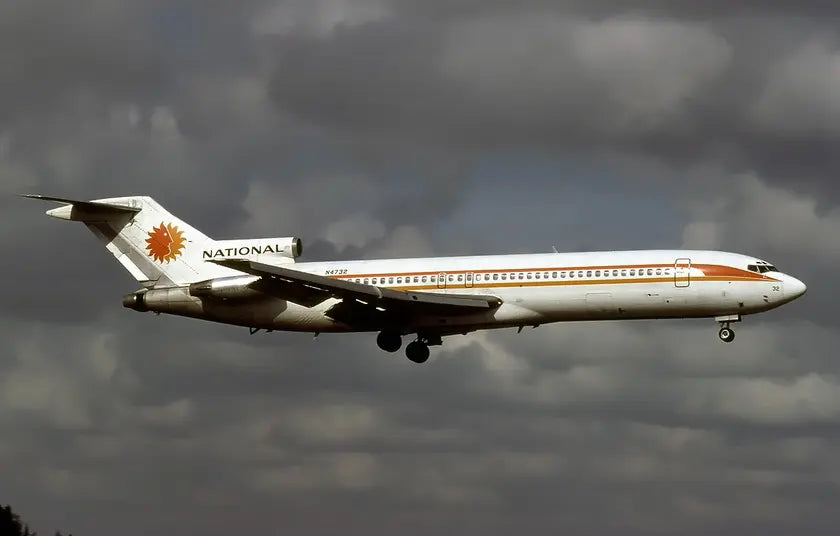
Although often confused with the defunct original National Airlines absorbed by Pan Am in 1980, today's National Airlines is an entirely separate company. It traces its certificate back to Murray Aviation, founded in 1985, which was acquired by National Air Cargo in 2006 and rebranded as National Airlines in December 2008. The carrier operates under an FAA Part 121 supplemental certificate and is a member of the Civil Reserve Air Fleet (CRAF) program, a voluntary arrangement under which commercial airlines can be called up to support US military airlift in a national emergency.
Today the airline runs a pure on-demand charter business. Its work is split across three main verticals: military charters for the US Department of Defense under USTRANSCOM contracts, commercial cargo for automotive, energy, oil and gas, fashion, e-commerce and pharmaceutical customers, and humanitarian missions for agencies such as the UN, USAID and WHO. Passenger charters, operated on widebody Airbus A330s and a single Boeing 757, serve professional sports teams, corporate groups, government delegations and tour operators.
There is no published route network. Instead, National flies where it is contracted, reaching more than 450 airports worldwide across over 100 countries. The company employs roughly 800 staff globally, with approximately 236 pilots on the seniority list according to Airline Pilot Central.
This article is aimed at pilots considering National Airlines as a first Part 121 seat, at experienced heavy jet captains evaluating a direct entry position, and at cargo pilots weighing a move from Atlas, Kalitta, Omni or similar operators. The working conditions at a supplemental charter carrier differ significantly from scheduled passenger airlines, and the trade-offs between pay, quality of life and career stability require a clear picture before applying.
Fleet Composition & Type Ratings
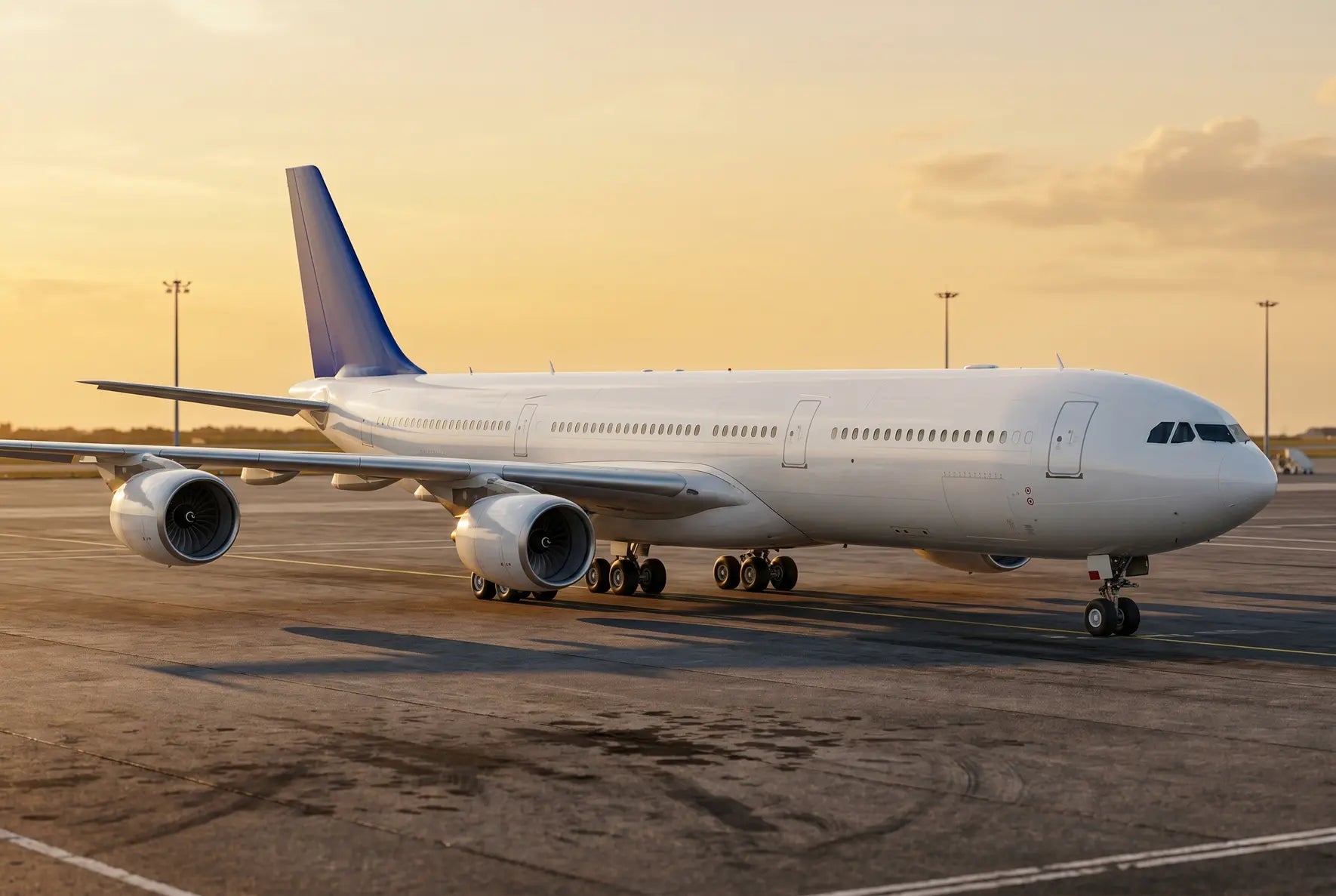
National Airlines runs a dual-purpose fleet: the Boeing 747-400 Freighter remains the backbone of cargo operations, while the passenger side of the business is built around widebody Airbus A330-200 and A330-300 aircraft, with a single Boeing 757-200 filling narrowbody charter demand. Following a December 2024 announcement, the current active fleet sits at nine 747-400 freighters plus four widebody passenger aircraft. The airline has also placed a direct order with Boeing for four 777-200 Freighters, with deliveries scheduled for FY 2025 to 2026. This will mark the first new-build aircraft order in National's history and a significant modernization step for a fleet that has historically relied on the second-hand market.
| Aircraft Type | Role | In Service | Notes |
|---|---|---|---|
| Boeing 747-400F / 747-400ERF | Freighter | Core of 9-aircraft 747 fleet | Main cargo workhorse. 120+ metric ton payload on ERF variant. |
| Boeing 747-400BCF | Freighter (converted) | Included in 9-aircraft count | Boeing Converted Freighter variant. Ex-passenger airframes. |
| Boeing 757-200 | Passenger charter | 1 | Narrowbody charter. Smaller group movements, regional missions. |
| Airbus A330-300 | Passenger charter | 1 | 299 seats in dual-class. Long-haul groups, corporate, sports teams. |
| Airbus A330-200 | Passenger charter | 2 | Extended-range widebody. Up to 8,150 nm range. Added 2024. |
| Boeing 777-200F | Freighter (on order) | 4 ordered | FY 2025-26 delivery. Twin-engine replacement for aging 747s. |
Fleet figures as of late 2024 and early 2025 per National Airlines press releases and Airline Pilot Central. Individual airframe counts shift as aircraft cycle in and out of maintenance.
National Airlines pilots typically hold a type rating on one of two aircraft groups: the Boeing 747-400 or the Airbus A330 / Boeing 757 (Common Type Rating). Job postings for First Officers are advertised as "B747 / A330" and the company often cross-lists roles for the same candidate pool. New hires receive company-funded type rating training if not already type-rated. On the 747, the operation is pure freighter; on the A330 and 757, pilots fly premium passenger charters with occasional belly cargo. The incoming 777F will require a new type rating and will likely trigger a wave of fleet transitions once deliveries begin.
The fleet strategy reflects National's business model. Large widebody freighters maximize payload on outsize, heavy, and military cargo, where the 747's nose-loading capability and high payload are genuinely hard to replace. The A330 passenger aircraft, meanwhile, are positioned as a premium charter alternative for groups that want widebody comfort without the scale of a commercial airliner. The pending 777F order signals that National expects cargo demand, particularly from defense, e-commerce and specialized industrial clients, to remain strong into the late 2020s, and that the airline views the upcoming retirement wave of 747-400s as a replacement opportunity rather than a downsizing moment.
Pilot Salary & Compensation Breakdown
National Airlines pays on an hourly-rate structure with no differential between aircraft types. Unlike legacy carriers where a 747 captain earns more than an A320 captain, at National a 747 captain and an A330 captain on the same year of service are paid the same. The pay scale is entirely driven by years of service, topping out at year 12. This flat structure is typical of smaller supplemental carriers and rewards longevity over fleet choice.
The monthly pay guarantee for line holders is 65 hours, meaning a pilot will be paid for at least 65 hours per month even if scheduled flying comes in below that. There are no reserve lines, so every pilot either holds a bid line or is on days off. Scheduled pay raises occur annually on the employee's date of hire. Day-off pay (flying on a scheduled day off) is credited at 200% of the normal hourly rate, which can be a meaningful income bump for pilots willing to pick up extra trips.
First Officer Pay Scale (Hourly, Flat Across Fleet)
| Year of Service | Hourly Rate | Annual at 65-hr Guarantee | Annual at 80 hrs/month |
|---|---|---|---|
| Year 1 | $120 | ~$93,600 | ~$115,200 |
| Year 2 | $140 | ~$109,200 | ~$134,400 |
| Year 3 | $160 | ~$124,800 | ~$153,600 |
| Year 5 | $170 | ~$132,600 | ~$163,200 |
| Year 7 | $180 | ~$140,400 | ~$172,800 |
| Year 10 | $195 | ~$152,100 | ~$187,200 |
| Year 12 (top) | $205 | ~$159,900 | ~$196,800 |
Base annual estimate at the 65-hour monthly guarantee. Most pilots exceed the guarantee, especially during high-demand military rotations. Day-off flying at 200% and per diem significantly lift take-home pay.
Captain (PIC) Pay Scale (Hourly, Flat Across Fleet)
| Year of Service | Hourly Rate | Annual at 65-hr Guarantee | Annual at 80 hrs/month |
|---|---|---|---|
| Year 1 (Direct Entry) | $226 | ~$176,300 | ~$216,960 |
| Year 3 | $237 | ~$184,900 | ~$227,520 |
| Year 5 | $250 | ~$195,000 | ~$240,000 |
| Year 7 | $262 | ~$204,400 | ~$251,520 |
| Year 10 | $282 | ~$220,000 | ~$270,720 |
| Year 12 (top) | $296 | ~$230,880 | ~$284,160 |
Captain rates published on Airline Pilot Central. A Direct Entry Captain starts at year 1 of the scale and progresses annually. Top-of-scale pay with day-off premiums and per diem can exceed $300,000 per year.
Per Diem & Other Income Components
Hourly pay rates, guarantee hours and per diem amounts are sourced from Airline Pilot Central, a community-maintained reference regularly updated by verified pilots. These figures are not backed by a collective bargaining agreement, since National Airlines pilots are not unionized. Because pay is set unilaterally by the company, rates can change without a ratification cycle, and the current scale may have been revised. Annual estimates assume steady flying at the stated block hours and do not include tax, 401(k) deductions, or overtime premiums. Verify the current pay scale directly with a recruiter before any career decision.
Roster Pattern & Home-Based Lifestyle
National Airlines operates one of the most distinctive scheduling structures in US Part 121 aviation. There is no traditional domicile bid. Every pilot is home-based anywhere in the United States and deadheads on positive-space airline tickets, on the company dime, to and from work from an approved home airport. This eliminates the commuter problem that defines life at most scheduled carriers, where pilots either relocate to their base or burn days off on standby jumpseats.
The core monthly pattern is 17 or 18 days on, 13 days off (the "on" count varies with the 30 or 31-day month). Deadhead travel occurs on the available days at the start and end of a rotation, not on days off, which are fully protected. Pilots bid schedules in three-month blocks. Because this is a pure charter operation, specific flying is not published in advance: pilots bid their days off, and the company assigns trips dynamically from within the available days. The flying is fluid and can change on short notice, which is the trade-off for the simple day-off pattern.
📅 Sample Month - Home-Based Cargo Pilot (US)
A typical trip can be short (a two-day out-and-back on the 757 or A330) or run well past a week on international 747 rotations to Europe, the Middle East or Asia. Because the work is charter, a rotation may extend mid-trip if a new military or commercial contract is picked up while crews are already positioned overseas. Schedule stability is therefore driven less by advance bidding and more by how the 65-hour guarantee cushions slower months.
For pilots living in smaller markets far from a major hub, the home-based structure is probably National's single most attractive feature. There is no need to relocate to Florida, no crash pad costs, and no lost days off commuting to base. The company covers positive-space airline tickets for deadhead travel on the flying days, so the commute is part of the rotation rather than part of the personal calendar. This makes National competitive even against higher-paying legacy carriers for pilots who prioritize staying put geographically.
The flip side of the home-based model is short-notice flying. Because charter contracts can materialize without warning, pilots on duty days often do not know where they will be going 48 hours out. Long rotations, last-minute reroutes, and extended duty periods are part of the job. Pilots used to a published monthly line from a scheduled carrier will find the unpredictability a significant cultural shift. Discipline around rest, hydration and duty limits is essential.
Benefits, Per Diem & Retirement
National Airlines offers a benefits package that is competitive within the supplemental charter segment but sits well below what a US legacy pilot receives. The absence of a union contract means benefits are set by company policy rather than a negotiated CBA, so the employer can adjust them without a bargaining cycle. The core elements, however, have been stable for several years.
A 5% company match on top of a 65-hour guaranteed hourly rate is a solid foundation, but it is not a defined-benefit pension. At FedEx, UPS, and the US passenger legacies, pilots receive a combination of 401(k) match plus a direct company contribution or a legacy pension plan that can be worth 15% or more of total compensation. National pilots planning for retirement should assume they carry more of the savings burden personally, and should calibrate their own 401(k) contribution rate accordingly. The one-year waiting period before the match kicks in is also worth noting for new hires.
A handful of softer perks round out the package. Because National does a significant amount of military charter work, pilots frequently transit through Department of Defense installations and may qualify for specific travel allowances tied to hazardous destinations. Per diems accumulate rapidly on long international rotations: a 10-day Middle East trip can add $750 or more in tax-advantaged income on top of flight pay. Pilots who maximize day-off flying at 200% further stretch the gap between guaranteed and actual earnings.
Career Progression & Direct Entry Captain
Career progression at National Airlines is fundamentally different from the legacy model. Because the airline hires Direct Entry Captains off the street, a pilot does not have to sit in the right seat for years waiting for a senior list to retire. Candidates who meet the Captain minimums apply for the left seat directly, enter training, and fly as PIC from day one on the line. For a seasoned pilot with heavy jet time, this can compress what would be a decade-long path at a scheduled carrier into a single training cycle.
That flexibility comes with caveats. The seniority list is only about 236 pilots, so movement between fleets and between seats is driven more by specific aircraft vacancies than by a predictable retirement wave. Upgrades from First Officer to Captain do happen for internal pilots, but the company does not publish a formal upgrade queue, and the relative weight of internal upgrades versus external DEC hires shifts with operational needs. New hires should go in with open expectations about timing.
| Career Step | Typical Timeline | Notes |
|---|---|---|
| Join as First Officer (747 or A330) | Day 1 post-training | Entry point for pilots who do not yet meet DEC mins. Type rating on 747-400 or A330 provided by the company. |
| Build Part 121 experience | 1 to 3 years | Accrue heavy jet PIC / SIC time. Move up the year-of-service pay scale from $120 toward $160+ per hour. |
| Cross-train to second fleet (optional) | Variable | Some FOs transition between the 747 and the A330 / 757 family based on company need and openings. |
| Direct Entry Captain (external hire) | Any time, if mins met | 5,000 hrs TT and 1,000 hrs PIC (or qualifying SIC per FAR 121.436). Starts at year 1 of the Captain scale at $226/hr. |
| Internal upgrade to Captain | Opportunity-driven | No published queue. Driven by openings, performance, and operational needs rather than a fixed seniority wait. |
| Check Airman / Instructor | Variable | Selected pilots may move into training roles. Requires additional qualifications and management approval. |
The ability to walk in as a Captain is rare in US Part 121 aviation. At major passenger carriers, even the fastest upgrades take years. At Atlas Air, where upgrades are strictly seniority-based under the Teamsters 1224 contract, time in the right seat can stretch well past the point when a pilot would already be a Captain at National. For experienced military aviators, corporate or 135 heavy pilots, and returning airline captains looking to avoid starting at the bottom, National's DEC program is a genuine differentiator. The trade-off is that an internal First Officer does not have a protected upgrade path, since the company can choose to fill captain vacancies externally.
The incoming Boeing 777 Freighter order is the most significant career-planning variable on the horizon. Four 777Fs arriving in 2025-2026 will require a full complement of type-rated captains and first officers for each airframe, which historically triggers a wave of internal moves and new hires. Pilots already on the property should be positioned to bid these seats when they open. Externally, candidates with 777 time or relevant widebody experience are likely to be preferred for direct entry on the new type.
Recruitment Process & Requirements
National Airlines recruits through two distinct pathways: First Officer and Direct Entry Captain. Both positions are posted year-round on the official careers portal, and the stated intent is to run classes of 12 to 14 pilots per month on a continuous basis. The process is streamlined relative to a legacy carrier: no psychometric batteries, no multi-day assessment centers, no cadet stream.
First Officer Minimums
Direct Entry Captain Minimums
Selection Stages
Online Application
Apply through the National Airlines careers portal with a resume upload. Applications are reviewed on a rolling basis. The most qualified candidates are advanced to the next stage; others may be kept in a pool for future classes. There is no application fee.
Video Interview
Shortlisted candidates are contacted to schedule a video interview. This is typically a conversation with a chief pilot or recruiter covering technical knowledge, scenario-based CRM questions, and motivation for flying cargo / charter. The tone is professional but direct, consistent with National's operational culture.
Background & Records Check
A 10-year background investigation is required. This includes a Pilot Records Check (PRD), DOT pre-employment drug test, and Criminal History Report Check (CHRC). Candidates must disclose any prior FAA enforcement actions or accident / incident involvement.
Class Date & Type Rating
Successful candidates are given a class date (new hire classes of 12 to 14 pilots run monthly). Training is conducted on the assigned fleet (747-400, A330 or 757). Company-funded type rating is provided for pilots who are not already typed. Training is intensive, classroom plus simulator, followed by initial operating experience on the line.
Line Release & First Rotations
Once released to the line, new pilots begin bidding days off under the 3-month bid system. The first few rotations typically include international segments, giving new crew members rapid exposure to the operational rhythm of a global charter carrier.
Because the selection process is relatively light compared to legacy carriers, the resume and interview carry most of the weight. Emphasize heavy jet time, international flying experience, and any prior exposure to military or government contract work. Prior Part 121 experience is weighted heavily: 500 hours with a 121 carrier can substitute for the 1,000 hour fixed-wing minimum. Candidates with a DoD security clearance or background have a small edge given the volume of CRAF and USTRANSCOM missions National operates. Apply well before your target class month, as the pool fills quickly.
Global Operations & Layover Destinations
National Airlines does not fly a published schedule, so there is no fixed list of "routes." Instead, the airline operates where its military and commercial contracts take it. That said, a recurring geography emerges from the charter pattern: US military charters into Europe and the Middle East, commercial cargo feeders through major freighter hubs, and long international passenger charters on the A330 fleet. Layovers at these destinations are typically 24 to 72 hours, with some extended stops when contracts require crew to stage on the ground for inbound loads.
Because the schedule is charter-driven, layovers are assigned on an operational basis rather than selected through a bid. When a contract requires repositioning, the crew overnights at the downline station until the return leg is scheduled. Hotels are contracted by the company and are generally mid-range to business-class properties near the airport. Per diem is paid from report time to release, covering meals and incidentals. Crews flying CRAF missions can expect longer ground time at military installations with accommodation provided on or near base.
How National Compares: Atlas Air & Kalitta Air
The two most directly comparable airlines for National are Atlas Air and Kalitta Air. All three operate large freighters on global charter missions, compete for DoD and commercial cargo contracts, and hire from the same pilot labor pool. The differences are in scale, union representation, pay structure, and upgrade path. The radar chart below summarizes National's position on the same six metrics used in the scorecard.
Key Takeaways from the Comparison
National wins on day-one Captain pay and upgrade speed. A Direct Entry Captain at National starts at $226 per hour, climbing to $296 by year 12. Atlas pilots move through seniority and contractual step progressions rather than direct entry, which means the fastest path to captain pay can be slower despite Atlas's strong new Teamsters 1224 CBA. Kalitta's pay has historically trailed both but has tightened with recent adjustments.
Atlas wins on job security and scale. Atlas Air operates the world's largest 747 fleet plus 777s and 767s, holds long-term ACMI contracts with DHL and the US military, and has a Teamsters 1224 contract with defined protections. National's smaller footprint (~13 active aircraft vs. Atlas's 100+) and non-union status create more exposure to customer loss or contract downturns.
National wins on quality of life through the home-based model. Neither Atlas nor Kalitta has a truly home-based structure across all bases; both use traditional domicile assignment with commuter travel. National's 13 fixed days off per month, company-paid positive-space deadhead, and no reserve lines are real, measurable QoL advantages. Atlas's Gateway program does cover commuter travel, narrowing but not closing the gap.
Fleet comparison is mixed. Atlas has the largest 747 fleet globally and adds 777s and 767s, giving pilots more type variety and larger aircraft. National's fleet is smaller but diverse for its size, and the incoming 777F order adds a modern twin to the mix. Kalitta operates both 747-400s and 767s, with less passenger exposure.
Benefits favor Atlas. The Atlas Teamsters CBA carries stronger work rules, scope protection, and retirement contributions than either National's 401(k)-only model or Kalitta's package. For a career pilot focused on retirement security, this is a meaningful gap.
Scores are editorial estimates based on Airline Pilot Central pay data, public Teamsters Local 1224 contract references, company press releases, and aggregated pilot forum commentary. Atlas and Kalitta figures are approximations for a general comparison; they will be updated when dedicated guides for those carriers are published. Individual experience will vary with seniority, fleet, hire date, and personal priorities.
Non-Union Environment & Labor Context
National Airlines pilots are not represented by a union. Airline Pilot Central's profile lists the pilot group as non-union, and there is no published collective bargaining agreement on file with the National Mediation Board. This makes National one of the few remaining US Part 121 carriers where pilot terms are set unilaterally by the employer. Pilots who value a union's structural protections on work rules, seniority, grievance procedures and contract enforcement should factor this into a career decision.
The practical implications of a non-union status run through almost every aspect of the job. Work rules are company policy, not contractual. Pay scales can be adjusted without a ratification cycle. There is no grievance mechanism beyond internal HR. Furlough and recall protections, fleet transition rights, and sick leave accumulation all sit in the employee handbook rather than in a negotiated CBA. For pilots coming from a unionized background, this is the single biggest cultural shift at National.
Comparison with Unionized Cargo Peers
What "No Union" Means Day-to-Day
In practice, the non-union status does not automatically translate to poor conditions. National's pay scale is competitive with unionized peers at the top end, and the home-based model is genuinely pilot-friendly. The company has also kept its pilot group intact through a demanding post-2013 operational period, with no publicly reported mass furloughs. What the non-union status does mean is that these favorable conditions exist because the company chooses to offer them, not because a contract obligates it to. When the cargo market turns, pilots have no bargaining leverage to defend against compensation or work-rule erosion.
Pilots on the property do have access to industry-standard jumpseat reciprocity through the ALPA jumpseat app (despite not being an ALPA carrier), and National is a CASS participant for cockpit access on other airlines. Insurance programs like loss-of-license coverage, when offered, are structured through the company rather than through a union trust fund.
There have been no publicly reported organizing campaigns at National Airlines as of this writing. In the broader industry, the Teamsters Airline Division has been active in organizing cargo pilot groups, and any future effort to bring National's 236 pilots into Teamsters 1224 (the obvious home given Atlas, ABX, Omni and others already there) would follow standard NMB procedures. Prospective hires should assume the airline will remain non-union for the foreseeable future and decide whether that aligns with their career priorities.
Safety Legacy: Flight 102 and After
No honest evaluation of National Airlines is complete without discussing National Airlines Flight 102, the single defining event in the airline's recent history. On April 29, 2013, a Boeing 747-400BCF registered N949CA and named "Lori" crashed on departure from Bagram Air Base in Afghanistan. All seven crew members (four pilots, one loadmaster, two mechanics) were killed. The aircraft was operating a USTRANSCOM military contract, carrying five Mine-Resistant Ambush Protected (MRAP) vehicles from Camp Bastion to Dubai.
The National Transportation Safety Board investigation concluded that the probable cause was inadequate procedures for restraining special cargo loads. The MRAP vehicles, including two 12-ton M-ATVs and three 18-ton Cougars, were not secured with the correct combination of chains and floor locks required for their weight and center of gravity. During the initial climb, at least the aft-most MRAP broke free of its restraints, shifted aft, and penetrated the aft pressure bulkhead. The impact damaged hydraulic systems 1 and 2 and the horizontal stabilizer jackscrew, rendering the aircraft uncontrollable. The 747 pitched up into a stall and crashed within the airfield perimeter.
The accident is well over a decade old and the procedures, training emphasis, and load-restraint rules that came out of the investigation have been in place for years. Pilots considering National should understand that the airline's cargo operation, particularly on outsize military loads, is built around lessons learned the hardest possible way. Current operating procedures place heavy emphasis on loadmaster-pilot coordination, pre-departure cargo inspection, and the crew's authority to refuse a load that does not meet restraint standards. The accident also shaped the regulatory environment: FAA Advisory Circular updates and CRAF operator auditing have tightened across the industry. For prospective pilots, this is a safety culture shaped by direct experience rather than theory.
Beyond Flight 102, National's safety record since 2013 has been relatively quiet. A May 2022 wingtip strike incident involving Airbus A330-200 N819CA at Robert L. Bradshaw International Airport (St. Kitts) during ground taxi did not result in injuries. A 2016 aircraft detention in St. John's, Newfoundland, over unpaid handling fees was a commercial dispute rather than a safety event, resolved within days. The airline continues to operate under its FAA Part 121 certificate with CRAF participation intact, and no recent enforcement actions have been publicly reported.
Verdict: Who Is National Airlines For?
🎯 Our Take
National Airlines occupies a specific niche in the US Part 121 landscape. It is a supplemental charter cargo and passenger carrier with a distinctive home-based scheduling model, Direct Entry Captain hiring, and pay scales that are genuinely competitive for its segment. For an experienced pilot who meets the Captain minimums, the ability to start in the left seat at $226 per hour with 13 guaranteed days off per month, no commute, and meaningful international exposure is an unusually strong value proposition.
The trade-offs are real and should be taken seriously. There is no union, which means work rules and pay are set by the company and can change without a bargaining cycle. The fleet is smaller than at Atlas or Kalitta, creating more exposure to contract losses. Retirement benefits are 401(k)-only with no pension or direct-contribution component. The charter business model produces short-notice flying that is fundamentally unpredictable compared to a published schedule. And because the seniority list is only about 236 pilots deep, career stability depends heavily on the company's ability to win and hold government and commercial contracts.
For pilots at the right stage of their career, National is a legitimately strong option. For pilots whose priorities are retirement security, union protection, or route predictability, the scheduled legacy carriers, FedEx, UPS, and the larger Teamsters-represented cargo operators remain more aligned destinations.
1 Does National Airlines accept Direct Entry Captains?
Yes. National actively hires Direct Entry Captains on both the Boeing 747-400 and the Airbus A330. Minimums are 5,000 hours total time and 1,000 hours of PIC (or qualifying SIC per FAR 121.436). An unrestricted FAA ATP with multi-engine class rating and English proficiency endorsement is required. Prior heavy jet and multiple type ratings are preferred. DECs start at year 1 of the Captain pay scale at $226 per hour and progress annually.
2 Where is my base if I fly for National?
Technically, the only published domicile is MCO (Orlando). In practice, all National pilots are home-based anywhere in the US. The company deadheads you on positive-space airline tickets from your approved home airport to wherever the rotation starts, on its dime. This eliminates the traditional commuter problem and means you do not need to relocate to Florida to fly for the airline.
3 What are the First Officer hiring minimums?
For First Officer positions: FAA ATP with multi-engine class rating, English proficiency, US work authorization, 2,500+ hours total time, 500+ turbine, and either 1,000+ hours fixed-wing OR 500+ hours with a Part 121 carrier. Minimum age 23. FAA First Class medical, FCC Restricted Radiotelephone Operator Permit, and a valid US passport with no restrictions on international travel are required. The 2,500 total time can sometimes be flexible for candidates with strong aircraft or mission-specific experience.
4 Are National Airlines pilots in a union?
No. National Airlines pilots are not represented by a union, and there is no collective bargaining agreement on file with the National Mediation Board. Pay, work rules, benefits, and scheduling are set by company policy. Pilots do have access to industry-standard CASS jumpseat reciprocity and use the ALPA jumpseat app for listings on other carriers, but this is a technical courtesy rather than union representation.
5 How does the schedule actually work?
Pilots work 17 or 18 days on and 13 days off per month. Bidding is done in 3-month blocks, but you are bidding days off rather than specific trips. Flying is assigned dynamically from within your available days because the charter business model does not allow for month-ahead route publishing. The monthly guarantee is 65 block hours. Flying on a scheduled day off pays at 200% of the hourly rate. There are no reserve lines.
6 Does National pay for the type rating?
Yes. Selected candidates who are not already type-rated on the 747-400 or A330 receive company-funded type rating training as part of the new-hire process. Training is conducted in classroom and simulator, followed by initial operating experience on the line. The company also handles the logistics for the FAA check ride.
7 What does a realistic annual income look like?
At the 65-hour monthly guarantee, a first-year First Officer earns approximately $94,000 and a first-year Direct Entry Captain earns approximately $176,000. In practice, most pilots exceed the guarantee by picking up day-off flying at 200% and working through high-demand rotations. Add international per diem ($75 per day) on long trips and a 5% 401(k) match after year one. Realistic all-in annual figures for a mid-career Captain working a typical rotation pattern are in the $230,000 to $280,000 range. Senior Captains at the top of the year-12 scale can exceed $300,000 with overtime and day-off flying.
8 How long does it take to upgrade from FO to Captain internally?
There is no published internal upgrade timeline. Because National hires Direct Entry Captains, captain vacancies can be filled either from within or externally. Internal upgrades do happen but depend on operational need, performance, and aircraft availability rather than a strict seniority queue. Pilots hired as FOs should have realistic expectations and a backup plan in case upgrade opportunities are slow in a given year.
9 How should I weigh National against Atlas or Kalitta?
Pick National if your priorities are Direct Entry Captain access, a genuine home-based lifestyle, and fast access to top-of-scale pay without waiting for seniority. Pick Atlas if your priorities are union protection (Teamsters 1224), long-term contract security through DHL and DoD ACMI, and the largest 747 operation in the world. Pick Kalitta if you want a similarly sized cargo operation with a slightly different mission mix. All three compete for the same pilot pool and each one optimizes for a different career profile.
10 Is there a mandatory retirement age?
Yes. All National Airlines pilots are subject to FAA Part 121 mandatory retirement regulations, which set the maximum age at 65 for Part 121 operations. This is a regulatory rather than a company rule and applies across all US Part 121 carriers.
Official Links & Resources
Before applying to National Airlines or committing to a career decision, verify the latest data directly with official sources. These are the authoritative websites and organisations relevant to flying for National and to the broader US Part 121 cargo segment.
Because National Airlines pilots are non-union, there is no independent pilot-run website publishing contract amendments and work-rule updates the way ALPA MECs or Teamsters locals do. The single best source for current pay and work-rule data is the Airline Pilot Central community profile, which is updated by pilots on the property. Always cross-check with a recruiter before accepting an offer or class date.
- 01Overview & Company Profile
- 02Fleet & Type Ratings
- 03Salary & Compensation
- 04Roster & Home-Based Life
- 05Benefits & Retirement
- 06Career & Direct Entry Captain
- 07Recruitment & Requirements
- 08Global Operations
- 09Airline Comparison
- 10Non-Union Environment
- 11Flight 102 & Safety Legacy
- 12Verdict & FAQ
- 13Links & Resources