

GetJet Airlines Overview & Company Profile
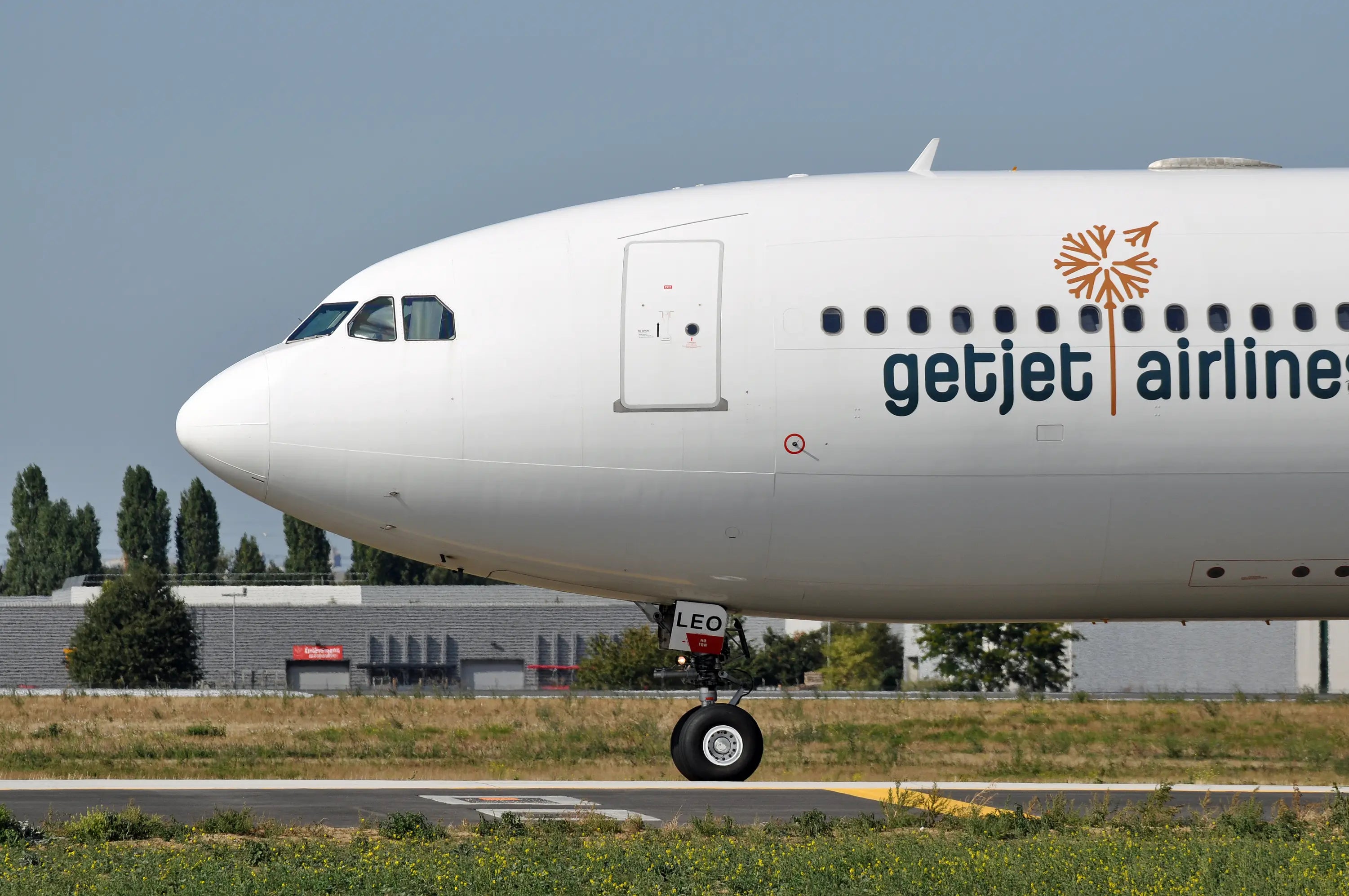
GetJet Airlines is a Lithuanian ACMI (Aircraft, Crew, Maintenance, Insurance) and charter operator founded in 2014 by aviation entrepreneur Aleksandr (Alex) Celiadin. Headquartered in Vilnius, Lithuania, the airline received its Air Operator Certificate (AOC) from the Lithuanian Civil Aviation Authority and launched commercial operations on 25 May 2016. Since then, GetJet has grown into one of Europe's most profitable ACMI specialists, operating a fleet of narrowbody aircraft on behalf of major international carriers across more than 50 countries and 170 airports.
Unlike traditional scheduled airlines, GetJet does not sell tickets under its own brand. Instead, it provides fully crewed aircraft to other airlines on a wet-lease basis, handling everything from crew scheduling to maintenance and insurance. This ACMI model has proven remarkably lucrative: in 2023, GetJet reported an EBIT margin of 15.9%, nearly four times the global airline industry average of 4.5%. In 2024, GetJet Aviation Holdings (the parent group) posted total revenues of €184.3 million and a net profit of €25.4 million, making it one of Lithuania's 25 most productive companies. The company employs approximately 900 aviation professionals across multiple jurisdictions, including Air Operator Certificates registered in Lithuania, Latvia, and Malta, with commercial offices in Cyprus and Dubai.
GetJet's client roster reads like a who's who of European aviation: Wizz Air, Finnair, Transavia, Icelandair, TUI Airways, Vueling, Air Serbia, Norwegian, and most recently Eurowings (Lufthansa Group) and Etihad Airways. The airline has also received FAA Part 129 approval through its Latvian entity, opening North American markets. Founder Alex Celiadin, who holds an FAA Commercial Pilot License himself, has described GetJet's approach as operating like a Formula 1 team rather than a freight train: fast, agile, and responsive to client needs.
Fleet Composition & Type Ratings
GetJet Airlines operates an all-narrowbody fleet composed of Airbus A320-family and Boeing 737NG aircraft. As of early 2026, the group manages approximately 17 aircraft across its Lithuanian, Latvian, and Maltese AOCs. The fleet is deliberately kept lean and standardized, allowing rapid deployment to client airlines with minimal complexity. In 2024 alone, GetJet expanded its fleet by adding three Airbus A320-200s and two Boeing 737-800s, reflecting strong demand for ACMI capacity across Europe and beyond.
| Aircraft Type | Role | In Service | Configuration / Notes |
|---|---|---|---|
| Airbus A320-200 | Narrowbody | ~10 | 180 seats, single-class economy. Core ACMI workhorse. |
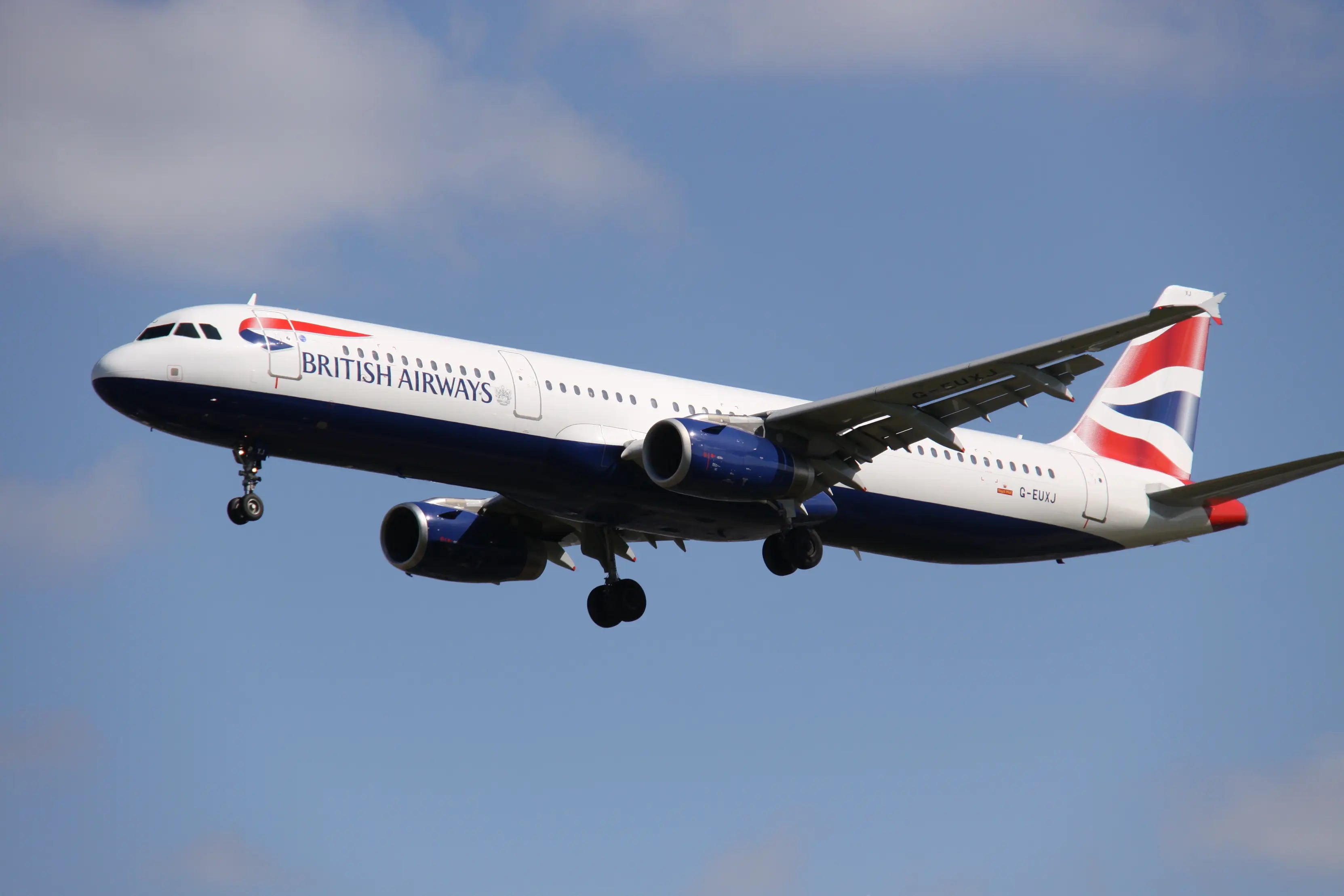
| Airbus A321-200 | Narrowbody | 1 | ~220 seats. Higher-capacity variant for peak-demand contracts. |
| Boeing 737-800 | Narrowbody | ~6 | 189 seats, single-class. Serves European and seasonal routes. |
Fleet data as of early 2026. Exact numbers fluctuate seasonally as aircraft are added or returned from lease.
The fleet is relatively young by ACMI standards and meets all EASA airworthiness requirements. GetJet holds IOSA (IATA Operational Safety Audit) certification, a mark of operational quality that many client airlines require before entering wet-lease agreements. The airline also successfully completed an FAA Part 129 evaluation for its Latvian entity, enabling passenger operations to and from the United States.
Historically, GetJet operated wide-body aircraft as well. In 2019, the airline deployed an Airbus A330-300 for transatlantic ACMI flights between Warsaw and Toronto on behalf of LOT Polish Airlines, making it the first Lithuanian carrier to operate scheduled transatlantic service. During the COVID-19 pandemic, this A330 was reconfigured for cargo operations, transporting medical supplies and the first COVID-19 vaccines to Lithuania. While no wide-body aircraft are currently in the active fleet, the airline has demonstrated the technical competence and operational readiness to operate long-haul types if market demand warrants it.
GetJet pilots typically hold either a Boeing 737NG type rating or an Airbus A320 type rating, depending on which fleet they are assigned to. The company owns and operates Airhub Aviation Training, an EASA-approved training organization (ATO) based in Vilnius. This in-house training capability allows GetJet to conduct type rating courses, recurrent training, and proficiency checks internally, which may offer advantages in scheduling and career development compared to relying on third-party ATOs. Current recruitment postings suggest that candidates with existing type ratings are preferred, though the company's training infrastructure indicates capacity to sponsor type ratings when needed.
Pilot Salary & Compensation
GetJet Airlines, like most European ACMI operators, does not publicly disclose detailed salary scales. Compensation information has been compiled from pilot job network reports, industry benchmarks, and comparative data from peer operators in the Baltic and broader European ACMI sector. Pilot pay at ACMI carriers tends to be highly seasonal, with significantly higher earnings during the busy summer period (roughly April through October) and reduced rates during winter months when ACMI demand drops.
Estimated Pay Ranges
| Role | Summer Monthly Base | Winter Monthly Base | Estimated Annual Gross |
|---|---|---|---|
| First Officer (B737 / A320) | ~€6,000 | ~€3,500 | ~€45,000 – €72,000 |
| Captain (B737 / A320) | ~€10,000 | ~€4,500 | ~€55,000 – €120,000 |
Figures are gross estimates compiled from pilot job network reports and industry sources. Actual compensation depends on contract type, seasonal utilization, and individual agreements.
These figures place GetJet in the lower-to-mid range for European pilot compensation. For context, the average pilot salary in Vilnius is approximately €76,000 per year according to 2025 industry salary surveys, with a range from €34,000 for junior First Officers to over €120,000 for experienced Captains. European ACMI operators generally pay less than legacy flag carriers or major low-cost airlines, but compensate with other advantages such as international exposure, diverse flying, and often more flexible scheduling arrangements.
A critical factor to consider is Lithuania's favorable tax environment. Lithuania applies a flat income tax rate of 20% on employment income (32% above €101,094 annually as of 2025), with social contributions of approximately 19.5% for the employee. This is significantly lower than the tax burden in Western European countries like France (up to 45%) or Germany (up to 42%), meaning that the net take-home pay at GetJet may be more competitive than gross figures suggest when compared to higher-paying airlines in high-tax jurisdictions.
Salary figures for GetJet Airlines are estimates based on limited publicly available data from pilot job networks and industry benchmarking sources. GetJet does not publish official pay scales. Actual compensation will vary based on contract terms, seasonal demand, aircraft type, base assignment, and individual negotiation. The seasonal nature of ACMI work means that annual earnings can fluctuate significantly from year to year. Candidates should verify current compensation directly during the recruitment process. Always request a detailed breakdown of base salary, per diems, bonuses, and any seasonal adjustment clauses before signing a contract.
Roster Pattern & Quality of Life
The roster experience at GetJet Airlines is fundamentally different from that of a traditional scheduled carrier. As an ACMI operator, GetJet deploys its crews wherever client airlines need them, which can mean operating from a different base or country every few weeks. This operational model creates a unique work-life dynamic: pilots gain extraordinary international exposure and route variety, but may face extended periods away from home, irregular scheduling, and the need to adapt quickly to different airline SOPs (Standard Operating Procedures) and operating environments.
GetJet operates under EASA Flight Time Limitations (FTL) as defined in Commission Regulation (EU) No 965/2012. These rules cap maximum flight duty periods at approximately 13 hours (depending on start time and number of sectors), require minimum rest periods of at least 12 hours between duties (with a minimum 8 hours of sleep opportunity), and limit annual flight time to 900 block hours. Lithuanian labor law also provides a statutory minimum of 20 working days of paid annual leave, though specific arrangements may vary by contract type.
📅 Sample Month: A320 First Officer (Summer ACMI Deployment)
The sample above represents a typical high-utilization summer month. During winter, when ACMI contracts are fewer, pilots may have considerably more days off but also reduced earnings. The exact pattern depends heavily on the client airline's schedule and operational requirements. Some deployments involve operating from a foreign base for several consecutive weeks (for example, flying out of Hamburg for Eurowings or out of Abu Dhabi for Etihad), followed by a block of days off at home.
GetJet currently offers three primary pilot bases: Vilnius (Lithuania), Helsinki (Finland), and Keflavik (Iceland). Base assignment depends on seniority and operational requirements. However, because ACMI operations frequently involve deployments away from the home base, many pilots spend significant time operating from client airline airports. GetJet typically arranges accommodation and transport for crew during away-from-base deployments. Living costs in Vilnius are among the lowest in the EU for a capital city, which combined with Lithuania's favorable tax regime can make the overall financial package more attractive than it appears on paper.
Benefits, Travel Perks & Insurance
GetJet Airlines positions itself as an employer that invests in its people beyond base salary. The company's careers page highlights three pillars of its benefits philosophy: professional development and career growth, comprehensive health and well-being programs, and financial support combined with work-life balance initiatives. While ACMI operators typically offer leaner benefits packages than major legacy carriers, GetJet's rapid growth and strong profitability have allowed it to develop a competitive offering for the sector.
Benefits at ACMI operators differ fundamentally from those at legacy carriers. There is typically no seniority-based bidding for premium layover routes, no La Premiere or Business Class staff travel on your own airline, and no decades-old collective agreement protecting every detail of your working conditions. What ACMI operators like GetJet offer instead is flexibility, international variety, and the chance to fly for multiple major airlines in a single career. The trade-off is less stability and fewer structured perks. Pilots considering GetJet should negotiate benefits carefully during the hiring process and arrange personal coverage (particularly loss-of-license insurance) where the company package has gaps.
Career Progression & Advancement
Career progression at GetJet Airlines follows a different trajectory compared to traditional scheduled carriers. In a fleet of approximately 17 aircraft, the number of Captain positions is inherently limited. However, the company's consistent growth trajectory (from a handful of aircraft in 2016 to 17 in 2026) means that new command opportunities do arise as the fleet expands and senior pilots move on. The ACMI sector in general tends to have higher pilot turnover than legacy carriers, as pilots frequently use ACMI positions as stepping stones to larger airlines, which creates regular openings.
| Career Milestone | Estimated Timeline | Notes |
|---|---|---|
| Join as First Officer (B737 or A320) | Day 1 | Most common entry point. Existing type rating strongly preferred. |
| Cross-fleet transition (B737 ↔ A320) | 1-3 years | Subject to operational need and company training capacity via Airhub ATO. |
| Captain upgrade | 3-7 years (est.) | Depends on fleet growth, seniority, and command assessment. Faster than most legacy carriers. |
| Training Captain / TRI / TRE | Variable | Available through Airhub Aviation Training. Requires separate instructor qualification. |
| Management / Check Pilot roles | 5+ years | Small company structure means direct access to leadership. Opportunities in ops, safety, training management. |
One of the advantages of working for a growing mid-size ACMI operator is the potential for faster career progression. At a major legacy carrier, the upgrade from First Officer to Captain can take 10 to 20 years. At GetJet, the combination of fleet expansion, natural attrition, and a smaller pilot workforce means that motivated pilots can realistically reach command in a shorter timeframe. The company also accepts direct-entry Captains with sufficient experience and command time on type, providing an alternative path for experienced pilots seeking a command position without starting at the bottom of a new seniority list.
GetJet's financial results tell a clear story of expansion. From a startup in 2016 to €184 million in group revenue by 2024, the growth curve has been steep. The recent long-term ACMI partnership with Eurowings (Lufthansa Group), involving six aircraft operating from Hamburg, and the winter 2025/26 contract with Etihad Airways in Abu Dhabi, signal that major carriers increasingly trust GetJet with significant operational responsibility. For pilots, this translates into fleet growth, new base opportunities, and an expanding number of command positions. The company's in-house training arm, Airhub Aviation Training, also creates career pathways into instruction and training management.
Recruitment Process & Requirements
GetJet Airlines recruits pilots on an ongoing basis through its own careers portal and through specialized aviation job platforms such as PilotsGlobal, SkyBound.Jobs, and Pilot Career Center. As of early 2026, the airline is actively hiring Boeing 737NG First Officers, with Airbus A320 positions also periodically advertised. The selection process is described as rigorous but straightforward, reflecting the operational demands of ACMI flying where pilots must adapt quickly to varied client airline environments.
Minimum Requirements
Selection Stages
Online Application
Submit your application through the GetJet careers portal or via aviation job platforms. Include your CV, license documentation, logbook summary, and Class 1 Medical Certificate. Ensure all documents are current and clearly presented.
Screening & Shortlisting
The recruitment team reviews applications against minimum qualification criteria: license validity, type rating, medical fitness, flight hours, and EU work authorization. Candidates meeting the threshold are invited to assessment.
Assessment
Selected candidates undergo a formal assessment process. While GetJet does not publicly disclose the exact format, ACMI operator assessments typically include a technical interview, a simulator evaluation (on the relevant type), and a CRM/personality assessment. Expect questions on aircraft systems, operational procedures, and scenario-based decision-making.
Background Verification & Offer
Successful candidates must provide a clear criminal record and verified license documentation with an unblemished incident and accident history. Upon satisfactory verification, a formal employment offer is extended with contract details, base assignment, and start date.
GetJet does not require Lithuanian or any other specific language besides English, which sets it apart from many national carriers. The airline values adaptability and professionalism above all, given that pilots will operate on behalf of different client airlines with varying SOPs and cultural expectations. Candidates with multi-type experience, previous ACMI background, or a strong record of operating in diverse environments will have a competitive advantage. While the company's Airhub Aviation Training arm has the capability to provide type ratings, current recruitment postings strongly suggest that holding an existing type rating on the B737NG or A320 is the expected standard for new hires.
How GetJet Compares: Airline Radar Chart
How does GetJet Airlines stack up against its two closest competitors in the Baltic/European ACMI space: Avion Express (Lithuania, part of Avia Solutions Group, fleet of 55 A320-family aircraft) and SmartLynx Airlines (Latvia/Estonia, formerly ~67 aircraft, now restructuring after Latvian operations ceased in 2025)? Below is a comparative analysis across five core metrics relevant to pilot career decisions.
Key Takeaways from the Comparison
GetJet leads on job security and financial stability. With an EBIT margin of 15.9% and €25.4 million in net profit (2024), GetJet is the most financially robust of the three. SmartLynx's Latvian operations ceased entirely in late 2025 due to insurmountable financial difficulties, and while its Estonian and Maltese entities continue under Avia Solutions Group restructuring, the brand's stability has been severely damaged. Avion Express, also part of Avia Solutions Group, is a much larger operation (55 aircraft) but operates within a corporate group that has seen significant turbulence.
Avion Express offers the widest route and base variety. With approximately 250 pilot positions advertised and bases spanning Turkey, Germany, the Dominican Republic, the UK, Saudi Arabia, Spain, and the Baltic states, Avion Express provides unmatched geographic diversity. GetJet's three-base structure (Vilnius, Helsinki, Keflavik) is more limited, though expanding through client deployments to locations like Hamburg and Abu Dhabi.
Salaries are broadly comparable across all three. None of these ACMI operators compete with Western European legacy carriers on raw salary. Pay at all three is influenced by the same market dynamics: seasonal ACMI demand, Baltic cost structures, and competition for qualified pilots. GetJet's smaller size may allow more individual negotiation flexibility, while Avion Express's scale provides more structured (but potentially less flexible) compensation packages.
Fleet modernization favors Avion Express and GetJet. Both operate current-generation narrowbodies (A320ceo and B737-800). SmartLynx had begun introducing A321 freighters and 737 MAX aircraft before its financial troubles, creating uncertainty around its fleet strategy. GetJet's lean fleet of 17 aircraft is easier to maintain and standardize than Avion Express's 55-aircraft operation, which may translate to fewer maintenance-related disruptions for crew.
Radar scores are editorial estimates based on publicly available financial data, pilot job network reports, airline press releases, industry salary surveys, and fleet tracking databases. They represent a general assessment for an experienced pilot evaluating these three operators for long-term employment. Individual experiences will vary based on contract type, base assignment, and seasonal factors. SmartLynx scores reflect the instability caused by its 2025 Latvian operations cessation.
Verdict: Who Is GetJet Airlines For?
🎯 Our Take
GetJet Airlines is one of Europe's most financially stable ACMI operators, offering pilots the chance to fly modern narrowbody aircraft on behalf of major international carriers across 50+ countries. The company's exceptional profitability (nearly 4x the industry average), consistent fleet growth from startup to 17 aircraft in a decade, and prestigious client roster (Eurowings, Etihad, Finnair, Wizz Air) signal a well-managed operation with strong long-term prospects.
The trade-offs are typical of the ACMI sector: seasonal pay fluctuations with significantly lower winter earnings, limited publicly disclosed benefits compared to legacy carriers, variable roster patterns driven by client contracts rather than pilot preference, and the inherent instability of operating wherever and whenever client airlines need you. Salary levels, while competitive for the Baltic region and enhanced by Lithuania's favorable tax environment, fall below what pilots could earn at major Western European carriers.
For pilots who value international exposure, operational variety, faster career progression, and the entrepreneurial energy of a rapidly growing company over the structured stability of a legacy carrier, GetJet represents a compelling option. It is particularly well-suited as a career-building step for pilots looking to accumulate diverse experience before moving to a larger operation, or for experienced aviators who thrive in the dynamic, adaptable environment that ACMI flying demands.
1 Do I need a type rating before applying to GetJet?
Current recruitment postings strongly prefer candidates with existing Boeing 737NG or Airbus A320 type ratings. GetJet owns Airhub Aviation Training (an EASA-approved ATO) which has the capability to provide type rating training, but it is not clear whether the company routinely sponsors type ratings for new hires. Candidates without a type rating should inquire directly during the application process, as policies may vary based on operational needs and candidate qualifications.
2 What languages do I need to speak?
English is the only language requirement, with a minimum ICAO Level 4 (operational) proficiency. Unlike national carriers such as Air France or Lufthansa, GetJet does not require proficiency in Lithuanian or any other specific language. This makes the airline accessible to a wide pool of international pilots holding EU work authorization.
3 Can non-EU citizens apply?
Applicants must have the legal right to live and work in the European Union. This typically means EU/EEA/Swiss citizenship or a valid EU work permit. Non-EU citizens with an existing EU residence permit may be eligible. GetJet does not appear to sponsor work visas for non-EU pilots.
4 How does pay compare to legacy carriers?
GetJet pilot salaries are lower in gross terms than those at major Western European carriers like Air France, Lufthansa, or British Airways. However, Lithuania's lower tax burden (20% flat income tax vs. 42-45% marginal rates in France or Germany) and significantly lower cost of living partially close the gap in real purchasing power. A GetJet Captain earning €80,000-€120,000 gross in Vilnius may have comparable disposable income to a pilot earning €140,000-€160,000 in Paris, depending on personal circumstances.
5 Is ACMI flying safe and well-regulated?
Absolutely. GetJet Airlines holds EASA-compliant Air Operator Certificates in three EU member states (Lithuania, Latvia, Malta), has passed the IATA Operational Safety Audit (IOSA), and received FAA Part 129 approval. All operations are conducted under the same EASA safety regulations and Flight Time Limitations that govern every commercial airline in Europe. The ACMI business model does not compromise safety standards. Client airlines conduct their own due diligence before entering wet-lease agreements, adding an extra layer of operational oversight.
6 How long does it take to upgrade to Captain at GetJet?
There is no publicly disclosed upgrade timeline. However, based on the company's fleet size (~17 aircraft), growth rate, and the typical dynamics of mid-size ACMI operators, a realistic estimate is 3-7 years from joining as a First Officer. This is significantly faster than the 10-20 year timelines common at major legacy carriers. GetJet also accepts direct-entry Captains with sufficient command experience on type.
7 What is it like operating for different client airlines?
ACMI pilots must be highly adaptable. When GetJet deploys aircraft for Eurowings, Etihad, or Icelandair, the crew operates under the client airline's flight number and often follows elements of the client's SOPs alongside GetJet's own procedures. This means you might fly under a Lufthansa Group code one month and an Etihad code the next. The variety is one of the main attractions of ACMI flying, but it requires pilots who are comfortable with frequent change and can quickly absorb new operating environments.
8 Does GetJet have union representation?
There is no publicly available information about union representation at GetJet Airlines. Many smaller ACMI operators in the Baltic states do not have formal pilot union structures, unlike the established union frameworks at major carriers (such as SNPL at Air France or Vereinigung Cockpit at Lufthansa). Pilots at GetJet likely negotiate employment terms individually. The Lithuanian Transport Competence Agency (TKA) oversees aviation labor regulations at the national level.
Official Links & Resources
Before applying or making any career decisions, always verify information directly with official sources. Below are the key websites and organizations relevant to a pilot career at GetJet Airlines:
Set up job alerts on PilotsGlobal and SkyBound.Jobs to be notified immediately when GetJet opens new pilot positions. ACMI operators often hire in waves aligned with upcoming seasonal contracts, so timing your application to coincide with spring (pre-summer season) or early autumn (pre-winter contracts) can increase your chances of a swift response.