EgyptAir Overview & Company Profile
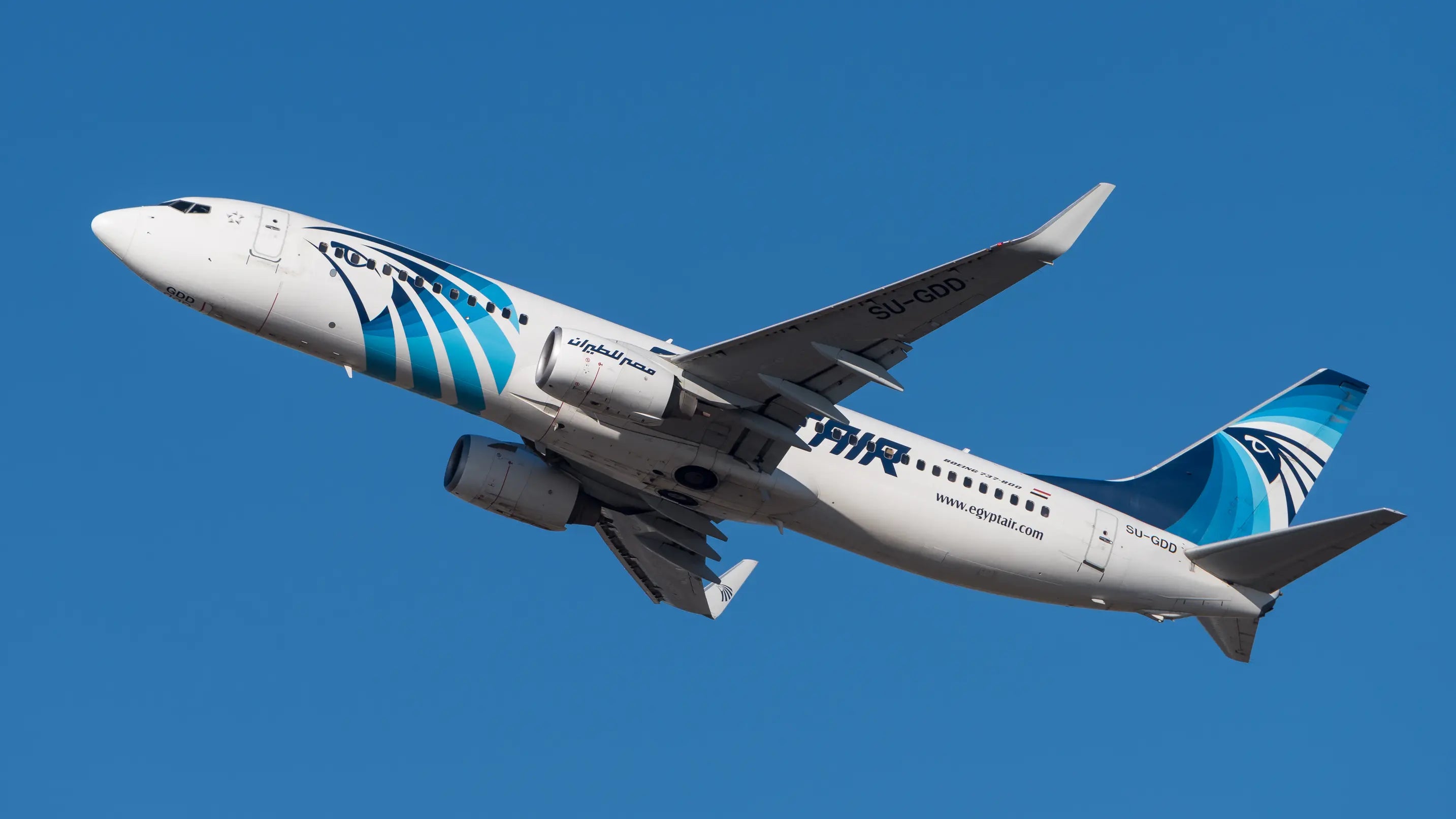
EgyptAir is the flag carrier of Egypt and the largest airline in North Africa. Founded on 7 May 1932 as Misr Airwork, it holds the distinction of being the seventh airline established worldwide and the first in the entire Middle East and North Africa region. Headquartered at Cairo International Airport (CAI), the airline operates as a wholly owned subsidiary of the state holding company EgyptAir Holding, which in turn sits under the Egyptian Ministry of Civil Aviation.
EgyptAir became a full member of Star Alliance in July 2008, giving its pilots access to the global network benefits that come with the world's largest airline alliance. With approximately 800 pilots on its roster and a route network reaching more than 75 destinations in over 50 countries across Africa, Europe, Asia, and North America, EgyptAir operates a mixed short and long haul schedule out of Cairo, with secondary operations at Sharm el Sheikh, Hurghada, Luxor, and Alexandria.
The group structure is worth understanding as an applicant. EgyptAir Holding oversees eight operating subsidiaries, including the mainline carrier (EgyptAir Airlines), the regional feeder EgyptAir Express, the leisure carrier EgyptAir (Air Cairo is a separate entity), EgyptAir Cargo, EgyptAir Maintenance & Engineering, and the EgyptAir Training Academy, which doubles as the internal training provider and the main feeder school for cadet pilots.
Fiscal year 2022 to 2023 revenue for the group reached approximately 70 billion EGP, according to EgyptAir's most recent public annual report. The airline is currently executing a major fleet modernisation programme, with 16 Airbus A350 900s and 18 Boeing 737 MAX 8s on order for delivery between 2026 and 2033, positioning the carrier for network expansion to North America's West Coast and a broader presence across North and East Asia.
For Egyptian pilots, EgyptAir remains the single largest aviation employer in the country and the primary pathway to long haul widebody flying without emigrating to the Gulf. As a Star Alliance flag carrier with a growing widebody fleet, it offers exposure to New York, London, Paris, Frankfurt, Toronto, Beijing, Bangkok, and (from 2026) Los Angeles, a network few regional carriers can match. The combination of state backing, Star Alliance connectivity, and a live fleet renewal programme gives the airline a stable strategic position despite well documented pay pressures.
Fleet Composition & Type Ratings
EgyptAir operates one of the most diverse mixed Airbus and Boeing fleets in North Africa. As of early 2026, the mainline fleet stands at approximately 69 aircraft, split between narrowbody short and medium haul types (Boeing 737 800, Airbus A320neo, A321neo) and widebody long haul aircraft (Airbus A330, Boeing 777 300ER, Boeing 787 9 Dreamliner, and from February 2026 the first Airbus A350 900). The airline has committed to one of the largest fleet renewals in its history, with a target of over 100 aircraft by 2030.
The first A350 900 was officially delivered by Airbus on 9 February 2026, making EgyptAir the launch operator of the type in North Africa. A further six A350s are planned for delivery in the remainder of 2026, with the full order of 16 scheduled through 2033. The airline simultaneously has 18 Boeing 737 MAX 8s on order to replace the 30 ageing 737 800s that currently anchor the short and medium haul operation.
| Aircraft Type | Role | In Service | Routes / Notes |
|---|---|---|---|
| Boeing 737-800 | Narrowbody | ~30 | Short/medium haul workhorse. Average age ~12 years. Phased replacement by 737 MAX 8 from 2027. |
| Boeing 737 MAX 8 | Narrowbody | 0 | 18 on order. First deliveries delayed; expected from 2026 to 2031. |
| Airbus A320neo | Narrowbody | ~8 | 16J + 126Y. Short and medium haul across MENA, Gulf, and Europe. |
| Airbus A321neo | Narrowbody | ~7 | 16J + 166Y. Higher capacity European and Gulf routes. |
| Airbus A330-200 | Widebody | ~5 | 24J + 244Y. Two units earmarked for freighter conversion. Phase out by 2028. |
| Airbus A330-300 | Widebody | ~4 | 36J + 265Y. Medium to long haul. Phase out by 2028 in favour of A350. |
| Airbus A350-900 | Widebody | 1 (Feb 2026) | 16 on order through 2033. Launches US West Coast, long thin Asia routes. |
| Boeing 777-300ER | Widebody | ~5 | Long haul flagship until A350 takeover. 49J + 297Y. New York JFK, London, Bangkok. |
| Boeing 787-9 Dreamliner | Widebody | ~8 | 30J + 279Y. London Heathrow, Washington, select JFK rotations, medium long haul. |
| Embraer E170 | Regional | via Express | Operated by subsidiary EgyptAir Express on thinner domestic and short haul routes. |
Fleet data as of early 2026. Exact quantities shift regularly as the airline takes deliveries and retires older aircraft. Seat configurations taken from the EgyptAir fleet page.
EgyptAir covers the cost of type rating for pilots it recruits, either through the cadet pathway or as direct First Officers. Initial type rating is typically on the Boeing 737 800 or Airbus A320 family, conducted at the EgyptAir Training Academy using its JAR STD 1A approved full flight simulators. Widebody transitions to the A330, 777, 787, and eventually the A350 are based on seniority, availability of training slots, and command requirements. EgyptAir does not currently allow pilots to request a specific fleet; assignments follow operational need.
The Boeing 777 300ERs and A330s have an average age of 15 to 18 years respectively and are being retired progressively through 2028. Pilots currently on these fleets should expect transition training to either the 787 or the incoming A350 within the next three to five years. This creates short term training throughput pressure at the EgyptAir Training Academy but should widen upgrade slots on long haul aircraft once the A350 fleet reaches critical mass.
Pilot Salary & Compensation Breakdown
EgyptAir pilot compensation is structured in two components: a USD denominated base salary paid in foreign currency, and an EGP denominated supplement that covers local allowances and is subject to Egyptian income tax. This dual structure is deliberate, designed to protect pilots' purchasing power against persistent Egyptian pound devaluation, a major driver of pilot attrition to Gulf carriers over the past decade.
According to public pay data aggregators such as Pilot Jobs Network and reporting from Egyptian media, pay was meaningfully increased in 2024 after an informal "go slow" protest by EgyptAir captains frustrated with real wage erosion. The exact quantum of that increase varies by source, with multiple outlets reporting a cumulative rise of roughly 40 percent phased over two years, implemented on top of earlier 2015 and 2021 adjustments.
First Officer (FO) Pay Scale
| Seniority | USD Monthly Base | EGP Supplement (post tax) | Per Sector Per Diem |
|---|---|---|---|
| Junior FO (Year 1 to 3) | ~USD 4,500 | ~EGP 4,500 | USD 40 |
| Mid FO (Year 4 to 7) | ~USD 5,000 | ~EGP 4,500 | USD 40 |
| Senior FO (8+ years) | ~USD 5,500 | ~EGP 4,500+ | USD 40 |
Figures compiled from Pilot Jobs Network and Egyptian media reports. Actual packages vary with aircraft type, sector length, and seniority. Widebody FO pay is typically at the higher end of the range.
Captain (Commander) Pay Scale
| Seniority | USD Monthly Base | EGP Supplement (post tax) | Per Sector Per Diem |
|---|---|---|---|
| Narrowbody Captain (new) | ~USD 7,500 | ~EGP 12,000 | USD 80 |
| Widebody Captain (mid seniority) | ~USD 8,500 to 10,000 | ~EGP 12,000+ | USD 80 |
| Senior Widebody Captain | ~USD 10,000+ | ~EGP 12,000+ | USD 80 |
Reported Captain packages range from around USD 5,000 to USD 11,000 monthly depending on seniority and type, with reports from Egypt Independent citing senior command pay in the upper range. Bonuses, flight pay, and overtime layer on top.
The figures above are compiled from public sources, pilot community reports, and regional media; EgyptAir does not publish its pay scales. Real world compensation depends on the latest collective agreement with the Egyptian Pilots Association, individual seniority, aircraft type, and hours flown. A recurring theme in reporting from 2015, 2016, 2021, and 2024 is that EgyptAir pay has historically trailed international comparators, which association leadership has put at roughly 40 percent of what peers at private Egyptian carriers and Gulf airlines earn. For an up to date picture, applicants should cross reference the latest EgyptAir recruitment announcement and Pilot Jobs Network profile.
Because a significant portion of pilot pay is contractually set in US dollars, EgyptAir pilots have been partially insulated from the sharp Egyptian pound devaluations of 2016, 2022, and 2024. This dollarised component is one reason the job retains its appeal relative to purely EGP denominated employers, and it is a structural feature that successive management teams have committed to preserving through each wave of currency stress.
Roster Pattern & Quality of Life
EgyptAir rostering is governed by a combination of Egyptian Civil Aviation Authority (ECAA) Flight Time Limitation (FTL) rules, ICAO Annex 6 standards, and the internal company collective framework negotiated with the Egyptian Pilots Association. The airline operates a broadly cyclical rostering pattern, with pilots receiving monthly rosters built around a mix of flying duties, standby, days off, and recurrent training.
Public reporting and pilot community data indicate a typical roster cycle centred on a 15 day pattern on the narrowbody operation, with annual leave of up to 45 days for senior pilots. Long haul widebody crews work fewer sectors per month but spend more time away from base on layovers, with rotations of two to four days at destination before returning to Cairo.
📅 Sample Month: Narrowbody First Officer (Cairo)
A typical long haul rotation might involve a Cairo to New York JFK or Cairo to Bangkok pairing, covering roughly 48 to 72 hours away from base with a layover at destination before the return. Augmented crews (three pilots) are standard for sectors exceeding 10 hours, and four pilot crews are used for ultra long haul pairings that will expand with A350 operations to Los Angeles from 2026.
All EgyptAir pilots are based at Cairo International Airport. There is no base bidding, no secondary base, and no overseas commuting contract option. This has implications worth thinking through: Cairo offers relatively low cost of living, a large existing aviation community, excellent schools, and strong domestic healthcare, but pilots cannot relocate to another Egyptian city and commute to the line. Periodic standby duties require being able to report to CAI within a defined response window, typically two hours.
Unlike European legacy carriers, EgyptAir does not publish its FTL scheme, standby rules, or monthly block hour caps externally. The figures shown above are estimates aligned with regional averages and public pilot community reports. For confirmed rules, verify with the EgyptAir recruitment contract and the Egyptian Pilots Association.
Benefits, Travel Perks & Retirement
The EgyptAir benefits package reflects its status as a state owned Star Alliance flag carrier. The core elements combine the statutory rights granted to all Egyptian employees under the Labour Code, supplementary benefits specific to aircrew, and the global travel privileges that come with Star Alliance membership. While individual line items are less generous than at Gulf carriers, the package is stable, state backed, and tax efficient for the USD denominated component.
Being a Star Alliance carrier meaningfully changes the lifestyle value of working for EgyptAir. Pilots and eligible family members can book discounted ID90 type tickets across Star Alliance, access partner lounges during personal travel, and accrue miles on flights operated by other members. The alliance network of 1,200+ daily departures across 190+ countries means most major destinations are reachable on a staff ticket, which partially offsets the lower cash salary relative to Gulf competitors.
EgyptAir does not publish a detailed external benefits schedule for pilots. The items above combine publicly available information from the airline, industry standard practices for state owned flag carriers, and data from pilot community sources. Specific entitlement levels (notably pension accrual rates and loss of licence caps) are set in the current collective agreement and should be verified through the Egyptian Pilots Association before making a career decision.
Career Progression & Seniority
Career progression at EgyptAir is strictly seniority based, combined with type rating availability and performance assessments. The airline does not typically accept direct entry Captains from outside: all Captain upgrades come from within, through the internal command course and simulator assessment. This creates a long term but predictable career path for pilots willing to commit.
A typical trajectory starts with cadet training at the EgyptAir Training Academy, followed by initial line operations as a First Officer on the 737 800 or A320 family. Widebody transition (to A330, 777, 787, or A350) is seniority driven and usually happens in the 6 to 10 year window. Command upgrade has historically taken between 10 and 15 years depending on retirement patterns, growth, and individual type assignment.
| Career Milestone | Typical Timeline | Notes |
|---|---|---|
| Cadet training (EgyptAir Training Academy) | ~24 months | Ab initio to frozen ATPL. Egyptian CPL/IR issued by ECAA. |
| Join as First Officer (737-800 or A320) | Day 1 post type rating | Initial line training, supervised line flying, release to line. |
| Widebody FO transition | 6 to 10 years | A330, 787, 777, or A350. Seniority and type slot availability driven. |
| Captain upgrade (narrowbody) | ~10 to 15 years | Command course, simulator check, line training. Variable with retirements. |
| Captain on widebody | 15 to 20+ years | Top of seniority list. A330, 777, 787, or A350 command. |
| Training Captain / TRI / TRE | Variable | Separate selection, instructor course at EgyptAir Training Academy. |
EgyptAir is in a recruitment and training up cycle. The combination of the 2024 pay adjustment, the A350 delivery stream starting February 2026, and the planned expansion to around 85 destinations by 2026 points to increased hiring across the next five years. The phase out of A330 and 777 300ER fleets between 2026 and 2028 will create a wave of type transition training, potentially accelerating widebody access for mid seniority pilots. Announcements in Egyptian media during 2024 and 2025 confirmed an active recruitment drive, both for cadets and for experienced First Officers.
Pilot attrition to Gulf carriers (Emirates, Qatar Airways, Etihad, flydubai) and to private Egyptian operators such as Air Cairo has been a persistent feature of the EgyptAir career landscape. The Egyptian Pilots Association has cited pay differentials of up to 40 to 60 percent as the main driver, notably during the disputes of 2015, 2016, and 2021. This can work in a new pilot's favour, creating faster than expected upgrade opportunities, but it also means the seniority list is more fluid than at carriers with stronger pilot retention.
Recruitment Process & Requirements
EgyptAir recruits pilots through two primary pathways: the Cadet Programme, delivered through the EgyptAir Training Academy and partner Egyptian flight schools, and the Experienced First Officer stream for pilots who already hold an Egyptian CPL/IR with a frozen ATPL. Both pathways feed into the same seniority list. Direct entry Captain hiring from foreign carriers is rare and generally only considered in very specific circumstances.
Cadet Programme Requirements
Experienced First Officer Requirements
Selection Stages
Application & Screening
Online application through the EgyptAir careers portal or partner academy. Document verification: licence (where applicable), logbook, academic transcripts, medical certificate, military service documents, and clean police record. Initial screening against the advertised intake profile.
Written Examinations
Computer based tests covering mathematics, physics, aviation fundamentals, and general IQ. For experienced candidates, ATPL theoretical knowledge refresh is assessed. Separate English proficiency testing (Jeppesen or equivalent) is conducted. Candidates must pass each module to progress.
ICAO English & Language Screening
Formal ICAO English assessment against FCL.055 Level 4 minimum, with strong preference for Level 5 or Level 6. Arabic fluency is verified through the interview. The EgyptAir Training Academy offers preparation courses for candidates who need to upgrade their ICAO English before reapplying.
Simulator Assessment
Fixed base or full flight simulator assessment, typically on an A320 or 737 NG platform at the EgyptAir Training Academy, Cairo. Evaluates basic handling, scan discipline, instrument flying, cross cockpit cooperation, and capacity under workload. Experienced pilots are held to a meaningfully higher standard than cadets at this stage.
Technical & HR Interviews
Panel interview covering technical knowledge, CRM understanding, motivation, and cultural fit. For experienced pilots, recent flying experience, incident history, and any previous airline exposure are probed in detail. Psychometric profiling may be included.
Final Medical & Contract
Successful candidates complete the final ECAA Class 1 Medical and receive a contract offer. Cadets sign up for the full ab initio programme (typically bonded); experienced pilots proceed directly to type rating training on the assigned fleet (usually B737 800 or A320). A post training service bond is standard.
Egyptian nationality is a hard requirement, not a preference. Within the eligible applicant pool, the most common reasons for rejection are insufficient ICAO English (below Level 4), failing the simulator assessment, or an incomplete military service record. Candidates applying through the EgyptAir Training Academy cadet route should treat the academy's own preparation programme as the fastest and most reliable pathway, since curriculum alignment and ECAA licensing are built into the training. Candidates coming from outside Egypt (for example, FAA or EASA licence holders of Egyptian nationality) should plan for the licence conversion process with ECAA before applying, as this can add several months to the timeline.
Top 5 Layover Destinations
Long haul layovers are one of the defining lifestyle perks of the EgyptAir roster. As a Star Alliance flag carrier, EgyptAir operates scheduled long haul flights across Europe, North America, East Asia, and sub Saharan Africa out of Cairo. Layovers typically run 24 to 72 hours depending on the rotation and augmentation requirements. Crew hotels are contracted by the airline and are usually four star properties in or near the city centre of each layover city.
All crew hotels are contracted by EgyptAir; pilots cannot choose their own accommodation. Airport transfer is arranged at both ends. Under ECAA FTL rules (aligned with ICAO Annex 6), pilots must have a minimum rest period at destination before the next duty, with a floor on uninterrupted sleep opportunity. Long haul sectors over 10 hours require augmented crews (three pilots, with in flight rest facilities on the 777, 787, and A350). Per diems are paid in USD, which preserves their purchasing power regardless of the destination currency.
EgyptAir's long haul network is actively expanding. The airline confirmed plans to launch nonstop Cairo to Los Angeles and Cairo to Chicago routes using the new A350 900 fleet from 2026, reshaping the long haul bid landscape. Existing widebody destinations include Washington Dulles, Frankfurt, Bangkok, Guangzhou, Seoul, and several African capitals. Crews entering the airline today should expect a broader and more geographically diverse layover pattern by 2028 than anything currently published.
How EgyptAir Compares: Airline Radar Chart
How does EgyptAir compare against its regional peers? Below is a comparative analysis against two similarly positioned Middle East and North Africa flag carriers: Saudia (Saudi Arabian Airlines) and Royal Jordanian. Scores are editorial estimates based on publicly available data, pilot community feedback, and industry benchmarks across the six scorecard metrics.
Key Takeaways from the Comparison
Saudia leads on salary. Reported Captain base pay at Saudia ranges from roughly SAR 45,000 to SAR 80,000 monthly (approximately USD 12,000 to USD 21,500), compared with EgyptAir Captains at around USD 7,500 base plus EGP 12,000 local supplement. Royal Jordanian sits closer to EgyptAir in cash terms, with Captain base packages in the USD 8,500 range. For a pilot optimising pure gross pay, Saudia wins clearly.
EgyptAir has the biggest and most diverse widebody fleet of the three. The combination of A330, 777 300ER, 787 9, and the incoming A350 900 delivers more varied long haul exposure than Royal Jordanian (whose widebody fleet is smaller, anchored on A330 and A320 family narrowbodies) or Saudia in proportional terms. Saudia's absolute fleet size is larger (~150 aircraft), but EgyptAir's fleet renewal rate is currently among the most aggressive in MENA.
Quality of life is broadly similar across the three. All three operate single hub models (Cairo, Jeddah/Riyadh, Amman) with no base bidding, comparable annual leave in the 30 to 45 day range, and regional FTL regimes broadly aligned with ICAO. Saudia offers the most structured benefits package (including housing and education allowances for expatriates and Saudis alike), while EgyptAir's ID90 benefits reach more destinations thanks to Star Alliance.
Career progression is slower at EgyptAir. Reported upgrade timelines at Saudia and Royal Jordanian have historically been faster when growth has been steady, at roughly 8 to 12 years to command, compared with EgyptAir's 10 to 15 year range. However, the A350 deliveries and ongoing retirements at EgyptAir may narrow that gap in the late 2020s.
Job security scoring narrowly favours Saudia and EgyptAir over Royal Jordanian. Both are large, sovereign backed flag carriers with strategic importance to their respective states. Royal Jordanian, while state owned, has historically faced a tighter financial profile as a smaller carrier in a competitive market.
Scores are editorial estimates based on our research into publicly available salary data, pilot testimonials, union publications, airline press releases, and industry benchmarks (Pilot Jobs Network, Aviation A2Z, IFALPA). They represent a general assessment for an experienced pilot considering a long term career. Individual experiences will vary based on seniority, fleet, and personal priorities. Scores for all airlines will be updated as we publish dedicated guides for Saudia and Royal Jordanian.
Union & Industrial Relations
The Egyptian Pilots Association (نقابة الطيارين, often translated as the Egyptian Air Line Pilots Association or ECPS) is the recognised representative body for professional pilots in Egypt. It is a full member of the International Federation of Air Line Pilots' Associations (IFALPA) for the Africa and Middle East region, giving Egyptian pilots formal access to global safety, regulatory, and technical advocacy networks.
Structure & Governance
Industrial action at EgyptAir is legally constrained, as Egypt restricts strike action in strategic sectors including aviation. This forces the Association to work through collective bargaining, mass resignation threats, and "slowdown" tactics rather than formal strikes. Even so, the past decade has seen several high visibility disputes centred on pay, pound devaluation, and working hour limits.
Recent Strike History & Key Disputes
EgyptAir industrial relations follow a predictable cycle: local currency weakens, real pay erodes, pressure builds, and an adjustment follows. The 2024 to 2025 increase reset the trajectory again. Association membership is strongly encouraged for any EgyptAir pilot; in practical terms, the Association is the only organised body with leverage to negotiate pay, per diem structure, and FTL rules on behalf of pilots. For a new hire, the recent pay raise is a positive signal, but the structural risk (EGP volatility, state pay ceiling frameworks) remains a factor to watch across a long career.
Verdict: Who Is EgyptAir For?
🎯 Our Take
EgyptAir offers Egyptian pilots a rare combination: a Star Alliance flag carrier with a diverse Airbus and Boeing widebody fleet, a fully funded cadet pathway through the EgyptAir Training Academy, layovers across four continents, and a dollar denominated base salary structure that partially insulates pilots from the Egyptian pound's well documented volatility. For someone starting a career, the ab initio route is one of the most straightforward pathways to a long haul widebody Captain's seat available in North Africa.
The trade offs are real and well documented. Gross pay sits meaningfully below Gulf carriers and even below some private Egyptian operators. Upgrade to Captain has historically taken 10 to 15 years. The carrier is Cairo based with no alternative bases. State ownership delivers stability but also means pay negotiations run through a political framework, which has produced recurring disputes since 2015. Applicants also need to be Egyptian nationals with completed military service requirements.
For Egyptian nationals with a long term horizon who want national flag carrier prestige, broad fleet exposure (including the brand new A350 900), and a Star Alliance network of travel benefits for themselves and their families, EgyptAir remains a credible choice. For pilots optimising for maximum gross pay or the fastest command upgrade, Gulf carriers are likely the stronger option.
1 Can foreign pilots apply to EgyptAir?
In practice, no. EgyptAir recruitment is effectively restricted to Egyptian nationals. Foreign licence holders (FAA, EASA) of Egyptian nationality must convert their licences through the Egyptian Civil Aviation Authority before applying. Non Egyptian pilots are not a normal recruitment channel and would only be considered in exceptional, specific circumstances such as short term technical support roles.
2 Does EgyptAir pay for the type rating?
Yes. EgyptAir funds initial type rating for pilots it recruits through either the cadet programme or the experienced First Officer intake. Training is delivered at the EgyptAir Training Academy in Cairo using JAR STD 1A approved simulators covering the Boeing 737 NG, Airbus A320, A330, A340, Boeing 777, and Boeing 787. A post training service bond is standard and should be reviewed in detail before signing.
3 How long does it take to upgrade to Captain at EgyptAir?
Public data and pilot community reports indicate a typical upgrade timeline of roughly 10 to 15 years, driven by seniority and type slot availability. Narrowbody Captain upgrade usually comes first, with widebody command taking longer. Upgrade pace fluctuates with retirement waves, fleet renewal, and pilot attrition to Gulf carriers. The current A350 delivery cycle and A330/777 300ER retirements are expected to add upward pressure on upgrades through the late 2020s.
4 Does EgyptAir accept direct entry Captains?
No, not as a standard pathway. EgyptAir's Captain positions are filled internally through the command upgrade process from the existing First Officer seniority list. This is consistent with most regional flag carriers and reflects the seniority driven nature of the airline's career structure.
5 What is the EgyptAir Training Academy and how does it fit into recruitment?
The EgyptAir Training Academy (ETA) is the airline's in house training arm, based in Cairo. It provides cadet pilot training, type rating courses, recurrent simulator training, and CRM/safety programmes. For recruitment, the academy is the main feeder for EgyptAir's cadet pilot intake: candidates who enter through ETA complete ab initio flight training to a frozen ATPL standard, followed directly by type rating on the airline's narrowbody fleet. Academy facilities and courses can be explored on the official training.egyptair.com portal.
6 How does EgyptAir pay compare to Gulf carriers like Emirates or Qatar Airways?
On gross pay, EgyptAir typically sits well below Gulf carriers. Emirates, Qatar Airways, and Etihad pay widebody Captains packages in the USD 15,000 to USD 25,000 monthly range, often tax free, with housing, schooling, and transport allowances. EgyptAir Captain base pay is around USD 7,500 per month plus an EGP local supplement, though the total package rises meaningfully at senior command level. The trade off for Egyptian pilots is: Gulf salaries are higher, but EgyptAir offers home country residence, family networks, Arabic language environment, state backed security, and Star Alliance travel benefits. Historically, this trade off has driven a steady stream of pilot departures to the Gulf, which the Association has repeatedly cited in pay negotiations.
7 Is there a service bond after cadet training?
Yes. Post training bonds are standard at EgyptAir and apply to both cadets and experienced First Officers who receive airline funded type rating. Reported bond lengths have historically been in the range of five to seven years, with prorated payback obligations if the pilot resigns before the bond expires. The exact terms are set in the employment contract and should be read carefully before signing, particularly if there is any chance of an international move during that window.
8 What ICAO English level does EgyptAir require?
ICAO FCL.055 Level 4 is the absolute minimum. In practice, EgyptAir prefers Level 5 candidates for the experienced First Officer stream, and Level 6 is strongly preferred for widebody long haul operations. The EgyptAir Training Academy offers English proficiency preparation courses for candidates who need to upgrade their rating before applying or being considered for widebody transitions.
9 What is the base location? Can I live outside Cairo?
All EgyptAir mainline pilots are based at Cairo International Airport. There is no alternative base and no base bidding system. Pilots must live within commuting distance of CAI in order to meet standby response windows. The cost of living in Cairo is low by international standards, which offsets the lower gross salary relative to Gulf competitors, and the city has a large existing aviation community, good schools, and established aviation medical infrastructure.
Official Links & Resources
Before applying or making a career decision, verify information directly with official sources. These are the key websites and organisations relevant to EgyptAir pilot careers:
Recruitment windows at EgyptAir are advertised periodically rather than running on a rolling basis. Bookmark the EgyptAir careers page and the EgyptAir Training Academy portal, and follow Egyptian aviation news outlets for intake announcements. When a cadet or experienced First Officer intake opens, deadlines are typically tight (a few weeks at most), so preparation work, notably ICAO English upgrade, licence document assembly, and medical renewal, should be completed in advance.