
Edelweiss Air Overview & Company Profile
Edelweiss Air is Switzerland's leading leisure airline, founded on October 19, 1995, in Bassersdorf near Zurich. Named after Switzerland's unofficial national flower, the airline has grown from a single McDonnell Douglas MD-83 into a modern operation carrying over 3 million passengers annually. Since November 2008, Edelweiss Air has been a wholly owned subsidiary of Swiss International Air Lines (SWISS), which itself is part of the Lufthansa Group, Europe's largest airline group.
Operating exclusively from Zurich Airport (ZRH), Edelweiss Air connects Swiss travelers with more than 100 holiday destinations across 38 countries. The route network spans Mediterranean beach resorts, African safari lodges, Caribbean islands, and North American leisure cities. In 2024, the airline transported 3.02 million passengers with a seat load factor of 82%, generating CHF 900 million in annual revenue. With approximately 345 pilots and 1,420 total employees, Edelweiss Air is a significant employer within Swiss aviation and offers a distinctive career path focused on leisure travel rather than the business-oriented network flying typical of mainline carriers.
Fleet Composition & Modernization
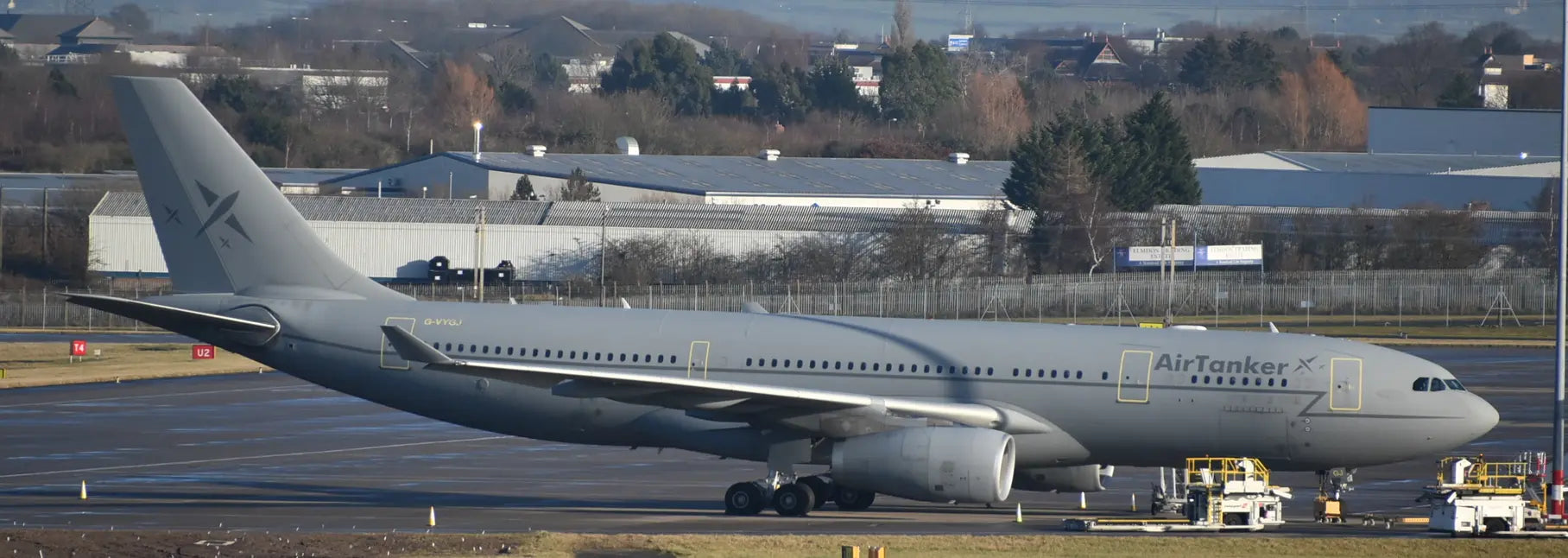
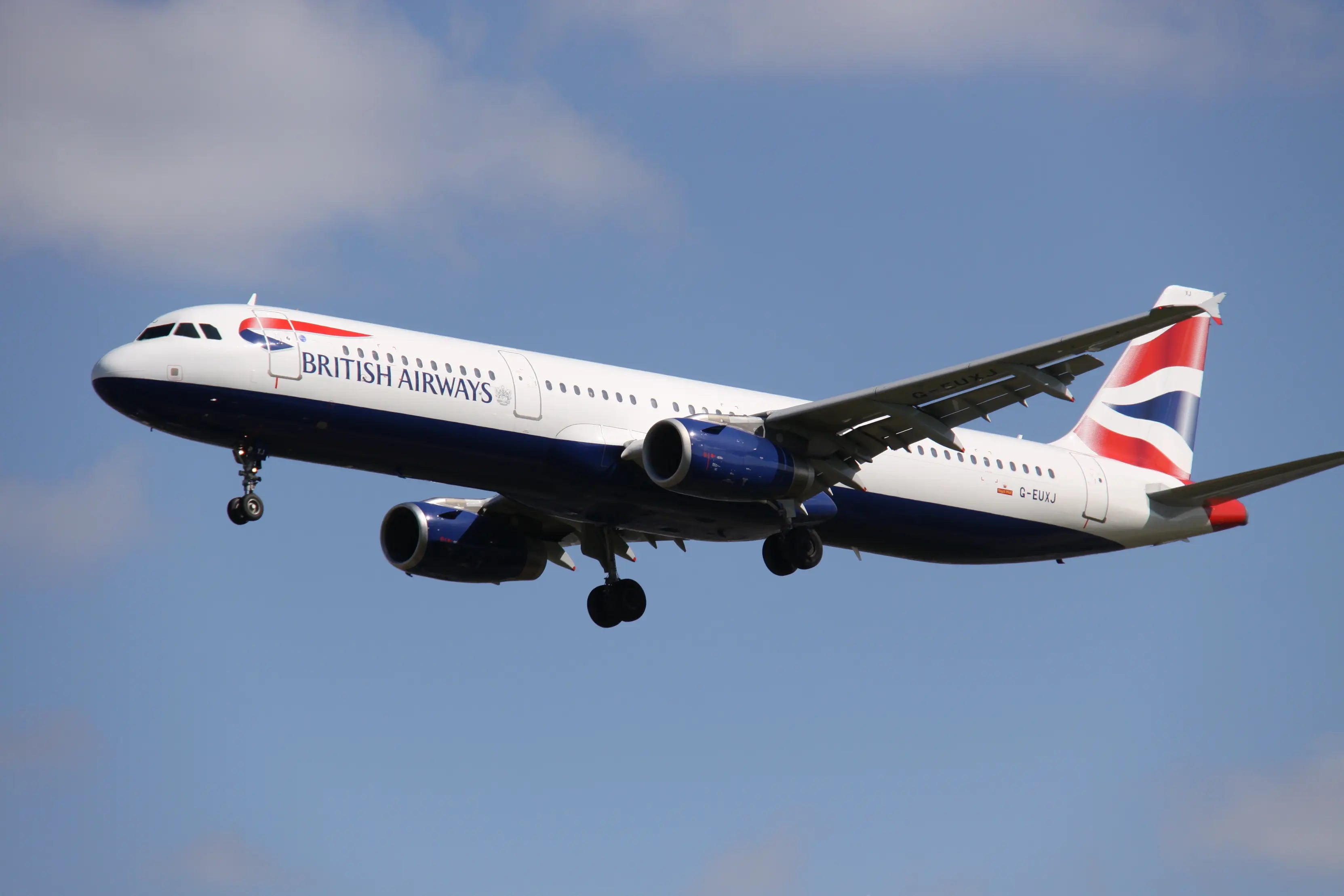
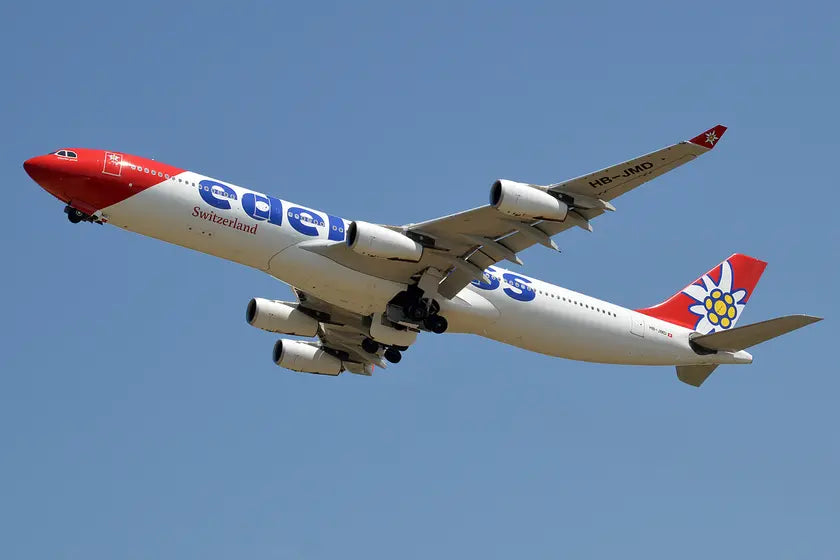
Edelweiss Air operates an all-Airbus fleet of 22 aircraft spanning both short-haul narrowbody and long-haul widebody types. The airline is currently in the middle of an ambitious fleet renewal programme that will see the retirement of its ageing A340-300 four-engine widebodies and the introduction of modern A350-900 and A320neo aircraft by 2028. Edelweiss became the first airline in Switzerland to operate the Airbus A350 when it introduced the type in March 2025, marking a significant milestone in the carrier's history.
| Aircraft Type | Role | In Service | Routes / Notes |
|---|---|---|---|
| Airbus A320-200 (ceo) | Narrowbody | ~15 | European & Mediterranean leisure routes. Oldest units (26 yrs) retiring from 2027. |
| Airbus A320neo | Narrowbody | 0 (5 ordered) | Arriving 2027-2028 from Austrian Airlines. Fleet target: 18 narrowbody by 2028. |
| Airbus A340-300 | Widebody | 3 | Long-haul (Caribbean, Africa). Being phased out, full retirement by 2027. |
| Airbus A350-900 | Widebody | 4 | Long-haul flagship. 2 more on order, total 6 by end 2026. Ex-LATAM airframes. |
Fleet data as of early 2026. Numbers are approximate and may change with ongoing deliveries and retirements.
The A350-900 represents a generational leap for Edelweiss Air. Configured with 339 seats (30 business class with lie-flat seats and 246 economy), these aircraft consume 25% less fuel and produce 50% less noise than the A340-300s they replace. The airline's A350s are sourced as pre-owned airframes from LATAM, reflecting both strong value and sustainable aviation practices through aircraft lifecycle extension. The first A350 (registration HB-IHF) entered commercial service with Zurich to Las Vegas flights in May 2025, followed by Vancouver in July 2025.
On the narrowbody side, five Airbus A320neo aircraft will join the fleet between 2027 and 2028, transferred from Austrian Airlines within the Lufthansa Group. Three of these will replace the oldest A320ceo aircraft in the fleet, while two additional units will support route network growth to new Mediterranean and European destinations. This investment positions Edelweiss Air to operate one of the youngest and most fuel-efficient leisure airline fleets in Europe.
Edelweiss Air covers the cost of type rating for pilots recruited through official channels. New First Officers are typically assigned to the A320 fleet for European operations. Transition to widebody types (A350 or A340 during the transition period) is managed through seniority-based bidding. The airline has also recruited direct entry A350 First Officers from other carriers to support the new fleet introduction.
Pilot Salary & Compensation Breakdown
Edelweiss Air pilot salaries are governed by collective labour agreements negotiated with AEROPERS, the Swiss pilot association representing both Edelweiss Air and SWISS cockpit crew. Compensation includes a monthly base salary, per-flight-hour pay, per diem layover allowances, and variable profit-sharing tied to airline results. Swiss pilot salaries rank among the highest globally, and Edelweiss Air positions itself competitively within the Swiss market, though slightly below the mainline SWISS carrier.
First Officer (F/O) Pay Scale
| Seniority | Annual Gross (est.) | Notes |
|---|---|---|
| Year 1 (entry) | ~CHF 74,000 - 85,000 | Entry-level base. Loan repayment may apply for cadet graduates. |
| Year 3-5 | ~CHF 90,000 - 105,000 | Progression through seniority steps. |
| Year 7-10 | ~CHF 105,000 - 125,000 | Approaching senior F/O level. |
| Senior F/O (10+ yrs) | ~CHF 125,000 - 160,000 | Top F/O pay reaches ~CHF 160,170 after 32 years. |
Figures are annual gross estimates based on available market data and industry sources. Actual compensation depends on the current collective labour agreement, seniority step, and flight hours logged.
Captain (CPT) Pay Scale
| Seniority | Annual Gross (est.) | Notes |
|---|---|---|
| Entry Captain (A320) | ~CHF 118,000 - 140,000 | Initial command on narrowbody fleet. |
| Captain, 5-10 yrs | ~CHF 150,000 - 175,000 | Mid-career progression. |
| Senior Captain (widebody) | ~CHF 175,000 - 200,000+ | A350 or A340 command. Top of scale ~CHF 189,000 at 28 years. |
Captain figures reflect base salary plus standard allowances. Per diems, profit sharing, and overtime can increase total annual compensation further.
Per Diem & Layover Allowances
Edelweiss Air provides layover per diem allowances of CHF 45 per day for short-haul operations and CHF 70 per day for long-haul layovers. These allowances cover meals and incidental expenses during overnight stays at destination. Given that long-haul operations to the Caribbean, Africa, and North America often involve multi-day layovers (2-5 days), per diem income can be a meaningful supplement to base salary for widebody crews.
These salary figures are estimates compiled from AircrewNetwork, PilotJobsNetwork, and ERI Economic Research Institute data. Edelweiss Air does not publicly disclose detailed pay scales, and collective labour agreement negotiations between management and AEROPERS were ongoing as of early 2026 (with the previous CLA under dispute since April 2024). Actual compensation may differ from these estimates. Swiss income tax rates vary by canton (typically 20-35% effective rate) and mandatory social contributions further reduce take-home pay. Always verify with official AEROPERS publications for the latest figures.
Roster Pattern & Quality of Life
Edelweiss Air pilots operate under EASA Flight Time Limitation (FTL) regulations as implemented by the Swiss Federal Office of Civil Aviation (FOCA). The airline guarantees a minimum of 9 days off per month (or 32 days off per rolling 3-month period). As a leisure carrier with strong seasonal demand patterns, roster intensity varies significantly between peak summer (May to September) and shoulder seasons, which can work in pilots' favour during quieter months.
📅 Sample Month: Short-Haul First Officer (ZRH, Summer Season)
Long-haul crews operating the A350 and A340 follow different patterns. A typical Caribbean or Africa rotation involves 1-2 days of positioning and flying, followed by a 2-4 day layover at destination, then the return sector and recovery days off. Augmented crews (3 pilots) are standard on ultra-long sectors such as Zurich to Las Vegas or Zurich to the Maldives. Long-haul pilots generally accumulate fewer flying days per month but benefit from extended layovers in attractive holiday destinations.
Annual Leave
Edelweiss Air offers annual leave that increases with age, reflecting Swiss employment norms and the collective agreement with AEROPERS. The leave entitlement structure is as follows: 29 days for pilots under 30, 35 days for those aged 30 to 50, and 42 days for pilots over 50. In addition, every five years of service grants an extra 14 days of bonus leave. Combined with Swiss public holidays (8-15 days depending on canton), this represents a generous time-off package by European standards.
All Edelweiss Air pilots are based at Zurich Airport. There is no alternative base. This means living in or near the Zurich metropolitan area is the most practical option, though some pilots commute from other parts of Switzerland, neighbouring Austria, or southern Germany. As a Lufthansa Group employee, Edelweiss pilots benefit from staff travel on SWISS, Lufthansa, and other group airlines, which makes commuting from more distant cities feasible. Zurich is an expensive city to live in (consistently ranked among the world's top 5 most expensive), but Swiss salaries and quality of life generally compensate. The city offers excellent public transport, international schools, and access to the Alps within an hour.
Benefits, Travel Perks & Retirement
As a Lufthansa Group subsidiary operating under Swiss employment law, Edelweiss Air provides one of the most comprehensive benefits packages in European leisure aviation. The combination of Swiss statutory protections, Lufthansa Group travel privileges, and an exceptional pilot pension contribution rate creates a total compensation package that extends well beyond base salary.
The standout benefit for Edelweiss Air cockpit crew is the 26% employer pension contribution to the occupational pension scheme (BVG/Pillar 2). This is the highest employer pension contribution rate offered to any employee group at Edelweiss Air and is exceptional even by Swiss standards. Over a 30-year career, this accumulates substantial retirement capital. Combined with the mandatory AHV state pension (Pillar 1) and optional tax-advantaged private savings (Pillar 3a), Edelweiss Air pilots can build a robust retirement foundation that few European airlines can match.
Career Progression & Seniority
Career progression at Edelweiss Air follows a seniority-based system where advancement through ranks depends on accumulated flight hours at the airline and position on the seniority list. The four main career stages are First Officer, Senior First Officer (after approximately 150 airline hours), Captain (after 400-500 hours), and Senior Captain (after 750+ hours). Seniority determines schedule quality, fleet assignment preferences, and upgrade candidacy.
Unlike SWISS, which operates a larger and more complex fleet, Edelweiss Air's smaller size means the pilot community is relatively tight-knit. The ongoing fleet expansion (A350 introduction, A320neo orders, new destinations) is creating favourable upgrade dynamics, potentially accelerating captain progression compared to more stagnant periods.
| Career Milestone | Typical Timeline | Notes |
|---|---|---|
| Ab initio training (EFA cadet) | ~24 months | European Flight Academy. CHF 80,000 loan from Edelweiss (Swiss citizens: zero personal contribution). |
| Join as First Officer (A320) | Day 1 post-training | Most common entry fleet. Type rating funded by airline. |
| Senior First Officer | ~150 airline hours | Enhanced pay step. Improved schedule bidding. |
| Captain upgrade (A320) | 400-500+ airline hours | Competitive selection: interview + sim check. Seniority weighted. |
| Widebody transition (A350) | Seniority-dependent | Fleet expansion creating new A350 positions. |
| Senior Captain | 750+ airline hours | Top of seniority. Best schedule and fleet bidding priority. |
Edelweiss Air has also recruited direct entry First Officers and even direct entry Captains for specific fleet types. In early 2025, the airline advertised A340 Captain positions requiring 5,000+ total flight hours, 1,500+ hours of Airbus command experience, and an EASA ATPL with A320 or A340 type rating. A350 direct entry First Officer positions were also advertised to support the new fleet introduction. These direct entry paths typically require existing type ratings and do not come with the same seniority standing as internally progressed pilots.
Edelweiss Air's fleet is expanding across both narrowbody and widebody segments. The introduction of six A350-900s, five A320neos, and an expanding route network to new destinations (Namibia, Kefalonia, Glasgow in 2026) is creating significant demand for both new pilots and internal promotions. The most senior first officers currently have approximately a 95% probability of upgrade approval, while mid-seniority pilots stand at roughly 55-60%. For pilots joining today, the combination of fleet growth, retirement waves, and new routes suggests a potentially favourable upgrade timeline compared to larger, more static carriers.
Recruitment Process & Requirements
Edelweiss Air recruits pilots through two primary pathways: the Ab Initio Cadet Programme (via European Flight Academy) for candidates with little or no flying experience, and the Direct Entry stream for experienced type-rated pilots. Both paths ultimately lead to the same seniority list. In March 2025, Edelweiss Air made headlines by announcing it would cover CHF 80,000 of training costs for Swiss national cadets, effectively removing all financial barriers to pilot training for Swiss citizens.
Ab Initio (Cadet) Requirements
Direct Entry (Experienced Pilot) Requirements
Selection Stages
Online Application & DLR/SPHAIR Screening
Candidates apply through the European Flight Academy portal. Prerequisite: valid DLR assessment certificate (conducted in Hamburg or Zurich) or SPHAIR screening (for Swiss residents aged 17-23). These aptitude tests evaluate spatial reasoning, multitasking, psychomotor coordination, and aviation psychology.
Lufthansa Group Assessment
Successful applicants attend a Lufthansa Group assessment day (Hamburg or Zurich). This includes psychotechnical testing, group exercises, and an individual interview assessing CRM potential, motivation, and cultural fit within the Edelweiss Air / Lufthansa Group environment.
Airline-Specific Fitness Assessment
Candidates meeting the group standard proceed to an Edelweiss Air-specific evaluation at airline facilities. This may include additional technical testing, a simulator assessment (for direct entry candidates), and a panel interview with Edelweiss Air management and training pilots.
Medical & Contract
Successful candidates undergo a Class 1 aeromedical examination with a FOCA-approved examiner. Upon passing, cadets receive a framework and loan agreement (Rahmen- und Darlehensvertrag) and begin training. Direct entry pilots proceed to type rating and line training.
German fluency is essential. Unlike many international carriers, Edelweiss Air requires C1-level German for all pilot positions. All internal communications, briefings, and CRM interactions are conducted in German. English B2 / ICAO Level 4 is the minimum for radio communications. Candidates with additional Italian or French language skills have an advantage given the airline's Mediterranean route network. The DLR aptitude test can be taken in either German or English and is valid for multiple Lufthansa Group applications.
Top 5 Layover Destinations
One of the defining perks of flying for a leisure carrier like Edelweiss Air is the quality of layover destinations. Unlike network airlines where crew might overnight in business hubs, Edelweiss pilots spend their layovers in some of the world's most desirable holiday spots. Long-haul rotations to the Caribbean, Africa, and North America typically include layovers of 2-5 days, providing genuine time to rest and explore. Hotels are contracted by the airline and are generally 4-star properties.
All crew hotels are contracted by the airline. Transport between the airport and hotel is provided. Under EASA FTL rules, pilots receive mandatory rest periods between duty cycles, with long-haul layovers typically lasting 24 hours minimum and often extending to 2-5 days depending on the rotation. Layover destinations are determined by your roster assignment, with more senior pilots getting priority on the most popular routes. Short-haul operations to the Mediterranean rarely involve overnight stays (most are day-return), while all long-haul routes include multi-day layovers.
How Edelweiss Air Compares: Airline Radar Chart
How does Edelweiss Air stack up against its sister airline SWISS International Air Lines and its Lufthansa Group leisure rival Condor? Below is a comparative analysis across the same five metrics. Scores are editorial estimates based on publicly available data, pilot reports, and industry benchmarks.
Key Takeaways from the Comparison
SWISS pays more, but Edelweiss offers a unique lifestyle. SWISS captains earn CHF 190,000 to CHF 320,000 annually depending on type and seniority, substantially above Edelweiss Air. However, Edelweiss Air's leisure-focused flying means layovers in holiday destinations rather than business cities, seasonal rhythm with quieter shoulder periods, and a smaller, more personal pilot community of 345 compared to SWISS's much larger cockpit workforce.
Benefits are strong across the board. Both Edelweiss Air and SWISS benefit from the Swiss employment framework, including the three-pillar pension system. Edelweiss Air's 26% employer pension contribution for cockpit crew is exceptionally generous. Lufthansa Group staff travel is identical for both airlines. Where SWISS edges ahead is in the depth of its long-haul network, which provides more diverse layover options and premium cabin products (First Class on 777-300ER).
Condor offers a stepping stone, Edelweiss offers Swiss quality. Condor, the Lufthansa Group's German-based leisure carrier, operates a similar business model but at German salary levels (significantly lower than Swiss). Condor pilots earn approximately EUR 70,000-150,000 depending on rank and seniority, compared to CHF 74,000-200,000+ at Edelweiss. The cost-of-living difference between Germany and Switzerland partially offsets the salary gap, but Swiss social protections and pension contributions give Edelweiss a clear edge in total compensation.
Fleet modernization favours Edelweiss. Edelweiss Air's A350 introduction makes it one of the most modern leisure fleets in Europe. The airline will have retired all four-engine aircraft by 2027 and will operate only new-generation equipment by 2028. SWISS is also modernizing (A350 deliveries, A220 expansion) but has faced operational challenges with Pratt & Whitney GTF engine issues on its A220 fleet. Condor has recently refreshed its fleet with A330neo and A320neo aircraft.
Scores are editorial estimates based on publicly available salary data, pilot testimonials, union publications, airline press releases, and industry benchmarks from ERI Economic Research Institute, AircrewNetwork, and European Cockpit Association data. They represent a general assessment for an experienced pilot evaluating long-term career options. Individual experiences vary based on seniority, fleet type, and personal priorities. Compensation comparisons should account for local taxation and purchasing power differences between Switzerland and Germany.
Union & Industrial Relations
AEROPERS (Air Line Pilots Association) is the primary pilot union representing both SWISS and Edelweiss Air cockpit crew. Founded in 1945 and headquartered in Kloten near Zurich Airport, AEROPERS represents approximately 1,500 active members and 900 inactive/retired members. The association negotiates collective labour agreements covering wages, rostering, benefits, and working conditions, and provides individual pilot representation on grievance and dispute matters.
AEROPERS Structure
Recent CLA Dispute (2024-2026)
The most significant recent development in Edelweiss Air labour relations is the ongoing collective labour agreement (CLA) dispute between AEROPERS and management. In April 2024, negotiations reached an impasse when the AEROPERS board rejected Edelweiss Air's proposal of a 15% cumulative wage increase over 4.5 years. Management stated that this offer, combined with a 2% voluntary increase already provided in January 2023 and planned restoration of pandemic-era wage cuts, represented a fair and sustainable package.
AEROPERS demanded substantially larger increases that Edelweiss Air characterised as representing approximately 50% growth in total cockpit crew costs, a level the airline said would jeopardise environmental investment programmes (particularly the A350 acquisition and A320neo fleet renewal). The management offer also included enhanced profit-sharing, cost-of-living adjustments, and voluntary flexible working time models.
As of early 2026, the CLA dispute remains unresolved. Pilots are likely operating under an expired or interim agreement. For new recruits, this means that final salary figures and working conditions may change once a new agreement is reached. The broader context is positive for pilot bargaining power: SWISS's pilot shortages, Edelweiss Air's expanding fleet, and general pilot scarcity across Europe all suggest that competitive compensation improvements are likely. AEROPERS membership is voluntary but strongly encouraged, as the union provides crucial representation on individual and collective matters.
Verdict: Who Is Edelweiss Air For?
🎯 Our Take
Edelweiss Air offers a distinctive pilot career that combines Swiss-standard compensation and benefits with the lifestyle advantages of leisure airline flying. The 26% employer pension contribution, Lufthansa Group staff travel across dozens of airlines, multi-day layovers in holiday destinations from Las Vegas to the Maldives, and a rapidly modernizing fleet (A350-900, upcoming A320neo) make it an attractive option for German-speaking pilots who value quality of life alongside competitive pay.
The trade-offs are honest ones: Edelweiss Air salaries sit below SWISS mainline levels, the Zurich-only base means high living costs, the pilot community is relatively small (345 pilots), and the ongoing CLA dispute adds short-term uncertainty. Seasonal flying intensity varies considerably, with peak summer and winter periods demanding intensive schedules balanced by quieter shoulder months. Career progression is seniority-based with no guaranteed upgrade timeline.
For pilots who speak fluent German, hold EU/EFTA/Swiss nationality, and are drawn to the idea of flying holidaymakers to beaches, safari lodges, and tropical islands rather than running the daily business-shuttle grind, Edelweiss Air is a genuinely compelling choice with Swiss employment security and Lufthansa Group scale behind it.
1 Do I need to speak German to fly for Edelweiss Air?
Yes. Fluent German at minimum C1 level is mandatory for all pilot positions at Edelweiss Air. All internal communications, briefings, and CRM interactions are conducted in German. English at B2/ICAO Level 4 is also required for ATC communications. Additional Italian or French skills are a plus but not mandatory.
2 Does Edelweiss Air pay for pilot training?
Edelweiss Air provides a CHF 80,000 training loan for ab initio cadets through European Flight Academy. Swiss citizens can commence training with zero personal financial contribution (the loan plus federal subsidies cover the full ~CHF 140,000 cost). EU/EFTA citizens contribute CHF 24,000 personally. The loan is repaid through salary deductions after employment begins. For direct entry pilots, type rating costs are covered by the airline.
3 How long does it take to become Captain at Edelweiss Air?
Captain upgrade requires approximately 400-500 accumulated flight hours at the airline. The actual timeline varies significantly depending on fleet growth, retirement patterns, and hiring cycles. During the current expansion period (A350 introduction, new destinations, fleet growth to 2028), upgrade timelines may be more favourable than at larger, more static carriers. The upgrade process includes a command assessment with interview and simulator check, and approval probability is weighted heavily by seniority.
4 Can non-EU citizens apply to Edelweiss Air?
No. Edelweiss Air requires applicants to hold citizenship of an EU-27 member state, an EFTA country (Switzerland, Liechtenstein, Iceland, Norway), or Switzerland. Croatian EU citizens specifically need a Swiss settlement permit (C permit). There is no work permit sponsorship pathway for non-EU/EFTA citizens.
5 Are Edelweiss Air and SWISS pilots on the same seniority list?
No. Edelweiss Air and SWISS maintain separate seniority lists and separate collective labour agreements, despite sharing the same parent company and the same pilot union (AEROPERS). This means that transferring between the two airlines would involve starting fresh on the other carrier's seniority list. Each airline manages its own pilot career progression independently.
6 What is the retirement age for Edelweiss Air pilots?
Swiss pilots can operate commercially until age 65 under EASA regulations (with restrictions after age 60 requiring a multi-pilot crew). The exact retirement provisions at Edelweiss Air depend on the collective agreement and individual pension arrangements. The generous 26% employer pension contribution means that pilots who complete a full career at Edelweiss Air accumulate substantial retirement capital through the Swiss BVG system.
7 What is the DLR test and do I need it?
The DLR (Deutsches Zentrum fur Luft- und Raumfahrt) test is a standardised aviation aptitude assessment conducted by the German Aerospace Center. It evaluates psychomotor coordination, spatial reasoning, multitasking, memory, and cognitive ability. It is required for the Edelweiss Air ab initio cadet programme (unless you hold a valid SPHAIR certificate from the Swiss assessment system). The DLR test is conducted in Hamburg or Zurich and results are valid for multiple Lufthansa Group airline applications.
8 How does Edelweiss Air compare to other Swiss airlines for pilots?
Within the Swiss market, SWISS is the higher-paying option (CHF 190,000-320,000 for Captains vs. approximately CHF 118,000-200,000+ at Edelweiss Air). However, Edelweiss Air offers a distinct lifestyle advantage with leisure-focused flying, holiday destination layovers, and a smaller pilot community. Both airlines share the AEROPERS union, Lufthansa Group staff travel, Swiss pension and social protection frameworks, and the Zurich base. Switzerland has the highest average pilot salaries globally, so even the Edelweiss Air compensation package exceeds most European competitors.
Official Links & Resources
Before applying or making any career decisions, always verify information directly with official sources. These are the key websites and organisations relevant to Edelweiss Air pilot careers:
Follow the Edelweiss Air Newsroom for the latest on fleet deliveries, new routes, and recruitment campaigns. For CLA updates and salary negotiations, the AEROPERS website is the most authoritative source for pilot-specific developments. If you are considering the cadet pathway, check the European Flight Academy portal for the latest application windows and SPHAIR/DLR test dates.