

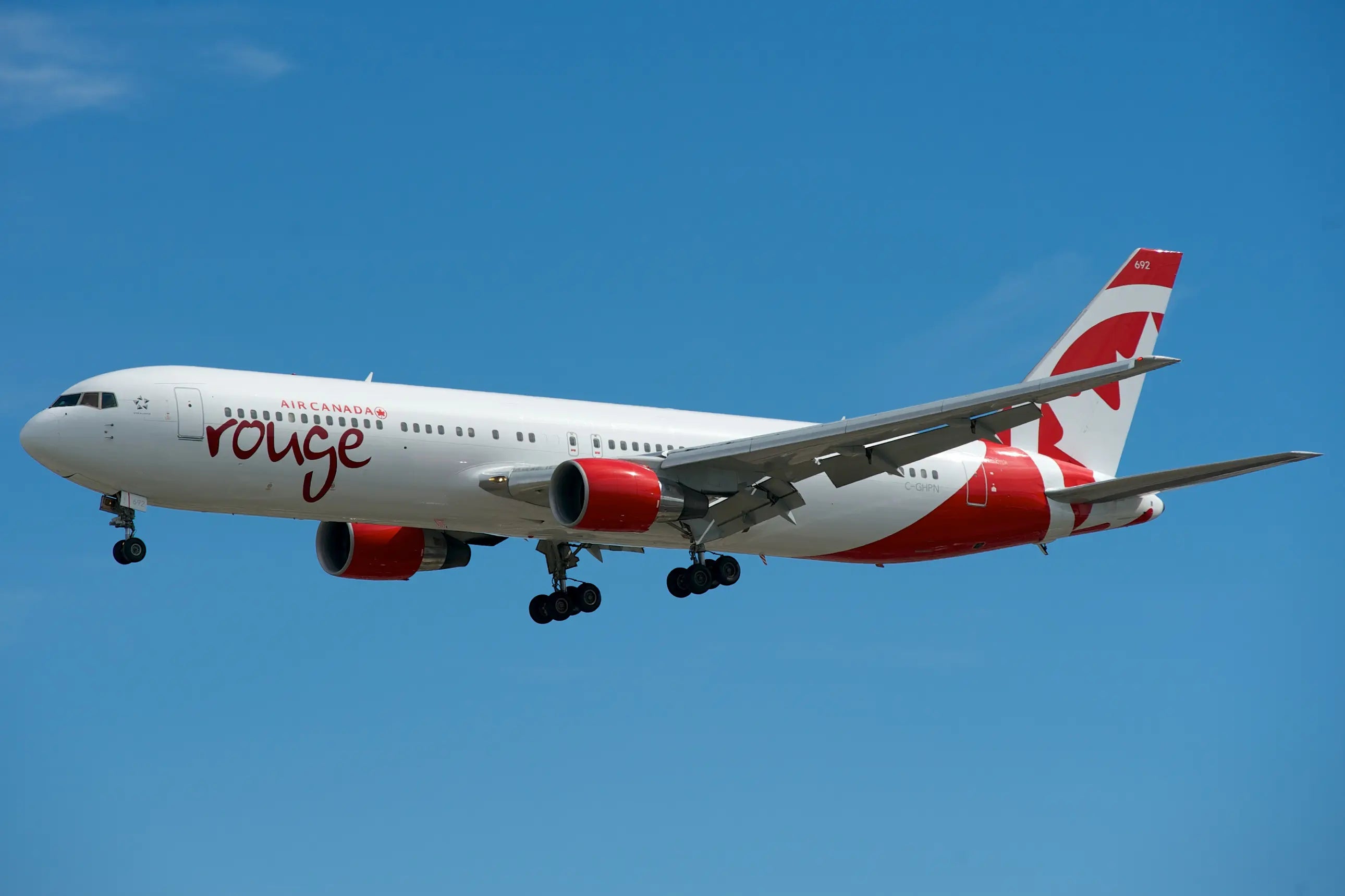
Air Canada Rouge Overview & Company Profile
Air Canada Rouge (IATA code RV, ICAO code ROU, callsign "Rouge") is the leisure and low-cost brand of Air Canada, the country's flag carrier and largest airline. Rouge was announced in 2012 and began flying on July 1, 2013, created to give Air Canada a lower-cost platform for high-density sun, transborder, and holiday routes. It holds its own Air Operator Certificate (AOC 17978), but every Rouge flight is sold under an Air Canada "AC" flight number and displayed as "operated by Air Canada Rouge," the same way regional feeder flights appear under the Air Canada Express banner.
For pilots, the single most important fact about Rouge is this: Rouge pilots are Air Canada pilots. They sit on the same seniority list, are covered by the same collective agreement, and are represented by the same union as their colleagues flying widebodies to Tokyo or London. Rouge is a division and a fleet-and-route strategy, not a separate employer with a separate career ladder. That structural reality shapes almost everything an aspiring pilot needs to know, from pay to progression to job security. You can read Air Canada's own description of the operation on the dedicated Rouge information page.
Air Canada as a group carried 45.3 million passengers in 2025 and reported record operating revenue of roughly C$22.4 billion, operating from primary hubs at Toronto Pearson (YYZ), Montreal Trudeau (YUL), and Vancouver (YVR). The group operates around 335 aircraft and, with regional partners, more than 1,600 daily flights to over 200 destinations. Rouge accounts for a large share of the group's leisure narrowbody flying, and its footprint is expanding: as part of the 2025 to 2026 fleet transformation, Air Canada announced a new Rouge crew base in Vancouver to support incoming Boeing 737 MAX 8 aircraft. Air Canada is a founding member of the Star Alliance, so Rouge crews benefit from one of the broadest global networks in the industry.
Unlike a separate low-cost carrier that runs its own hiring, seniority, and contract, Air Canada Rouge is fully nested inside Air Canada. Management, crew scheduling, and labour relations are handled through Air Canada's corporate structure (headquartered in the Saint-Laurent borough of Montreal, with flight operations coordinated from the Operations Centre in Brampton, Ontario). Joining Rouge means joining Air Canada. The only meaningful differences a pilot experiences are the fleet, the route mix, and the seat pay rate that applies once flat-pay years end.
Fleet Composition & the 737 MAX Transition
Air Canada Rouge is an all-narrowbody operation. Its former widebody flying to Europe, Asia, and South America ended with the retirement of the Boeing 767-300ER fleet, and today Rouge flies only single-aisle jets on leisure routes across North America, the Caribbean, Mexico, and Central America. As of mid-2026 the fleet is in the middle of a major transformation that every prospective Rouge pilot should understand before applying.
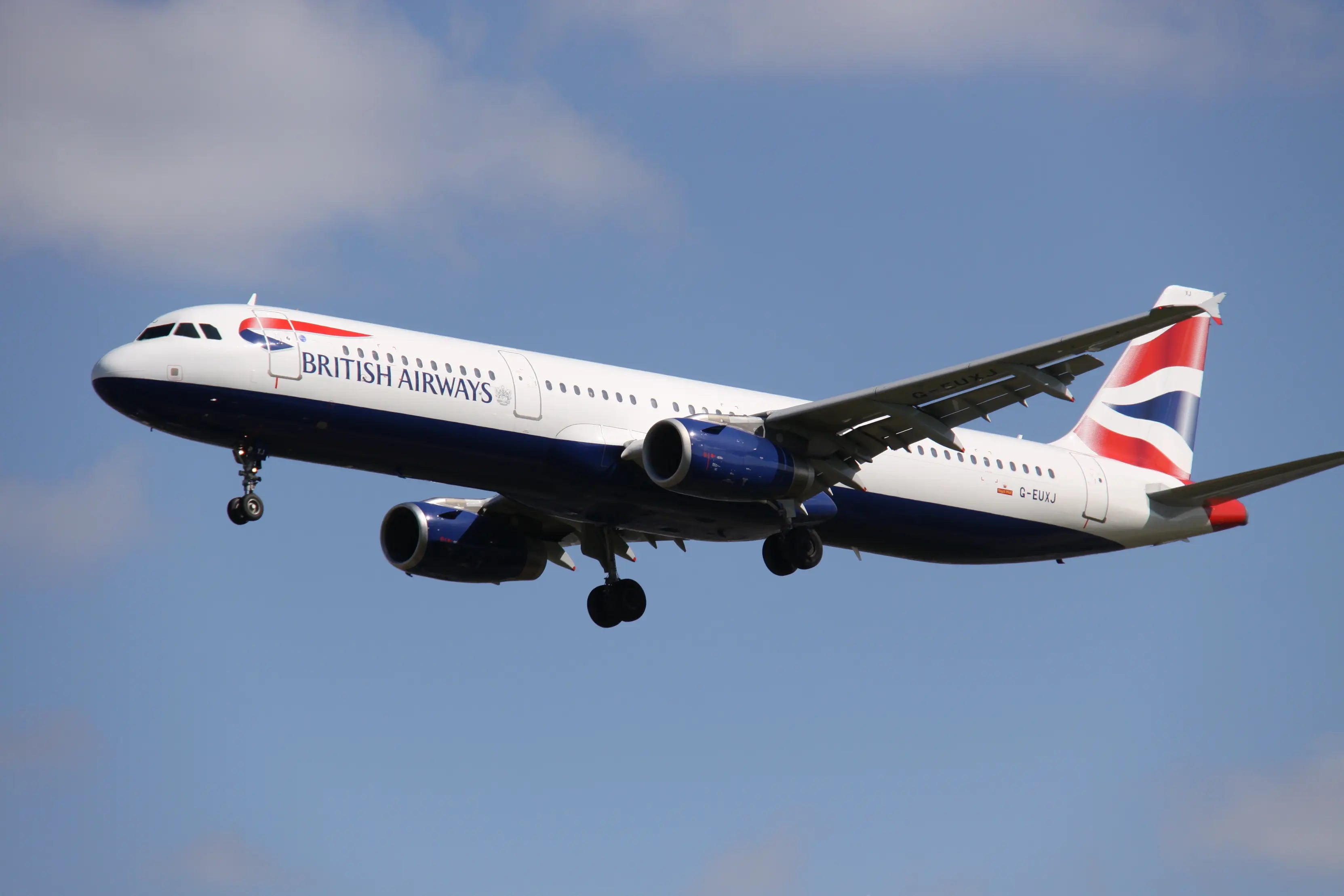
Under the fleet upgrade Air Canada announced for 2025 to 2026, the two narrowbody families are being separated by brand. All Airbus A320 and A321 aircraft are moving up to Air Canada mainline (with upgraded cabins), the older Airbus A319 is being retired, and the entire mainline Boeing 737 MAX 8 fleet is transferring down into Rouge. The end state is a modern, standardized Rouge built around the 737 MAX 8. Air Canada's own fleet transformation announcement confirms that all mainline MAX 8 aircraft transition to Rouge through 2026.
| Aircraft Type | Role | In Rouge Service | Status / Notes |
|---|---|---|---|
| Boeing 737 MAX 8 | Narrowbody | ~16 (growing) | Future backbone. All mainline MAX 8 (about 47, rising toward 52) move to Rouge by end 2026. New cabins with reclining seats and Wi-Fi. |
| Airbus A321-200 | Narrowbody | ~13 | High-density leisure. Scheduled to transfer to Air Canada mainline by around 2027. |
| Airbus A319-100 | Narrowbody | ~12 | Oldest type. Being retired and replaced by the 737 MAX 8. |
| Airbus A320-200 | Narrowbody | ~5 | Leisure short and medium haul. Also scheduled to move to mainline by around 2027. |
Fleet data as of mid-2026. Numbers are approximate and shift month to month as aircraft are delivered, transferred, and retired. Sources: Air Canada corporate materials and public fleet databases.
The refreshed 737 MAX 8 cabin is configured with 12 Business Class seats, 18 Preferred extra-legroom Economy seats, and 147 Standard Economy seats, all with reclining function and fast, free Wi-Fi for Aeroplan members. From a flight deck perspective the cabin work does not change the cockpit, which is defined by the airframe. The relevant point for pilots is that Rouge is trading an aging, mixed Airbus fleet for a young, uniform 737 MAX 8 fleet, which typically means better dispatch reliability, more consistent training footprints, and a clearer bidding picture over time.
Air Canada, like other major Canadian carriers, provides type-rating training to pilots it hires rather than requiring self-funded ratings. New hires do not choose their aircraft or base freely: initial fleet and base assignment is driven by company need and by where junior seats sit on the seniority list. A Rouge assignment today most commonly means the 737 MAX 8 or a remaining Airbus narrowbody. Because Rouge and mainline share one seniority list, the type you start on is a starting point, not a life sentence. Future fleet and seat changes are won through seniority-based bidding across the entire Air Canada system.
Pilot Salary & Compensation Breakdown
Rouge pilot pay is governed by the Air Canada pilot collective agreement, ratified in October 2024 by roughly 67 percent of voting pilots after a near-strike in September 2024. The Air Line Pilots Association (ALPA) valued the four-year deal at about C$1.9 billion, and media reporting described a cumulative wage increase of close to 42 percent over the term. To understand what a Rouge pilot actually earns, you need to understand two mechanics that define the Air Canada system: flat pay and formula pay.
Flat pay applies to a pilot's first four years. During this period, base pay is largely fixed and does not depend on aircraft type or seat, so a new First Officer on a widebody earns the same base as one on a narrowbody. This is a long-standing point of frustration in the pilot group and a key reason entry-level compensation lags carriers like WestJet. After the flat-pay period, pilots move to formula pay, where earnings are built from an hourly base rate that varies by fleet and seat, plus a stack of premiums (navigational pay tied to route, weight pay tied to aircraft size, overnight and layover pay, and more). Crucially, the same seat pays roughly 25 percent less at Rouge than at mainline once formula pay applies, reflecting the leisure brand's lower cost model. Public, verified pay tables for Rouge can be cross-checked on the Pilot Career Center Rouge profile.
First Officer Pay (Air Canada System, Rouge Pilots Included)
| Seniority Stage | Monthly (est.) | Annual Gross (est.) | Notes |
|---|---|---|---|
| Year 1 (flat pay) | ~C$6,560 | ~C$78,700 | Fixed base regardless of fleet. Figure reflects post-2024 flat-pay rate. |
| Year 2 (flat pay) | ~C$7,100 | ~C$85,300 | Still flat pay. Same base on any First Officer seat. |
| Years 3 to 4 (flat pay) | ~C$7,700 to C$8,400 | ~C$92,000 to C$100,000 | Flat pay continues; exact steps set by the collective agreement. |
| Years 5 to 8 (formula, narrowbody) | ~C$8,800 to C$11,300 | ~C$105,000 to C$135,000 | Formula pay begins. Rouge seat runs below the mainline equivalent. |
| Senior / widebody F/O (mainline bid) | ~C$11,700 to C$13,300 | ~C$140,000 to C$160,000 | Requires bidding a mainline widebody seat as seniority allows. |
Estimates in Canadian dollars, based on roughly 75 to 80 credit hours per month plus standard allowances. Actual pay varies with the specific line flown and formula-pay components.
Captain Pay (Air Canada System)
| Seat | Typical Upgrade Time | Annual Gross (est.) | Notes |
|---|---|---|---|
| Narrowbody Captain (early) | 3 to 5 years | ~C$200,000 to C$255,000 | Rouge 737 or mainline Airbus. Rouge seat pay sits below the mainline figure. |
| Narrowbody Captain (established) | 5+ years | ~C$255,000 to C$291,000 | Air Canada's stated average for narrowbody command, plus expenses. |
| Widebody Captain (A330 / 777 / 787) | 11 to 15 years | ~C$315,000 to C$397,000 | Mainline only. Senior 777 Captains can exceed C$400,000 with overtime. |
Upgrade timelines and average salaries reflect Air Canada recruitment materials. Rouge Captains fly the narrowbody fleet; widebody command requires bidding into mainline as seniority permits.
These figures are estimates compiled from Air Canada recruitment materials, ALPA communications, pilot career databases, and industry reporting. Detailed pay scales beyond the first two flat-pay years are not fully published in open sources and must be confirmed against the ratified collective agreement. Three cautions matter most: (1) the first four years of flat pay are modest by North American standards, even after the 2024 raises; (2) Rouge seat pay runs about 25 percent below the mainline equivalent under formula pay; and (3) gross figures are reduced by Canadian federal and provincial income tax (higher in Quebec and Ontario) plus deductions. Always verify current numbers with ALPA and the collective agreement before making a career decision.
Roster Pattern & Quality of Life
Rouge flying is high-density, short-to-medium-haul leisure work: multiple legs, early sun departures, late returns, and a heavy seasonal peak in winter and summer. Scheduling is governed by the Air Canada collective agreement work rules layered on top of Canada's flight and duty time regulations under Canadian Aviation Regulations (CARs) Subpart 700. Those rules cap flight time at 112 hours in any 28 consecutive days, 300 hours in any 90 days, and 1,000 hours in any 365 days, with prescriptive rest, reserve, and window-of-circadian-low protections built in.
Like most large North American carriers, Air Canada builds monthly rosters through a Preferential Bidding System (PBS), where pilots bid preferences (days off, trip length, destinations) and the software constructs lines by seniority. PBS itself does not create good or bad quality of life; the underlying work rules and your seniority do. Junior Rouge pilots typically spend significant time on reserve, on call to cover open flying, and may work 17 or more duty days in a month. Once a pilot holds a regular line, a narrowbody schedule usually settles into roughly 14 to 16 working days per month.
📅 Sample Month — Narrowbody First Officer (Toronto, Line Holder)
Rouge pairings frequently include overnight layovers at sun destinations rather than back-to-back same-day turns, because schedulers pair one leg per duty day on longer sectors and apply mandatory rest at the outstation. That is one of the genuine lifestyle upsides of leisure flying: instead of grinding domestic day-trips, a Rouge pilot may overnight in Cancun, Punta Cana, or Fort Lauderdale. The trade-off is workload intensity, more takeoffs and landings, frequent early starts, and peak-season pressure, which raises cumulative fatigue risk even though individual sectors are short.
Paid vacation follows a tiered, seniority-based structure common to Air Canada pilots: about two weeks per year in years one to three, three weeks in years four to six, and four weeks from year seven onward, plus roughly ten additional days in lieu of statutory holidays. In practice that gives long-service pilots close to six weeks of paid time off when vacation and statutory days are combined. New hires, however, hold little seniority and often struggle to secure summer or holiday vacation and weekends off in the early years.
Rouge crews are based at Toronto (YYZ) and Montreal (YUL), with a new Vancouver (YVR) base opening to support the incoming 737 MAX 8 fleet. Base is assigned by seniority and operational need, so new hires may not get their first choice and many commute until they can hold a preferred base. The Vancouver base is a meaningful development for Western-based pilots who previously faced long commutes to Eastern Canada. Note that pilot-specific day-off averages are not fully published by Air Canada; the figures above blend collective-agreement provisions, cabin-crew disclosures used as a proxy, and pilot community reporting.
Benefits, Travel Perks & Retirement
Because Rouge pilots are Air Canada employees, they receive the full Air Canada benefits and privileges package. For many pilots this is where the leisure brand's lower seat pay is partly offset: the travel, health, and retirement programs are those of a global network carrier, not a small low-cost operator.
This is an important distinction for long-term planning. Air Canada pilots participate in a defined contribution pension plan, in which the employer matches contributions and the pilot bears the investment risk and manages the outcome. This differs from a defined benefit plan (which some other Air Canada employee groups retain) that guarantees a formula-based pension. A DC plan can still build substantial retirement wealth, particularly when combined with high late-career earnings and the 33.33 percent share-ownership match, but the payout is not guaranteed and depends on markets and contribution levels. Prospective pilots should model retirement outcomes carefully rather than assume a fixed pension.
On the travel side, the Star Alliance connection is a real advantage over Canadian competitors with narrower networks. Rouge pilots can use reduced-rate and standby travel across Air Canada's global system and dozens of partner airlines, which is valuable both for personal travel and for commuting to base. As with all staff travel, seats are subject to availability and load, and employees are expected to follow the airline's conduct and dress standards when travelling on pass privileges.
Career Progression & Seniority
Career progression at Air Canada, including Rouge, is strictly seniority-based, and this is where Rouge's structure becomes a genuine strength. Because Rouge and mainline share a single seniority list, every day flown at Rouge counts fully toward system seniority. A pilot who starts on a Rouge 737 is not stuck in a separate airline with a ceiling; they hold the same bid rights as a pilot hired directly onto mainline metal, and can bid up to mainline narrowbody and eventually widebody seats as their number allows.
Air Canada does not run a formal "flow-through" from Rouge, because there is nothing to flow through: Rouge pilots are already on the mainline list. During the first four years of flat pay, seat choice is mostly about lifestyle rather than income, since base pay is fixed regardless of fleet. Some pilots strategically bid an early Captain seat to escape flat pay sooner; others bid a relief-pilot or narrowbody seat that fits their commute and days off.
| Career Milestone | Typical Timeline | Notes |
|---|---|---|
| Join as First Officer | Day 1 post-hire | Assigned to 737 MAX 8 or Airbus narrowbody at Rouge, or a mainline fleet, per company need and seniority. |
| Exit flat pay | After 4 years | Move to formula pay; earnings become fleet and seat dependent. |
| Narrowbody Captain upgrade | 3 to 5 years | Air Canada's stated range. Some fleets have upgraded much junior pilots when growth is fast. |
| Widebody First Officer | Seniority dependent | Bid into A330, 777, or 787 at mainline as seniority allows. |
| Widebody Captain | 11 to 15 years | Top of the earnings scale. The most senior 777 seats can require 20+ years. |
| Training Captain / Check Pilot | Variable | Requires separate selection and instructor qualification. |
The fleet transformation is a tailwind for Rouge progression. As roughly 50 Boeing 737 MAX 8 aircraft move into Rouge through 2026 and a new Vancouver base opens, the leisure operation is growing, and growth tends to create junior Captain opportunities and faster seat movement. At the same time, the 2024 contract has improved the long-term earnings trajectory and helped Air Canada compete for talent against WestJet and a rapidly expanding Porter. The main caution remains the early years: modest flat pay, heavy reserve, and limited schedule control until seniority builds. Pilots who take a long view are rewarded, because the Air Canada system offers one of the highest lifetime-earning ceilings in Canada.
Recruitment Process & Requirements
There is no separate "Rouge" hiring stream in the way some airlines run a distinct low-cost pipeline. Pilots apply to Air Canada, and the company assigns fleet and base. Air Canada recruits experienced pilots rather than running a large ab-initio cadet academy, so the entry bar is built around flight time and Canadian licensing. Postings appear on the Air Canada Flight Operations and Pilots careers page.
Core Requirements
Selection Stages
Online Application & Screening
Apply through the Air Canada careers portal with detailed logbook totals, licence and medical documentation, and employment history. Candidates who meet the 2,000-hour threshold and licensing standards are screened for interview.
Interview
A structured interview covering technical knowledge, crew resource management, decision making, and cultural fit. Behavioural and situational questions probe judgement and teamwork, which matter heavily in a two-crew leisure operation with tight turns.
Simulator / Technical Assessment
A simulator evaluation assesses instrument flying, procedural discipline, and handling under workload. Technical questioning confirms your systems and regulatory knowledge to airline standard.
References, Background & Medical
Employment references, background and security checks, and a valid Category 1 medical are required. Air Canada must confirm your legal right to work in Canada at this stage.
Ground School, Type Rating & Line Training
Successful candidates are assigned a fleet and base, then complete company-funded ground school, type rating (for example on the 737 MAX 8), simulator sessions, and line indoctrination. New hires typically start on reserve before holding a line.
Two requirements screen out the most applicants: the 2,000-hour minimum and Canadian work authorization. Air Canada does not sponsor foreign work permits for pilots, so citizenship or permanent residency is effectively required. Common feeder backgrounds include Canadian regionals such as Jazz and Porter, other turboprop and regional-jet operators, and corporate or charter flying that builds multi-crew IFR turbine time. Strong candidates present clean, well-organized logbooks, current ratings, and demonstrable CRM maturity. Because Rouge is expanding with the 737 MAX transition and a new Vancouver base, watch the careers portal for hiring waves tied to fleet growth.
Top 5 Layover Destinations
Rouge is a leisure carrier, so its layover map reads like a vacation brochure: Caribbean beaches, Mexican resorts, and Florida sun. Because Rouge crews operate under the same scheduling framework as the rest of Air Canada, longer sectors are typically paired one leg per duty day with an overnight at the destination and mandatory rest before the return. The result is a network of warm-weather layovers that many pilots consider one of the best perks of narrowbody leisure flying. The destinations below are among Rouge's busiest sun markets from Toronto and Montreal.
Air Canada contracts crew hotels and provides ground transport; pilots do not book their own accommodation. Under CARs Subpart 700, crews must receive prescribed minimum rest before the next duty period, and layover length is set by the pairing and the schedule. Which destinations you actually fly depends on your base, fleet, and seniority through PBS: senior pilots get first pick of the most desirable sun routes. Note that Air Canada does not publish a brand-specific Rouge route list or crew-hotel directory, so the destinations above are drawn from network data and reflect Rouge's leisure focus rather than an official layover ranking. Route mix shifts each season.
How Air Canada Rouge Compares: Airline Radar Chart
The most relevant comparison for a Canadian pilot weighing Rouge is against the country's two other major pilot employers, WestJet and Porter Airlines. Both now sit under ALPA representation, and both have made big moves on pay and network. The chart below scores all three across the same six themes used in the scorecard. Scores are editorial estimates based on publicly available data, collective agreements, and industry benchmarks, and they reflect the Air Canada system that Rouge pilots belong to.
Key Takeaways from the Comparison
WestJet leads on early-career pay. After its 2023 ALPA contract, which lifted salaries by up to 40 percent, WestJet narrowbody First Officers start around C$120 per hour with roughly C$120,000 annually, and 737 Captains generally earn C$220,000 to C$280,000, rising to C$300,000 to C$380,000 on the 787. Air Canada's flat-pay structure means a Rouge First Officer earns noticeably less in the first four years, even after the 2024 raises. The gap narrows sharply once Air Canada pilots reach formula pay and command.
Air Canada wins on long-term ceiling and network. The Air Canada system offers the highest top-end earnings in Canada, with senior widebody Captains earning C$315,000 to C$397,000 and the most senior 777 Captains exceeding C$400,000 with overtime. Add Star Alliance staff travel and the breadth of fleets and bases, and the lifetime opportunity is broader than either competitor. Industry estimates suggest cumulative career earnings at Air Canada can run meaningfully higher than at leisure-focused rivals, provided a pilot upgrades and moves to high-paying equipment.
Porter is transparent and stable, with a lower ceiling. Porter publishes its pay scales openly. As of January 2025, Dash 8-400 First Officers earn about C$74 to C$92 per hour and E195-E2 Captains reach roughly C$212 to C$298 per hour, with top-step jet Captains approaching C$277,000 at the guaranteed minimum. Porter's moderate time-zone network and predictable patterns appeal to pilots who value work-life balance now, though it is still negotiating its first ALPA collective agreement.
Work-life balance is a mixed picture for Rouge. Rouge's intensive narrowbody leisure flying and heavy junior reserve pull its early-career quality-of-life score below WestJet's. But the sun-destination layovers and, over a career, the ability to hold desirable senior lines and widebody trips (as few as eight duty days per month for senior widebody Captains) mean the long-run picture improves substantially with seniority.
Scores are editorial estimates based on our research into published collective-agreement outcomes, airline recruitment materials, pilot pay databases, union communications, and industry reporting. They represent a general assessment for a pilot planning a long-term career and reflect the Air Canada system that Rouge belongs to rather than Rouge in isolation. Individual outcomes vary by seniority, fleet, base, and personal priorities. Figures for WestJet and Porter are drawn from their most recent public pay data and will be revisited as we publish dedicated guides for those carriers.
Union & Industrial Relations
Air Canada Rouge pilots are represented by the Air Line Pilots Association, International (ALPA), the largest pilot union in the world. This is a recent change: for decades Air Canada pilots were represented by the independent Air Canada Pilots Association (ACPA), which merged into ALPA in 2023, bringing roughly 4,800 pilots in as ALPA's newest major pilot group. You can follow contract status and news through the ALPA Air Canada pilot group page. Rouge pilots are covered by exactly the same representation and collective agreement as mainline pilots.
How the Pilot Group Is Governed
The 2024 Contract and How Bargaining Works
Pilot working conditions are set by the Air Canada collective agreement, negotiated between the MEC's bargaining committee and management within the framework of the Canada Labour Code and CARs flight and duty time rules. The most consequential recent event was the 2024 round: after roughly 15 months of talks and against a backdrop of record Air Canada revenues, pilots came within days of a strike in September 2024 before a last-minute deal was reached. In October 2024 the group ratified a four-year agreement with about 67 percent in favour. ALPA valued it at around C$1.9 billion, and reporting described a cumulative wage increase near 42 percent over the term, aimed at narrowing the gap with United States legacy carriers.
Strike History & Key Disputes
With a fresh four-year contract ratified in late 2024, the Air Canada pilot group entered a period of relative labour stability, which is good news for anyone joining Rouge now. Strong union representation works in a pilot's favour: ALPA negotiates on pay, scheduling protections, fatigue rules, and the treatment of Rouge seat pay relative to mainline. The key open tensions for Rouge specifically are keeping leisure seat pay fair and securing fatigue protections tailored to high-intensity narrowbody flying. Union membership is effectively universal in the group, and prospective pilots should read the collective agreement closely, since it, not marketing material, defines day-to-day conditions.
Verdict: Who Is Air Canada Rouge For?
🎯 Our Take
Air Canada Rouge is best understood not as a destination but as a door. Because Rouge pilots are Air Canada pilots on a single shared seniority list, joining Rouge is joining Canada's largest airline, with a direct path to mainline narrowbody and widebody flying, one of the highest lifetime-earning ceilings in the country, Star Alliance staff travel, and the job security of a group that just secured a strong four-year contract.
The trade-offs are concentrated in the early years and they are real. The first four years of flat pay are modest, especially compared with WestJet's higher starting rates. Rouge seat pay runs about 25 percent below the mainline equivalent once formula pay begins. New hires face heavy reserve, limited schedule control, and the workload intensity of high-density leisure flying, with early starts, tight turns, and peak-season pressure. And the pension is defined contribution, so a comfortable retirement depends on disciplined saving rather than a guaranteed formula.
What tips the balance for many is the trajectory. The ongoing 737 MAX 8 transition into Rouge, a new Vancouver base, and steady hiring make this a growing operation, and growth accelerates upgrades and seat movement. For a pilot who takes the long view and values sun-destination layovers along the way, Rouge is one of the strongest career foundations available in Canada.
1Are Air Canada Rouge pilots the same as Air Canada pilots?
Yes. Rouge pilots are Air Canada employees on the same single seniority list, covered by the same ALPA collective agreement and represented by the same Master Executive Council. Rouge is a brand, a fleet, and a route strategy, not a separate airline with its own career ladder. The practical differences a pilot notices are the aircraft flown, the leisure route mix, and the lower seat pay that applies at Rouge once flat-pay years end.
2Do I need to be a Canadian citizen to fly for Air Canada Rouge?
You need the legal right to work in Canada, which effectively means Canadian citizenship or permanent residency. Air Canada does not sponsor foreign work permits for pilots. You also need Canadian licensing (an ATPL, or a CPL with the appropriate instrument and multi-engine ratings), a valid Category 1 medical, and English proficiency to the Transport Canada standard. French is an asset but not required.
3How much do Air Canada Rouge pilots earn?
First-year pay under the flat-pay structure is roughly C$78,000 to C$79,000, rising to about C$85,000 in year two, with flat pay continuing through year four regardless of fleet. After that, formula pay applies and earnings climb with fleet and seat: a narrowbody Captain earns in the range of C$255,000 to C$291,000 (Air Canada's stated average, plus expenses), and widebody Captains at mainline reach C$315,000 to C$397,000. Rouge seat pay sits about 25 percent below the mainline equivalent under formula pay. All figures are Canadian dollars and pre-tax.
4What is "flat pay" and why does it matter?
Flat pay is a fixed base salary that applies to an Air Canada pilot's first four years, largely independent of aircraft type or seat. A new First Officer on a widebody earns the same base as one on a Rouge 737. It matters because it holds down early-career income, which is the main reason Air Canada starting pay lags WestJet even after the 2024 raises. Some pilots bid an early Captain seat to leave flat pay sooner. After four years, pilots move to formula pay, where earnings rise quickly with fleet and seniority.
5Does Air Canada Rouge fly widebody or long-haul aircraft?
No. Rouge is now an all-narrowbody operation. Its former widebody routes to Europe, Asia, and South America ended with the retirement of the Boeing 767. Today Rouge flies the Boeing 737 MAX 8 and remaining Airbus A319, A320, and A321 aircraft on leisure routes across North America, the Caribbean, Mexico, and Central America. All widebody and long-haul flying is done by Air Canada mainline, which Rouge pilots can bid into through the shared seniority list.
6How long does it take to upgrade to Captain?
Air Canada states that upgrading to narrowbody Captain typically takes three to five years, while widebody Captain usually takes 11 to 15 years, with the most senior 777 seats sometimes requiring 20 or more years. Timelines are strictly seniority-based and move faster during periods of fleet growth. The current expansion of the Rouge 737 MAX 8 fleet and the new Vancouver base are the kind of growth events that tend to open junior Captain opportunities.
7What is the roster and quality of life like at Rouge?
Rouge runs high-density leisure flying with early starts and tight turns, so the workload is intensive. New hires spend significant time on reserve and may work 17 or more duty days in a month, while line holders typically work about 14 to 16 days. Scheduling uses a Preferential Bidding System, and everything improves with seniority. A genuine upside is the layover map: overnights in Cancun, Punta Cana, Montego Bay, Fort Lauderdale, and other sun destinations are common. Vacation grows from about two weeks early on to four weeks plus statutory days for senior pilots.
8How does Rouge compare to WestJet and Porter?
WestJet offers higher early-career pay (First Officers around C$120 per hour after its 2023 contract) and strong work-life balance, but a lower top-end than Air Canada's widebody scale. Porter publishes transparent pay scales, flies moderate time-zone routes on the Dash 8-400 and E195-E2, and is negotiating its first ALPA contract; its ceiling is lower than Air Canada's. Rouge, as part of the Air Canada system, trades modest flat-pay years for the highest lifetime ceiling in Canada, the broadest network via Star Alliance, and a direct path to widebody command.
Official Links & Resources
Before applying or making a career decision, verify everything against primary sources. Pay scales, requirements, and fleet plans change, and the collective agreement (not any summary) is the authoritative document. These are the key official resources for an Air Canada Rouge pilot career:
Set an alert on the Air Canada Flight Operations and Pilots careers page and watch ALPA's Air Canada news feed. Hiring at Air Canada tends to move in waves tied to fleet events, and the current Rouge 737 MAX 8 transition plus the new Vancouver base is exactly the kind of expansion that drives recruitment. When a posting opens, applicants with clean logbooks, current ratings, and solid multi-crew turbine time are best positioned.