


Northern Air Cargo Overview & Company Profile
Northern Air Cargo (NAC) is an all-cargo airline founded in 1956 and headquartered at Ted Stevens Anchorage International Airport in Alaska. Originally established by Robert "Bobby" Sholton and Maurice Carlson as a charter freight service operating two Fairchild C-82 Packets, NAC has grown over nearly seven decades into one of the premier freight operators serving the Last Frontier. The airline provides a critical logistics lifeline to remote communities across Alaska that lack surface transportation infrastructure, delivering everything from groceries and fuel to heavy equipment and construction materials.
NAC operates as a subsidiary of Saltchuk Resources, Inc., a privately held diversified transportation and distribution conglomerate based in Seattle, Washington. Saltchuk generates approximately $2.75 billion in consolidated annual revenue and employs around 6,000 people across its portfolio companies. Within the Saltchuk Aviation division, NAC operates alongside its sister carrier Aloha Air Cargo, a Hawaii-based freight airline. The two carriers share a unified pilot seniority list under a Joint Collective Bargaining Agreement (JCBA), while maintaining separate FAA operating certificates and hiring processes.
As of late 2025, NAC operates scheduled and charter freight services to 12 Alaska destinations plus a recently launched Seattle route. The airline employs approximately 220 pilots (part of a combined seniority list of roughly 284 pilots shared with Aloha Air Cargo) and operates exclusively under FAA Part 121 authorization as a scheduled all-cargo carrier. The airline underwent a significant strategic restructuring in July 2025, ceasing all Boeing 767 widebody operations, closing its Miami base, and furloughing over 40 pilots to refocus on core Alaska and Hawaii 737 narrowbody cargo services.
Fleet Composition & Aircraft Types
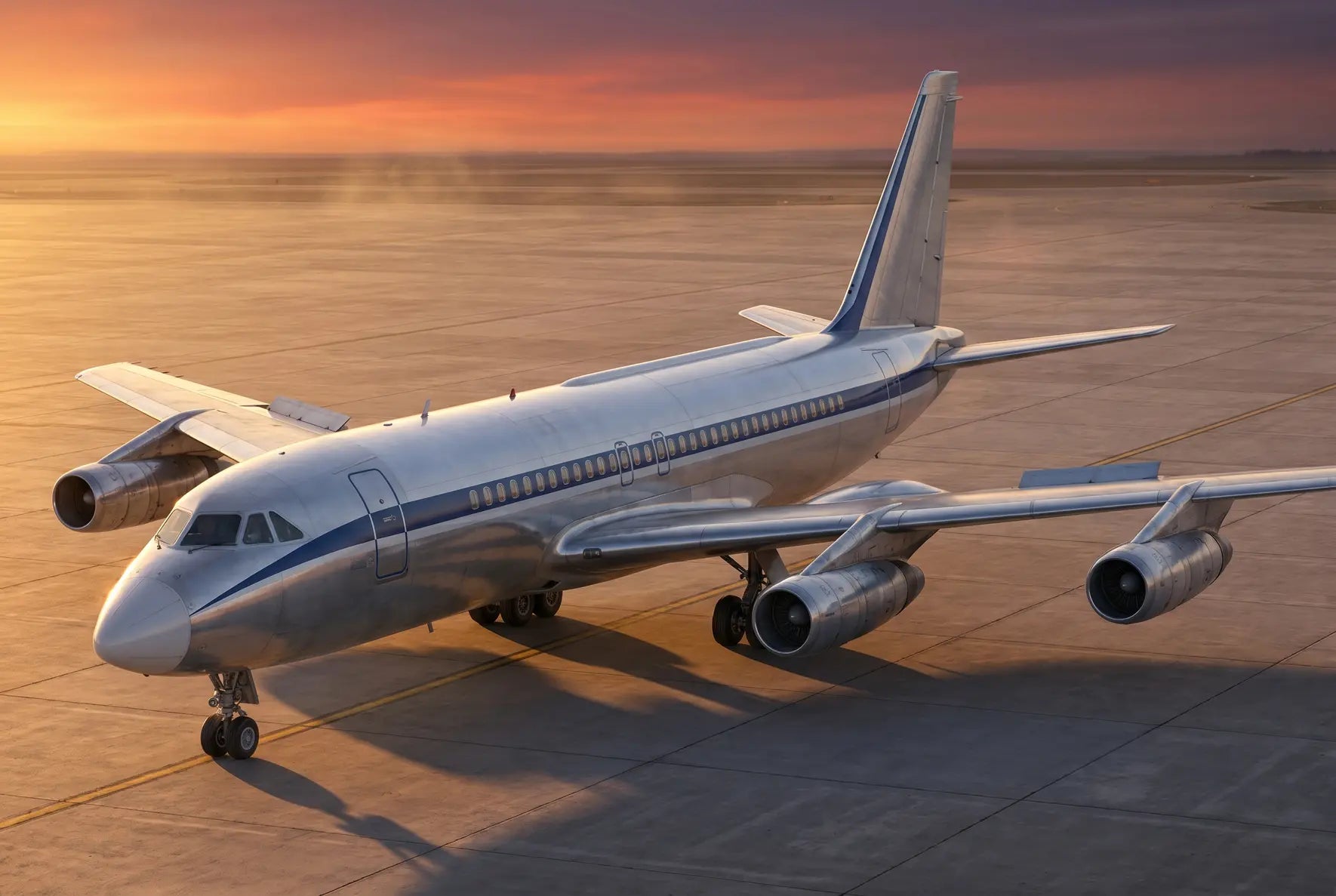
Following the July 2025 restructuring that eliminated all widebody operations, Northern Air Cargo now operates an exclusively Boeing 737 narrowbody freighter fleet. The current fleet is small but purpose-built for Alaska's demanding cargo environment: short runways, extreme weather, and the need for rapid turnarounds at remote airstrips. All aircraft are Special Freighter (SF) conversions, meaning they were originally built as passenger 737s and later converted to all-cargo configuration with a large main deck cargo door and reinforced floors.
| Aircraft Type | Role | In Service | Notes |
|---|---|---|---|
| Boeing 737-300SF | Narrowbody Freighter | 1 | Standard Alaska intrastate cargo. Oldest active type in fleet. |
| Boeing 737-400SF | Narrowbody Freighter | 2 | Workhorse for scheduled Alaska routes. Slightly larger payload than -300. |
| Boeing 737-800SF | Narrowbody Freighter | 1 | Newest addition. Used on Seattle-Anchorage route launched October 2025. |
Fleet data as of September 2025 per Planespotters.net and Wikipedia. The 737-800SF offers roughly 25% more payload capacity than the -300/-400 variants.
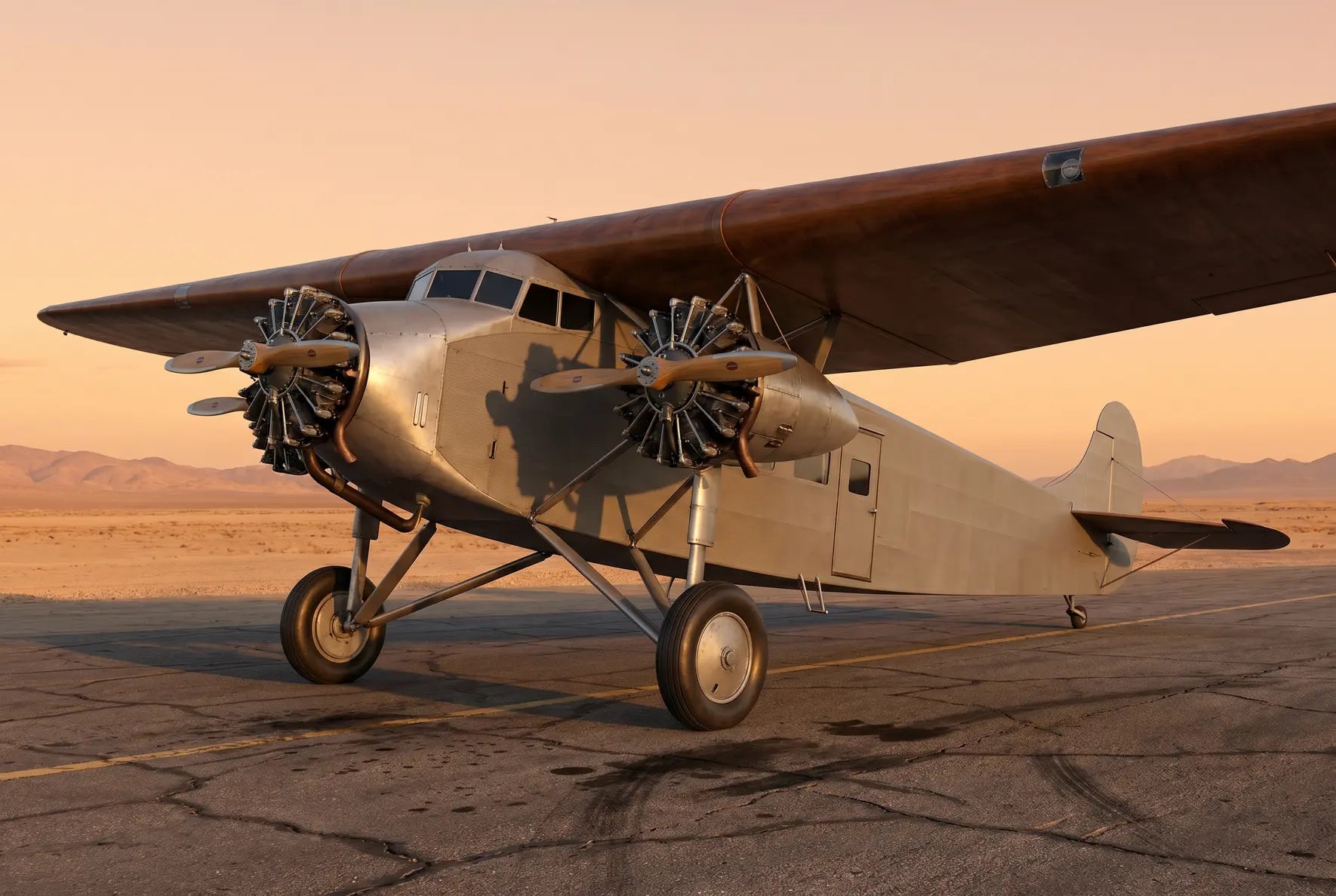
The airline's fleet history is rich and varied. NAC is one of the very few civilian operators to have flown the Douglas C-133 Cargomaster in the late 1970s and early 1980s. Over the decades, the airline operated Douglas DC-6 freighters, Boeing 727-100 freighters, ATR 42-300 turboprops, and most recently four Boeing 767-300ER BDSF widebody freighters used on Caribbean, Latin American, and Pacific routes before their withdrawal in 2025.
The retirement of the 737-200 in February 2019 marked the end of NAC's classic fleet era. The current all-737 fleet provides type commonality across the pilot group, simplifying training and crew scheduling. However, the fleet of just four aircraft is notably small, raising questions about operational resilience and growth capacity. The 737-800SF addition in 2025, paired with the new Seattle-Anchorage service, suggests management is pursuing measured growth within the narrowbody segment rather than returning to widebody operations.
With only one aircraft type family (Boeing 737) remaining in the fleet, all NAC pilots operate on a single type rating. This simplifies career management but limits fleet diversity. Pilots seeking widebody experience or progression to larger aircraft will not find that opportunity at NAC following the 2025 restructuring. The 737 type rating, however, is one of the most transferable in commercial aviation and is valued by major carriers and cargo operators worldwide.
Pilot Salary & Compensation Breakdown
Northern Air Cargo pilot compensation is governed by the Joint Collective Bargaining Agreement (JCBA) negotiated between the International Brotherhood of Teamsters (Locals 959 and 986) and Saltchuk Aviation. Pay is structured around hourly rates that increase annually through a 12-year progression scale. Both line holders and reserve pilots receive a guaranteed minimum of 65 Pilot Compensable Hours (PCH) per month, providing a stable income floor regardless of actual flight hour variations due to weather, maintenance, or schedule disruptions.
First Officer (F/O) Pay Scale — Boeing 737
| Seniority Year | Hourly Rate | Monthly Min (65 PCH) | Est. Annual Gross |
|---|---|---|---|
| Year 1 (entry) | $92/hr | $5,980 | ~$72,000 – $88,000 |
| Year 3 | $104/hr | $6,760 | ~$81,000 – $98,000 |
| Year 5 | $113/hr | $7,345 | ~$88,000 – $106,000 |
| Year 8 | $132/hr | $8,580 | ~$103,000 – $120,000 |
| Year 12 | $150/hr | $9,750 | ~$117,000 – $135,000 |
Annual estimates include base pay plus estimated per diem. Actual compensation depends on monthly hours flown, trip assignments, and overtime.
Captain Pay Scale — Boeing 737
| Seniority Year | Hourly Rate | Monthly Min (65 PCH) | Est. Annual Gross |
|---|---|---|---|
| Year 1 (new Captain) | $146/hr | $9,490 | ~$114,000 – $135,000 |
| Year 3 | $161/hr | $10,465 | ~$126,000 – $148,000 |
| Year 5 | $175/hr | $11,375 | ~$137,000 – $160,000 |
| Year 8 | $195/hr | $12,675 | ~$152,000 – $178,000 |
| Year 12 | $208/hr | $13,520 | ~$162,000 – $190,000 |
Top-of-scale Captain earnings can approach $190,000 annually when per diem and overtime are included. These figures reflect 737 operations only.
Per Diem & Premium Pay
NAC provides differentiated per diem rates based on duty location. Domestic per diem is $61 per duty hour, while international per diem (which includes Alaska and Hawaii routes) is $77 per duty hour. This international classification for Alaska and Hawaii reflects the operational complexity and time-zone variations pilots encounter on these routes.
Premium pay opportunities include 150% of base hourly rate for pilots who voluntarily pick up additional open-time trips. Junior assignment bonuses are also available: the first involuntary junior assignment in any 90-day rolling period pays 200% of the applicable rate, while a second junior assignment in the same period pays 250%. These incentives encourage voluntary schedule flexibility and reduce management reliance on mandatory assignments.
These figures are compiled from Airline Pilot Central, pilot forum reports, and JCBA summaries. Actual compensation depends on the current contract, seniority step, monthly hours flown, and trip assignments. NAC pay positions competitively against regional airlines and small cargo operators but remains well below major cargo carriers like FedEx Express or UPS. Always verify with the latest Teamsters-negotiated JCBA before making career decisions.
Roster Pattern & Quality of Life
Northern Air Cargo operates under FAA Part 121 duty time and rest requirements, which mandate a minimum 10-hour rest opportunity before any duty period involving flight operations. As a cargo-only operator, NAC is not subject to the more restrictive FAR 117 passenger carrier fatigue rules, though the Part 121 framework still provides meaningful rest protections. Pilots typically receive approximately 13 days off per month under structured line-bidding systems, where schedules are bid and awarded before each operational period.
📅 Sample Month — Boeing 737 First Officer (ANC Base)
The typical line configuration for 737 operations follows a 4 days on, 3 days off repeating pattern. Flying days involve Alaska intrastate cargo runs, often with multiple sectors per day serving communities like Bethel, Nome, Barrow, Kotzebue, and Deadhorse. Duty days can be long given Alaska's vast distances and the operational demands of remote airstrips, but pilots generally return to their base city (Anchorage or Honolulu) at the end of each rotation.
Following the July 2025 closure of the Miami base and all 767 operations, NAC now maintains only two pilot domiciles: Anchorage (ANC) and Honolulu (HNL). Anchorage is the primary base for all Alaska 737 operations, while Honolulu serves NAC and Aloha Air Cargo's Hawaii freight network. Pilots based in Anchorage benefit from Alaska's lack of state income tax, which meaningfully boosts take-home pay. Honolulu, while offering an attractive lifestyle, presents higher cost of living for mainland commuters. The 4-on/3-off pattern means pilots spend roughly 17 days per month at their base city, which is manageable for commuters but not ideal for those living far from ANC or HNL.
Benefits, Retirement & Perks
Northern Air Cargo provides a comprehensive benefits package to full-time employees, reflecting its position as a unionized Part 121 operator backed by a major transportation conglomerate. While benefits do not match those of top-tier cargo carriers like FedEx or UPS, they are competitive within the regional and mid-size cargo airline segment and compare favorably to many regional passenger airlines.
The jump from 4% to 8% company contribution after three years of service is a meaningful retention incentive. For a Year 5 Captain earning approximately $137,000 annually, the 8% company contribution adds roughly $11,000 per year to the retirement account before any personal contributions or investment returns. While this falls short of major cargo carriers (UPS offers 12%+ company contributions), it represents solid retirement building for a mid-tier operator. Pilots should also consider Alaska's zero state income tax advantage when evaluating total compensation, as it effectively increases take-home pay by 5-10% compared to high-tax states.
Career Progression & Seniority
Career progression at Northern Air Cargo follows a strict seniority-based system governed by the JCBA negotiated between the Teamsters and Saltchuk Aviation. The unified seniority list shared between NAC and Aloha Air Cargo means that a pilot's seniority number carries across both carriers, though aircraft type and base assignments are managed through separate bidding processes. Captain upgrade, schedule bidding, and base preference are all determined by seniority position.
The July 2025 restructuring significantly altered the career landscape at NAC. The closure of 767 operations eliminated the fastest upgrade path (previously as short as 2 years on the 767 in favorable conditions). With the furlough of 40+ pilots and the consolidation to 737-only operations, captain upgrade timelines have extended. Current estimates suggest 5-8 years for Captain upgrade on the 737, depending on retirements, hiring pace, and any future fleet growth. The most junior Captain on the Anchorage 737 line was hired approximately in 2015, suggesting roughly 7+ years of seniority for that position historically.
| Career Milestone | Typical Timeline | Notes |
|---|---|---|
| Hired as F/O (B737) | Day 1 | Direct entry to 737 operations. Type rating may be company-funded or self-sponsored. |
| Complete line training | 2-4 months | IOE and line check on Alaska routes. Challenging terrain and weather training. |
| Aircraft type lock-in period | ~2 years | Must remain on assigned aircraft type before bidding for transition (if applicable). |
| Captain upgrade (B737) | 5-8 years (est.) | Seniority-dependent. Extended following 2025 restructuring and furloughs. |
| Line Check Airman (LCA) | Variable | Instructor/checking role. Requires extensive line experience and selection. |
| Management positions | Variable | Chief Pilot, Director of Flight Ops, Training Department leadership roles available. |
Prospective pilots should approach NAC's career progression with realistic expectations following the 2025 changes. The elimination of 767 operations removed the widebody upgrade track entirely. Block hour accumulation on Alaska 737 runs (approximately 200-240 hours annually) is slower than at regional passenger airlines, which may affect competitiveness for future applications to major carriers. However, the Part 121 PIC time, 737 type rating, and challenging Alaska operational experience are highly valued by hiring boards at airlines like Alaska Airlines, FedEx, and UPS. Many NAC alumni have successfully transitioned to major carriers after building foundational experience at NAC.
Recruitment Process & Requirements
Northern Air Cargo recruits pilots on a rolling basis through its online application portal. The company historically hired approximately 10 pilots per month during peak operational periods, though this pace has likely slowed following the 2025 restructuring and furloughs. All candidates must meet FAA Part 121 minimum qualifications, with additional experience preferences that enhance application competitiveness.
Minimum Requirements
Preferred Qualifications
While not absolute requirements, several qualifications strengthen applications: a Boeing 737 type rating (reduces company training investment), previous Part 121 experience from regional airlines or cargo carriers, Alaska aviation background or current Alaska residency, and previous cargo/freight operations experience. Recommendation letters from current NAC pilots are also encouraged and receive favorable consideration during the screening process.
Selection Process
Online Application
Submit application through the NAC careers portal at nac.aero/employment. Include resume, certificates, flight hour records, and any recommendation letters from current NAC pilots.
Qualifications Review
Flight Operations personnel review applications against minimum requirements and preferred qualifications. Competitive candidates are invited for interview.
In-Person Interview (Anchorage)
Interviews are conducted at NAC headquarters in Anchorage. The company coordinates scheduling for candidates traveling from outside Alaska. Expect technical knowledge assessment, CRM scenarios, and behavioral interview components.
Background Check & Medical Verification
Comprehensive security background investigation including 10-year criminal history check, TSA Security Threat Assessment, and pre-employment drug testing. Valid First Class Medical must be current.
Type Rating & Line Training
Successful candidates receive Boeing 737 type rating training (if not already typed) followed by Initial Operating Experience (IOE) on Alaska routes. Line training includes exposure to NAC's unique operational environment: remote airstrips, arctic weather, and specialized cargo procedures.
NAC values Alaska aviation experience highly. Pilots with bush flying background, Part 135 Alaska experience, or familiarity with mountain and arctic operations have a distinct advantage. If you know a current NAC pilot, request a recommendation letter, as internal referrals carry meaningful weight. For direct inquiries about hiring status and interview scheduling, contact NAC Flight Operations at (907) 771-6183.
How Northern Air Cargo Compares: Airline Radar Chart
How does Northern Air Cargo stack up against Alaska's other primary cargo operator, Everts Air Cargo, and its own sister carrier, Aloha Air Cargo? Below is a comparative analysis across the five key metrics used in the scorecard. All three airlines serve specialized cargo markets with Part 121 operations, making them the most relevant peer group for pilots evaluating Alaska-focused cargo careers.
Key Takeaways from the Comparison
Everts Air Cargo leads on salary and work-life balance. Everts' MD-80 captain rates reach approximately $221/hr at year 10, roughly 13% higher than NAC's 737 Captain at the same seniority. More significantly, Everts' Anchorage-based operations often allow pilots to return home every night, with 18 days on / 10 days off cycles. This home-every-night scheduling is a major quality-of-life advantage over NAC's 4-on/3-off pattern that requires extended periods away from home base during flying blocks.
NAC and Aloha Air Cargo share nearly identical profiles. As sister carriers under the same JCBA and unified seniority list, pilots at both airlines receive the same pay rates, benefits, and contractual protections. The primary differences are geographic: NAC focuses on Alaska while Aloha serves Hawaii. For pilots choosing between the two, the decision largely comes down to preferred lifestyle and base location rather than compensation differences.
Fleet modernity is low across all three carriers. None of these operators fly modern equipment by mainline standards. NAC's 737 Classic freighters, Everts' DC-9s and MD-80s, and Aloha's 737 freighters are all aging converted passenger aircraft. Pilots seeking modern glass cockpit experience (A320neo, 737 MAX, etc.) will not find it in the Alaska/Hawaii cargo segment.
Job security remains a concern at NAC. The 2025 restructuring, base closures, and furloughs have introduced uncertainty that neither Everts (stable, family-owned) nor Aloha (stable Hawaii market) has experienced to the same degree. Prospective NAC pilots should weigh this operational volatility carefully.
Scores are editorial estimates based on publicly available salary data from Airline Pilot Central, pilot forum discussions, employee reviews on Indeed and Glassdoor, and company publications. They represent a general assessment for an experienced pilot considering a mid-term cargo career. Individual experiences will vary based on seniority, base assignment, and personal priorities.
Union & Industrial Relations
Northern Air Cargo pilots are represented by the International Brotherhood of Teamsters, one of the largest labor unions in North America. Representation is split across two locals based on geography: Teamsters Local 959 (Anchorage, Alaska) covers ANC-based pilots, while Teamsters Local 986 (Southern California) represents pilots based in Honolulu and previously Miami.
Union Structure
Key Contract History
Teamsters representation at NAC provides standard contractual protections including grievance procedures, seniority safeguards, and negotiated pay scales. However, some pilot reviews on public forums have raised concerns about the effectiveness of union advocacy, with occasional reports of perceived alignment between union leadership and management interests. As with any unionized workplace, the strength of representation depends on active member engagement and leadership quality. Prospective pilots should review the current JCBA and speak with current NAC pilots about their experience with Teamsters representation before making career decisions. Union membership is generally expected though specific membership requirements should be verified with local representatives.
Verdict: Who Is Northern Air Cargo For?
🎯 Our Take
Northern Air Cargo occupies a specific niche in the cargo airline landscape: it is a small, specialized Alaska freight operator that offers solid entry-level cargo experience, a transferable Boeing 737 type rating, and the unique operational challenge of flying in one of aviation's most demanding environments. The Part 121 PIC time, arctic weather experience, and remote airstrip operations are highly valued by major airline hiring boards.
The trade-offs are significant. The 2025 restructuring and furloughs have introduced real uncertainty about the airline's long-term trajectory. The fleet is small (just 4 aircraft), pay is mid-range by cargo standards, and career progression has slowed with the elimination of widebody operations. Pilots seeking rapid upgrade to Captain, high earnings, or modern equipment will find better options elsewhere. The Alaska-only focus also limits route diversity and international experience.
For the right pilot, though, NAC offers something unique: the chance to build foundational cargo experience in one of the world's most challenging flying environments, backed by union representation and the financial stability of a $2.75 billion parent company. Alaska's zero state income tax meaningfully boosts take-home pay, and the 4-on/3-off schedule provides reasonable time off for personal pursuits.
1 Does Northern Air Cargo still operate Boeing 767 aircraft?
No. As of July 2025, Northern Air Cargo ceased all Boeing 767 widebody operations. The airline returned its four 767-300ER freighters to the lessor and closed its Miami base. NAC now operates exclusively with Boeing 737 narrowbody freighters focused on Alaska and Hawaii cargo markets. Pilots seeking widebody cargo experience should look at carriers like Atlas Air, Kalitta Air, or the major integrators (FedEx, UPS).
2 What is the relationship between NAC and Aloha Air Cargo?
Both airlines are subsidiaries of Saltchuk Resources and operate under the Saltchuk Aviation umbrella. They share a unified pilot seniority list under a Joint Collective Bargaining Agreement (JCBA) negotiated with the Teamsters. However, they maintain separate FAA operating certificates, separate hiring processes, and distinct operational networks (NAC serves Alaska, Aloha serves Hawaii). A pilot's seniority number carries across both carriers, but base and aircraft assignments are managed independently.
3 How long does it take to upgrade to Captain at NAC?
Current estimates suggest 5-8 years for Captain upgrade on the Boeing 737, though this timeline has extended following the 2025 restructuring and furloughs. Previously, 767 operations offered faster upgrade paths (as short as 2 years), but that track no longer exists. Upgrade timing depends on retirements, hiring pace, and any future fleet expansion. The most junior 737 Captain in Anchorage historically held approximately 7+ years of seniority.
4 Does NAC pay for the Boeing 737 type rating?
NAC provides type rating training for hired pilots who do not already hold a 737 type rating. However, coming to the interview with a 737 type rating already in hand is a significant competitive advantage, as it reduces company training costs and shortens the new-hire pipeline. Some candidates self-fund type ratings at third-party training providers to improve their application competitiveness.
5 Is Alaska bush flying experience required to get hired?
No, bush flying experience is not a formal requirement. The minimum qualifications are an unrestricted ATP certificate, 1,500 total hours, and 500 multi-engine hours. However, Alaska aviation experience is a strong preferred qualification. Pilots with Part 135 bush flying background, mountain flying experience, or familiarity with arctic weather operations have a distinct advantage in the hiring process. NAC operates into remote airstrips with challenging approaches that benefit from pilots who understand Alaska's unique operational environment.
6 What happened during the 2025 restructuring?
In July 2025, Northern Air Cargo made a strategic decision to exit widebody operations entirely. The airline returned its four Boeing 767-300ER freighters, closed its Miami International Airport base (releasing approximately 30 employees), and furloughed more than 40 pilots. Daily Los Angeles-Honolulu service was terminated in October 2025. The restructuring refocused the airline exclusively on narrowbody 737 operations serving Alaska and Hawaii, aiming for enhanced profitability through specialized market focus rather than long-haul international freight competition.
7 How does NAC pilot pay compare to Everts Air Cargo?
Everts Air Cargo generally offers higher hourly rates than NAC. Everts MD-80 Captains earn approximately $221/hr at year 10 compared to NAC 737 Captains at roughly $195/hr at the same point (about 13% higher). At the First Officer level, Everts year-one entry is approximately $115/hr versus NAC's $92/hr (about 25% higher). However, total compensation depends on monthly hours, per diem structure, and benefits. Everts also offers a home-every-night scheduling advantage for Anchorage-based pilots that NAC's 4-on/3-off pattern cannot match.
Official Links & Resources
Before applying or making any career decisions, always verify information directly with official sources. These are the key websites and organizations relevant to Northern Air Cargo pilot careers:
For the most current hiring information, call NAC Flight Operations directly at (907) 771-6183. This direct line is the fastest way to confirm current hiring pace, interview scheduling, and position availability. Additionally, check the Airline Pilot Forums NAC thread for candid pilot discussions about life at the airline, recent contract changes, and real-world scheduling experiences.