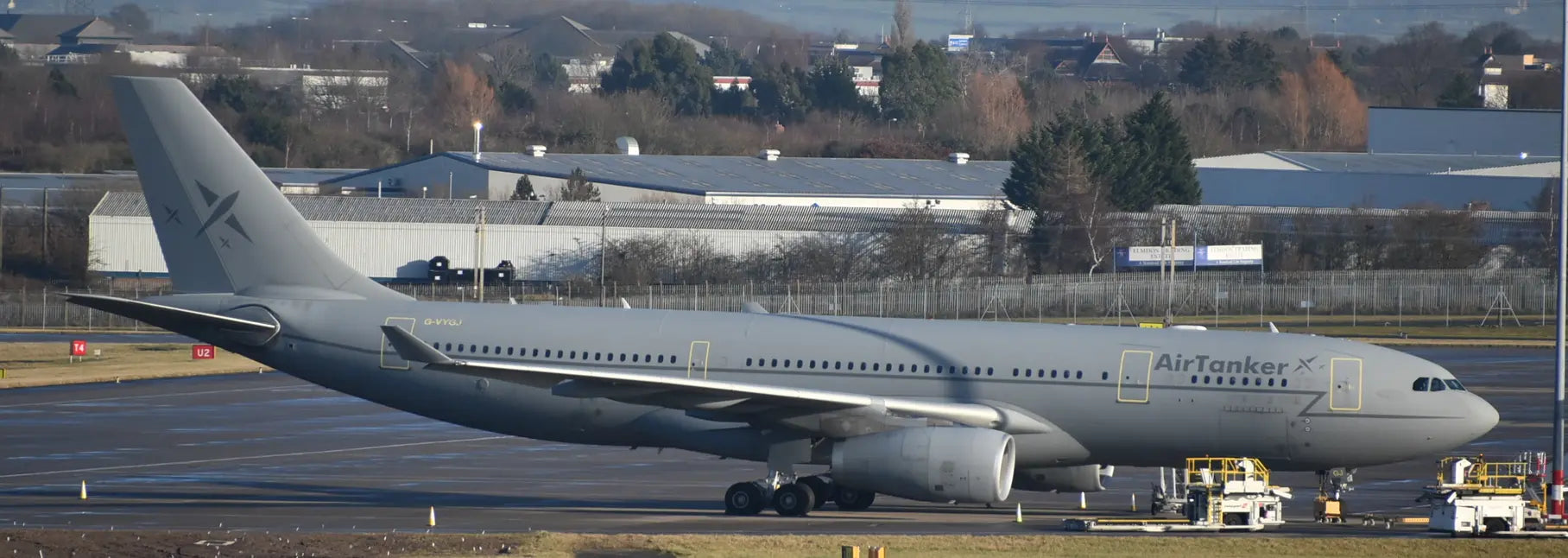


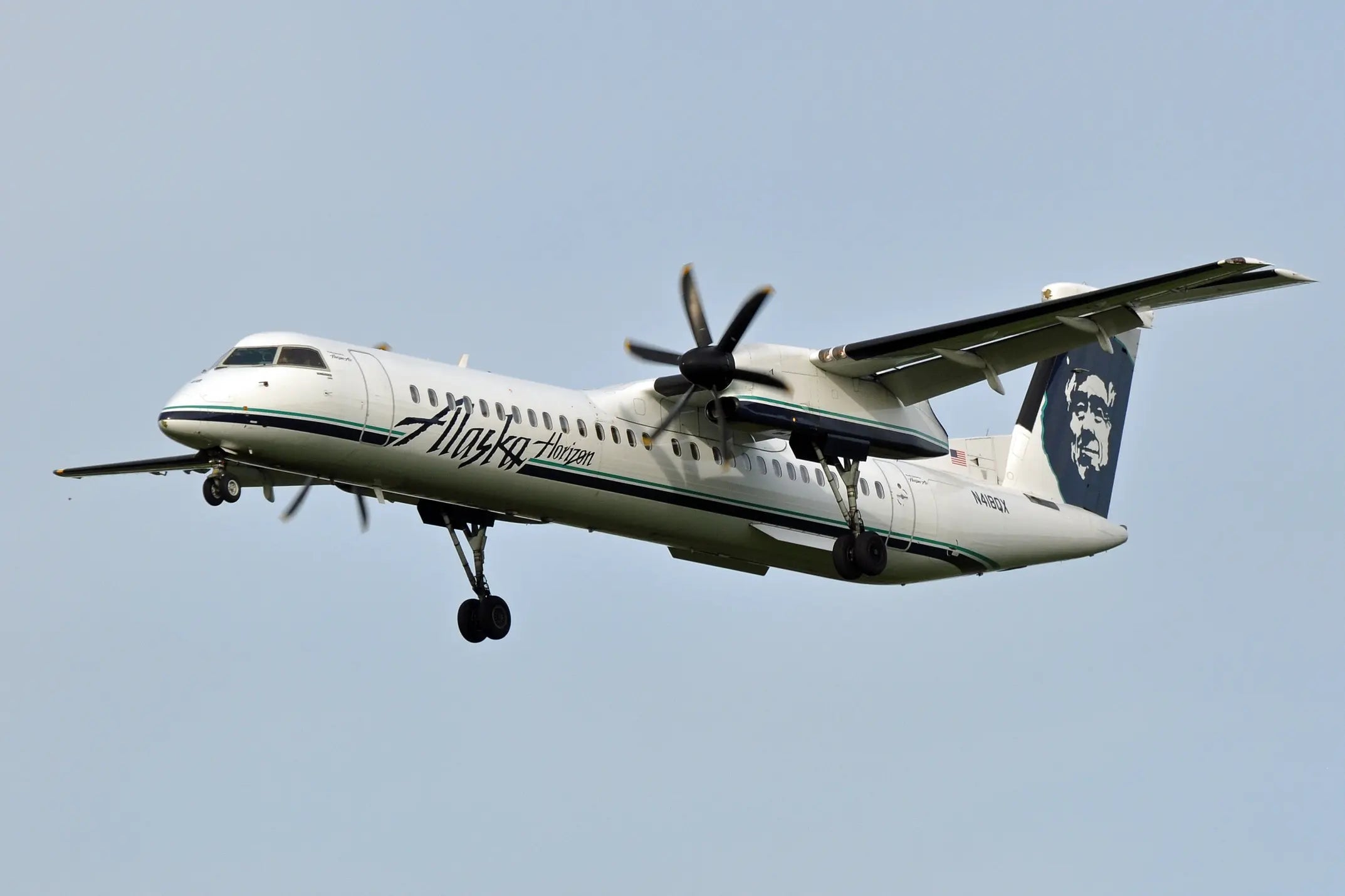
Aleutian Airways Overview & Company Profile
Aleutian Airways is a Part 121 regional carrier operating throughout Alaska, launched on November 16, 2022 to restore scheduled air service to the remote communities of the Aleutian Islands. The airline is operated by Sterling Airways, Inc. (doing business as Aleutian Airways) under a joint venture between Wexford Capital LP and McKinley Alaska Private Investment. Its corporate office and maintenance hangar are located at Ted Stevens Anchorage International Airport (ANC), where all pilot operations are based.
While young compared to Alaska's legacy operators, Aleutian has become a critical lifeline for Western Alaska following the collapse of Ravn Alaska in August 2025 and the insolvency of Kenai Aviation later that year. In late 2025 the U.S. Department of Transportation awarded Aleutian Airways three Essential Air Service contracts covering St. Paul Island, Unalakleet, and St. Mary's, with federal subsidies starting at $14.9 million in Year 1 and rising to $16.7 million in Year 4. This makes Sterling Airways (through its Aleutian and Argentum brands) the second largest recipient of EAS funding in the state, behind only Alaska Airlines.
For pilots, Aleutian Airways represents a distinctive opportunity: a small, growing Part 121 operator flying 30-seat turboprops in one of the most challenging weather environments in North America, with a culture built around community service, local hiring, and a schedule that sends every crew home at night. The carrier currently flies the Saab 2000 throughout Southwest Alaska and, as of early 2026, operates the ATR 42-600 through a sister carrier, Argentum Airways, on shorter high-frequency routes to Kenai and Homer.
Sterling Airways, Inc. is the FAA-certificated air carrier that operates Aleutian Airways. Owned by Wexford Capital LP, Sterling also operates Argentum Airways, which took over the ATR-600 fleet from the defunct Silver Airways in 2025. Together, Sterling's two brands form a unified Alaska network: Saab 2000s on long Aleutian Chain legs, ATR 42-600s on shorter high-frequency routes. Pilots are hired by Sterling Airways but are typed and rostered on one of the two fleets depending on operational needs.
Fleet Composition: Saab 2000 & ATR-600
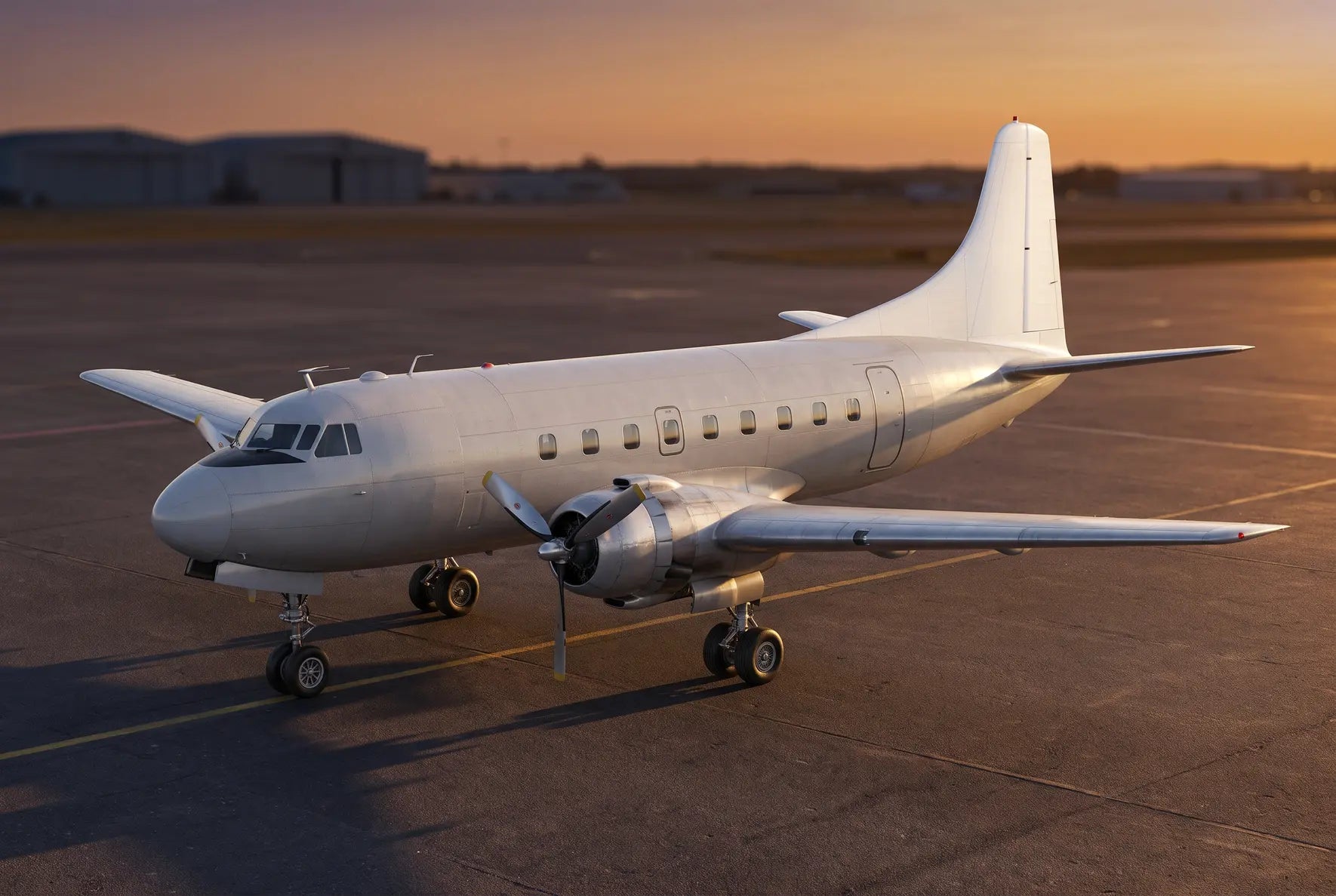
Aleutian Airways operates a compact, turboprop-only fleet built specifically for the demands of Alaskan regional flying: short gravel and paved runways, severe crosswinds, high-altitude ice, and long legs over water to the Aleutian Chain. The backbone remains the Swedish-built Saab 2000, a 30-to-50-seat high-speed turboprop powered by two Rolls-Royce AE 2100 engines. In early 2026 the fleet was supplemented by its first ATR 42-600, opening access to communities like St. Mary's that require gravel-strip capability and a wing-over design.
| Aircraft Type | Role | In Service | Routes / Notes |
|---|---|---|---|
| Saab 2000 | 30-seat regional turboprop | 5 (plus 2 announced for 2025) | Backbone fleet. Anchorage to Dutch Harbor, Cold Bay, Sand Point, King Salmon, St. Paul, Unalakleet. |
| ATR 42-600 | 46-seat regional turboprop | 1 (delivered Jan 2026) | Operated by Argentum Airways in Aleutian livery. Kenai, Homer, and future St. Mary's service. |
| ATR 72-600 | Large regional turboprop | 2 planned | Announced for Argentum fleet to support Aleutian network. Capacity up to 78 seats (may be reduced to avoid TSA screening). |
Fleet data current as of early 2026. Saab 2000 registrations on file with the FAA include N683SA, N25UE, N462PA, N531JA, and N681SA. The first ATR 42-600 (N406SV, MSN 1405) arrived at ANC on January 4, 2026, after being leased from Azorra.
Why the Saab 2000?
The Saab 2000 is an unusual choice in the modern regional landscape, with most of the global fleet now retired. For Alaska, however, it remains nearly ideal. The aircraft cruises at 365 knots, giving it roughly twice the block speed of a Cessna 208 Caravan on the long Anchorage to Dutch Harbor leg (typically 3 hours of over-water flying). Its powerful Rolls-Royce engines provide strong short-field performance and hot-and-high capability, while the fuselage is pressurized to FL310, letting crews climb above weather that would ground lower-flying Part 135 operators. The trade-off is an ageing airframe: most Saab 2000s in service worldwide were delivered in the mid-1990s, meaning pilots fly an analog-era cockpit augmented with modern avionics upgrades.
Why the ATR 42-600?
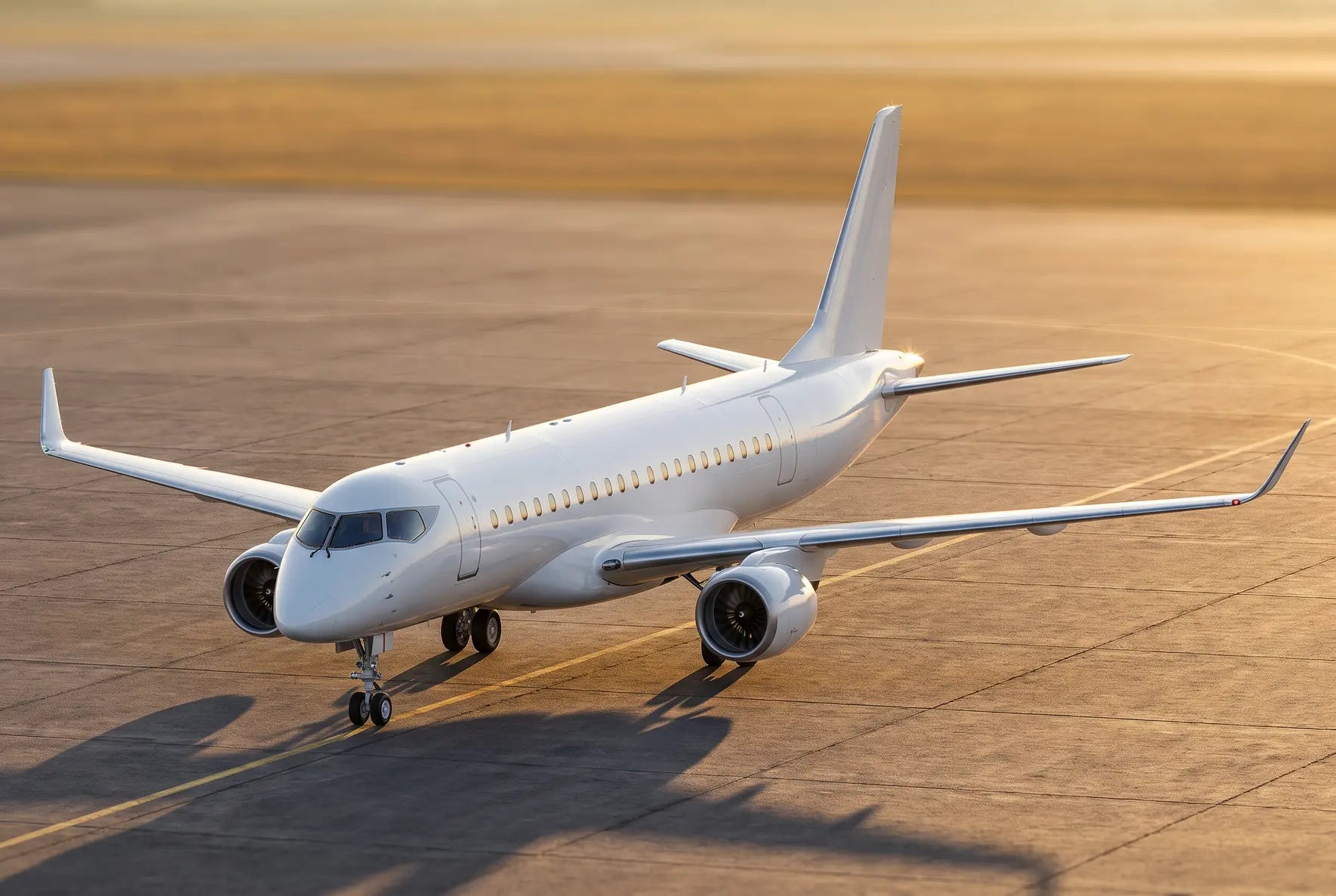
Adding the ATR 42-600 was a strategic move. The Saab 2000's "wing-under" configuration (engines mounted below the wing) is poorly suited for unpaved or gravel runways because debris can be ingested into the intakes. The ATR 42 uses a high-wing "wing-over" design, which keeps the engines safely clear of surface debris. That single difference unlocked St. Mary's, a village of roughly 500 people on a gravel strip, and gave Aleutian a viable platform for the high-frequency Kenai and Homer routes. The ATR 42-600 seats 46 passengers and burns significantly less fuel per block hour than the Saab 2000, making it ideal for shorter sectors.
New hire First Officers are typically placed on the Saab 2000, with ground school delivered in Anchorage and simulator training at a third-party facility in Orlando (MCO). Aleutian Airways does not appear to require candidates to arrive with a Saab 2000 type rating already in hand, though pilot databases note that recent Saab experience is strongly preferred. ATR-600 positions sit under Argentum Airways and are filled in part by former Silver Airways pilots who joined the Sterling group after Silver's June 2025 liquidation. Inter-fleet movement will likely formalize as the ATR fleet grows.
Pilot Salary & Compensation Breakdown
Aleutian Airways pays on an annualized salary basis rather than the hourly block-time structure used by most U.S. Part 121 regionals. That structure is common among small regional carriers with relatively consistent monthly utilization. While specific contract pay scales are not publicly published (the pilot group is non-union, so there is no collective agreement to reference), publicly available recruiting data and pilot-career databases provide a consistent picture of entry-level and captain earnings.
First Officer Pay Scale
| Seniority | Annual Base (Gross) | Implied Hourly Equivalent | Notes |
|---|---|---|---|
| Year 1 (new hire) | ~$65,000 | ~$54 / block hr | Starting salary on Saab 2000. Posted figures range from $50k to $65k depending on experience. |
| Year 2 | ~$70,000 to $75,000 | ~$58 to $63 / block hr | Standard step increase. Specific contractual progression not published. |
| Year 3 to 5 | ~$75,000 to $85,000 | ~$63 to $71 / block hr | Senior F/O pay. Some pilots upgrade to Captain in this window. |
Figures are gross annual estimates based on public recruiting postings and pilot-career databases. Hourly equivalents assume a typical regional block figure of 1,200 block hours per year. Actual take-home depends on the pilot's federal and Alaska tax situation (Alaska has no state income tax, a material advantage).
Captain Pay Scale
| Seniority | Annual Base (Gross) | Implied Hourly Equivalent | Notes |
|---|---|---|---|
| Entry Captain (Saab 2000) | ~$100,000 | ~$83 / block hr | Starting Captain pay on upgrade. Requires successful command checkride. |
| Captain, 3 to 5 yrs | ~$110,000 to $120,000 | ~$92 to $100 / block hr | Estimated based on small-carrier pay progressions. |
| Senior Captain / Check Airman | ~$125,000 to $140,000 | ~$104 to $117 / block hr | Includes instructor, check airman, or training roles. |
Senior Captain earnings can rise further through voluntary overtime, training override pay, and the Dutch Harbor qualification bonus detailed below.
Bonuses & Premiums
Aleutian Airways pays a notable $10,000 annual bonus for pilots who complete the Dutch Harbor (Unalaska) route qualification, according to published job listings on Skybound Jobs and other industry boards. Dutch Harbor is an infamously demanding destination due to extreme crosswinds, wind-shear, and frequent low-visibility approaches. Pilots typically qualify for the bonus after a supervised route-check program on the Anchorage to Unalaska sector. Other premiums likely include standard per-diem payments for out-and-back day trips (on the rare occasions a crew overnights away from Anchorage), as well as training pay during initial and recurrent courses.
These figures are estimates compiled from public recruiting postings, AirlinePilotCentral.com's Sterling Airways profile, discussion threads on Jetcareers, and general industry benchmarks for 30-seat turboprop Part 121 operators. Aleutian Airways does not publish a contract pay scale, and as a non-union operator there is no collective agreement governing compensation. Actual offers vary by experience level and may change as the airline grows. Candidates should verify current pay directly with Aleutian Airways recruiting and treat all figures here as directional rather than precise.
Roster Pattern & Quality of Life
The single most distinctive feature of flying for Aleutian Airways is the home-every-night schedule. Unlike most Alaska bush and regional operators, which rely on two-week on / two-week off rotations or multi-day overnight trips, Aleutian's network is structured around day turns out of Anchorage. The longest legs, notably Anchorage to Dutch Harbor (roughly 3 hours one way), are flown as out-and-back duty days. Pilots sleep in their own beds, spend their days off in their own home, and avoid the extensive hotel-and-travel logistics that characterize commuting for larger regionals.
For pilots with families, partners, or a life built around Anchorage, this is an enormous quality-of-life advantage. The carrier markets it directly on its careers page, stating that pilots can "enjoy a dependable schedule that gets you home every night." Duty periods are governed by the FAA's Part 117 Flight and Duty Time regulations, which cap daily flight time at 8 hours for a two-pilot crew and set mandatory rest periods between duty days.
📅 Sample Month: Saab 2000 First Officer (Anchorage Base)
Because Aleutian operates to weather-sensitive destinations, schedule disruption is a regular part of the job. Low visibility in Dutch Harbor or crosswinds above Saab 2000 limits at St. Paul Island can cancel trips with little notice. In those cases, crews are typically released back to Anchorage or held on standby. The airline has built its operation around this reality, and its reserve and standby lines exist specifically to absorb weather-driven disruptions without burning crews out on unexpected overnights.
Because there is only one base, all Aleutian pilots live in or near Anchorage. The city is a compact urban area of approximately 290,000 people with relatively affordable rentals compared to coastal Alaska hubs (a decent one-bedroom apartment in Anchorage runs roughly $1,400 to $1,800 per month as of 2025). Alaska has no state income tax and residents receive an annual dividend from the Permanent Fund (around $1,700 in 2024), which partially offsets the higher cost of food and fuel in the state. The outdoor recreation access (fishing, hiking, skiing, hunting) is considered world-class and is frequently cited by current Aleutian pilots as a primary reason they stay.
Benefits, Travel Perks & Retirement
Benefits at Aleutian Airways follow a standard U.S. regional airline template rather than the more elaborate packages found at legacy mainline carriers. There is no dedicated pilot pension, no profit-sharing agreement negotiated with a union, and no mainline partner to grant jumpseat or interline travel privileges. What the airline does provide is a functional benefits package with a notable employer contribution to health savings and a 401(k) match.
Unlike unionized regionals where the full benefits package is published in the collective bargaining agreement, Aleutian Airways does not disclose detailed plan summaries publicly. The information above is drawn from the airline's own careers page language, public job postings on third-party boards, and pilot-career databases. Candidates should request the full benefits summary during the interview process and verify matching percentages, waiting periods, and HSA contribution amounts in writing before accepting an offer.
Because Aleutian Airways operates only to Alaska destinations, a non-resident pilot cannot realistically commute to work on the airline's own metal. There is no confirmed reciprocal jumpseat agreement with Alaska Airlines, which is the dominant mainline carrier between the Lower 48 and Anchorage. This is a significant consideration: pilots choosing Aleutian should plan on relocating permanently to the Anchorage area rather than attempting to commute from the contiguous United States.
Career Progression & Upgrade Path
Because Aleutian Airways is a small and rapidly growing carrier, the career trajectory is fundamentally different from a mature regional like Horizon Air or SkyWest. There is no published seniority list or standardized upgrade timeline. Instead, progression is driven by hiring waves, aircraft deliveries, and the qualifications of individual pilots. This creates both opportunity (fast upgrade for well-qualified First Officers) and uncertainty (no guarantee of predictable career pacing).
The carrier explicitly markets a "hire for attitude, train for skill" culture and states that it advances from within. In practice this means most Captain vacancies are filled internally as the fleet grows, with the Saab 2000 serving as the primary upgrade platform. As the ATR-600 fleet expands under the Argentum certificate, new transition opportunities are likely to emerge for qualified Captains and First Officers.
| Career Milestone | Typical Timeline | Notes |
|---|---|---|
| Initial hire as F/O (Saab 2000) | Day 1 post-training | Ground school in Anchorage, simulator in Orlando (MCO). Training paid by the company. |
| Dutch Harbor qualification | 3 to 6 months | Supervised route-check program. Unlocks $10,000 annual bonus. |
| Senior F/O / line check airman | 1 to 3 years | Opportunity to step into training or check-airman roles depending on qualifications. |
| Captain upgrade (Saab 2000) | 2 to 5 years (estimated) | Based on fleet growth and departures. No formal published timeline. Requires FAA ATP with 1,500 hours, plus PIC turbine minimums. |
| ATR-600 transition (future) | Variable | Via Argentum Airways. Selection process not publicly formalized. |
| Training Captain / TRI / TRE | Variable | Requires separate selection and instructor qualification. |
These timelines are editorial estimates based on Aleutian's growth trajectory (adding the ATR fleet in 2025 and 2026) and industry norms for small Part 121 operators. Individual upgrade speed depends on ATP qualification, PIC hours, and company need.
Aleutian Airways has secured four-year EAS contracts for St. Paul, Unalakleet, and St. Mary's, running through December 31, 2029. Combined with announced Saab 2000 additions and two forthcoming ATR 72-600s for the Argentum fleet, the airline is on a clear growth path. For pilots evaluating career timing, this suggests continued hiring throughout 2026 and 2027, faster-than-average Captain upgrades compared with legacy regionals, and potentially opportunities to become an early-seniority Captain on the ATR fleet. The main risk is execution: small carriers can grow quickly but can also contract quickly if contracts are lost or if industry conditions change.
The recent history of Alaska regional aviation highlights a real job-security concern. Ravn Alaska collapsed in August 2025, and Kenai Aviation ceased operations later the same year, citing pandemic-era debt. PenAir, the original Aleutian Islands operator, filed for bankruptcy in 2019. Aleutian Airways itself is partly staffed by former PenAir and Ravn pilots. EAS subsidies provide a measure of revenue stability, but no small Alaska regional is immune to operational or financial shock. Pilots should weigh this carefully against the alternative career path of aiming directly for a mainline regional like Horizon Air or a major legacy carrier.
Recruitment Process & Requirements
Aleutian Airways recruits on a rolling basis as operational demand and fleet growth require. The process is considerably simpler than at large mainline regionals, without the multi-stage psychometric testing found at Horizon Air or SkyWest. Sterling Airways publishes openings on its careers portal, on AirlinePilotCentral, and on industry job boards such as Skybound Jobs and AviaNation.
First Officer Requirements
Captain Requirements
Selection Stages
Application & Resume Screen
Apply via the Sterling Airways applicant portal or through the careers page at flyaleutian.com. Include FAA certificate numbers, total time, PIC time, turbine time, and multi-engine time. Recent flying experience is weighted heavily.
Initial Phone / Video Interview
HR-style screening call covering flying background, motivation for relocating to Alaska, and willingness to commit to the Anchorage base. This stage filters out candidates who are looking to commute or who lack the hours for the specific position.
Technical Interview
Panel interview with a chief pilot, check airman, or line pilot. Expect ATP-level technical questions (aerodynamics, systems on your current type, regulations, icing, Part 117 FTL), plus situational CRM scenarios. Captain candidates face deeper questioning on leadership, decision-making, and weather.
Simulator Evaluation (Captain candidates)
Captain applicants may be asked to perform a simulator evaluation, typically in a generic turboprop or Saab 2000 sim. First Officer candidates may or may not receive a sim evaluation depending on current experience level and workload.
Offer, Class 1 Medical, Training Date
Successful candidates receive a conditional offer subject to a current FAA First-Class medical, a clean pre-employment drug screen, and background checks under the Pilot Records Improvement Act (PRIA) and Pilot Records Database (PRD). Training begins with ground school in Anchorage, followed by simulator training in Orlando.
Because Aleutian Airways is a small operation, cultural fit weighs heavily. Candidates who demonstrate genuine commitment to Alaska (outdoor hobbies, willingness to relocate permanently, family-friendly priorities) tend to stand out. Interviewers will probe for any sign that a candidate plans to use Aleutian as a short stepping stone to a major. Having concrete ties to Anchorage (family, prior Alaska flying, a spouse with a local job) is often the single most useful differentiator. Technical preparation should include Part 117 FTL rules, icing physiology and equipment, Saab 2000 familiarity if applicable, and thorough knowledge of your current aircraft type.
Route Network & Alaska Flying Environment
Aleutian Airways does not offer the traditional multi-day layover lifestyle associated with wide-body flying. Instead, the network is built around day turns from Anchorage to some of the most challenging airfields in North America. For pilots who love hands-on flying, adverse-weather approaches, and real stick-and-rudder operations, the route map is the appeal. For pilots seeking exotic foreign layovers, this is clearly the wrong airline. Below are the key destinations, each associated with its own operational signature.
Flying a Saab 2000 out of Anchorage is a genuinely demanding Part 121 environment. Pilots routinely contend with moderate to severe airframe icing, wind shifts of 40 knots or more, low ceilings hugging minimums, volcanic ash from the Aleutian arc, and turbulence rolling off the Alaska Range. Augmented by the FAA's Part 117 Flight and Duty Time regulations, the operation prioritizes conservative dispatch over route completion. Many Aleutian Captains cite the flying itself as the main reason they stay: the skills developed here, especially in crosswind landings and weather decision-making, are recognized throughout the U.S. industry.
How Aleutian Airways Compares: Airline Radar Chart
How does Aleutian Airways compare with other Alaska regional operators a pilot might realistically choose between? With Ravn Alaska's August 2025 shutdown and Kenai Aviation's late-2025 insolvency, the pool of active Alaska regional carriers has shrunk considerably. Below is an editorial comparison of Aleutian Airways against two currently operating Alaska regionals: Grant Aviation (Part 135 commuter operating Cessna 208s and piston twins) and Bering Air (Part 135 / 121 regional serving the Bering Strait and Norton Sound regions). Scores are editorial estimates drawn from publicly available data, pilot-career databases, and industry benchmarks.
Key Takeaways from the Comparison
Aleutian Airways wins decisively on work-life balance. The home-every-night schedule is genuinely rare in Alaska regional aviation. Grant Aviation pilots often fly multi-day circuits with out-station overnights, and Bering Air crews frequently stay out in Nome or other field stations. Aleutian's schedule is closer to a mainline commuter pattern than a bush operation, which is a material daily-life advantage for pilots with partners, children, or a settled life in Anchorage.
Captain pay at Aleutian sits in a tight range with its peers. Aleutian's entry Captain salary around $100,000 is roughly comparable to senior Captain earnings at Grant Aviation (where annual pay ranges around $82,000 to $152,000 across fleets, according to public pilot-career data) and modestly higher than Bering Air's typical commuter pay. However, none of these carriers matches the $130,000+ entry Captain pay now offered at Horizon Air or major mainline regionals following industry-wide contract upgrades.
Fleet modernity modestly favors Aleutian. The Saab 2000 is an older platform, but the addition of the ATR 42-600 in January 2026 begins to modernize the operation. Grant Aviation's Cessna 208 and piston Navajo fleet is older still, though fit for purpose. Bering Air operates a mixed turboprop fleet, generally in comparable condition.
Job security is a mixed picture across all three. Aleutian's EAS contracts run through 2029 and provide meaningful revenue stability, but the carrier is small. Grant Aviation has operated continuously for several decades and has a proven track record. Bering Air has a similarly long tenure. None of these carriers offers the security of a mainline major.
Scores are editorial estimates based on publicly available salary data on AirlinePilotCentral, airline career pages, union publications (where applicable), Glassdoor employee reviews, and industry benchmarks. They represent a general assessment for a pilot evaluating a medium-term career at an Alaska regional. Individual experiences vary significantly based on seniority, base, fleet, and personal priorities. Scores for comparison airlines will be updated as dedicated guides are published.
Union & Industrial Relations
Aleutian Airways, operating under the Sterling Airways certificate, is a non-union carrier. There is no ALPA (Air Line Pilots Association), Teamsters, or other certified bargaining unit representing the pilot group. Terms of employment, pay scales, and work rules are set by the company rather than governed by a collective bargaining agreement (CBA). This is typical of small Part 121 operators that emerged post-2020, particularly in the Alaska regional space.
What Non-Union Status Means in Practice
The absence of a CBA has both positive and negative implications for pilots. On the positive side, employment terms can be more flexible, the company can adjust schedules and compensation to respond to growth, and there are no union dues (typically 1% to 2% of gross pay at unionized regionals). Decision-making is faster, and informal access to chief pilots and management is easier at a carrier of this size.
On the negative side, pilots have no contractual protection against pay reductions, furloughs, or work-rule changes beyond what federal and Alaska labor law provides. Scheduling practices, bidding systems, and reserve rules can be changed unilaterally. There is no formal grievance procedure, which means disputes with management must be resolved individually or informally. Benefits packages such as Loss of Licence coverage, supplementary disability insurance, and long-term disability are at the employer's discretion rather than negotiated.
Industry Context
Many U.S. regional pilots are represented by ALPA or the Teamsters. Horizon Air, SkyWest, Endeavor Air, and most mainline regionals all have collective agreements. Within Alaska specifically, some operators are unionized and some are not. Grant Aviation and Bering Air have historically been non-union. Ravn Alaska pilots were represented by ALPA prior to the carrier's closure. Alaska Airlines and Horizon Air pilots are both ALPA-represented, and any pilot who uses Aleutian as a stepping stone to those carriers will likely encounter a very different industrial-relations culture.
There is no publicly reported history of industrial action, strikes, or significant labor disputes at Aleutian Airways since its 2022 launch. Given the small pilot group size (estimated in the low dozens) and the carrier's growth trajectory, any future unionization campaign would require a significant organizing effort, though such campaigns have succeeded at similarly sized operators historically.
A non-union environment at a small carrier is not inherently better or worse than a unionized environment at a larger one. What matters is the quality of management, the stability of the business, and the clarity of employment terms. Aleutian Airways has a stated "hire for attitude, train for skill" culture that suggests a relatively personal employer-employee relationship. Pilots evaluating an offer should specifically request written confirmation of pay scales, health plan details, PTO accrual, 401(k) match percentage, and any probationary terms, since none of these are available through a publicly posted CBA.
Verdict: Who Is Aleutian Airways For?
🎯 Our Take
Aleutian Airways is a niche carrier that will not suit every pilot, but for the right candidate it offers a combination of advantages unavailable elsewhere in U.S. Part 121 aviation: a genuine home-every-night schedule, demanding and skill-building flying in one of the world's most challenging weather environments, and a growth runway backed by multi-year Essential Air Service contracts. The airline is small, which means each pilot has a direct voice in operations and a potentially faster upgrade path than at large mainline regionals.
The trade-offs are equally real. Salaries are modest by modern U.S. regional standards, with entry First Officer pay around $65,000 and entry Captain pay around $100,000. There is no union, no published pay scale, and no dedicated pilot pension. The base is Anchorage-only, which makes commuting from the Lower 48 impractical. The fleet is centered on the aging Saab 2000, and while the addition of the ATR 42-600 signals modernization, the pilot group remains fewer than 30 crew members as of early 2026. Recent Alaska regional history, including the collapses of Ravn Alaska and Kenai Aviation in 2025, reinforces the need to weigh job security carefully.
For pilots who genuinely want to live in Alaska, who value stick-and-rudder flying over type-rating prestige, and who prioritize daily life with their family over maximum compensation, Aleutian Airways offers a career experience that is increasingly rare in modern U.S. aviation.
1 Is Aleutian Airways the same company as Sterling Airways?
Yes. Aleutian Airways is the consumer-facing brand, while Sterling Airways, Inc. is the FAA-certificated air carrier that actually holds the Part 121 operating certificate. Sterling Airways does business as Aleutian Airways for its Alaska operations and also operates Argentum Airways, a sister carrier that handles the ATR-600 fleet. All pilot employment contracts are formally with Sterling Airways.
2 Does Aleutian Airways pay for the Saab 2000 type rating?
Yes. The company provides type-rating training for new hire pilots, combining ground school in Anchorage with simulator training at a third-party facility in Orlando, Florida. Candidates are not expected to arrive with a Saab 2000 type rating already in hand, though prior Saab experience can be a significant advantage in the selection process. Some employment contracts may include a training repayment agreement if a pilot leaves within a defined period post-training.
3 How long does it take to upgrade to Captain?
There is no published upgrade timeline. Given Aleutian Airways' small fleet, active growth trajectory, and the ongoing addition of the ATR-600 alongside the Saab 2000, upgrades are estimated to run in the 2-to-5-year range for qualified First Officers. This is significantly faster than most mainline regionals, but is contingent on fleet growth, retirements, and the individual pilot's ATP qualification and PIC turbine time. Upgrade is not guaranteed and requires a successful command training program plus a Part 121 PIC checkride.
4 Can I commute from the Lower 48?
Not realistically. Aleutian Airways operates only within Alaska, so there is no company route that brings commuting pilots from the contiguous United States to Anchorage. There is no confirmed reciprocal jumpseat agreement with Alaska Airlines. Pilots are expected to live in or near Anchorage, and the airline's selection process specifically probes candidates' willingness to relocate permanently. If commuting is a priority, Aleutian Airways is not the right choice.
5 What is the Dutch Harbor qualification?
The Dutch Harbor qualification is a route-specific checkout program for pilots operating the Anchorage to Unalaska sector. Because Dutch Harbor's airport combines a short runway, severe crosswinds, frequent low-visibility approaches, and unique terrain interactions, the airline requires supervised operational experience before a pilot can fly the route as a regular crew member. On completion, Aleutian Airways pays a reported $10,000 annual bonus to qualified pilots, recognizing both the skill requirement and the operational demand on the flagship route.
6 Is Aleutian Airways a good first airline job?
It can be an excellent first airline for the right candidate. The combination of Part 121 turbine time, a demanding flying environment, and a structured training program builds skills that are highly transferable to mainline carriers. Accumulating Saab 2000 type-rating time and Alaska weather experience will differentiate a resume at future interviews. The downsides for a first-timer are the modest entry pay, the lack of union protections, and the practical requirement to relocate to Alaska. For pilots who view Aleutian as a 3-to-5-year stepping stone rather than a career destination, the resume-building value is real.
7 What happens if the EAS contracts aren't renewed in 2029?
The current Essential Air Service contracts for St. Paul, St. Mary's, and Unalakleet run through December 31, 2029. These contracts are rebid by the U.S. Department of Transportation every four years, and there is no guarantee Aleutian Airways will retain them. That said, the carrier's EAS awards were accompanied by strong community support from tribal governments and local leaders, which is given "substantial weight" under federal law. The unsubsidized core routes to Dutch Harbor, Sand Point, Cold Bay, and King Salmon are not dependent on EAS and would likely continue regardless. Pilots weighing this should recognize that EAS represents meaningful but not total revenue stability.
8 How does Aleutian pay compare to Horizon Air or SkyWest?
Directly, Aleutian Airways pays less than the mainline regionals in gross dollar terms. Following the 2022 to 2023 industry-wide regional contract upgrades, first-year First Officer pay at Horizon Air, SkyWest, and other major regionals can exceed $90,000, with top-out Captain pay surpassing $200,000. Aleutian's $65,000 First Officer and $100,000 Captain starting pay is materially lower. However, Aleutian offers a home-every-night schedule and Alaska's lack of state income tax, which materially offsets the gap for pilots who prioritize quality of life and take-home pay over gross compensation. Pilots targeting maximum earnings should aim for a mainline regional directly.
Official Links & Resources
Before applying to Aleutian Airways or making any career decisions, verify current information directly with official sources. The career data landscape for small Part 121 operators changes frequently as hiring needs and contracts evolve.
Because Aleutian Airways is a small and fast-moving operation, public data sources can lag behind actual hiring needs. The most efficient path for serious candidates is to email a resume and cover letter directly to the careers address on flyaleutian.com even if no posting is currently live, and to network through Alaska pilot communities. Many current Aleutian pilots are former PenAir or Ravn crew, and personal referrals remain a significant hiring channel for the airline.
- 01Overview & Company Profile
- 02Fleet: Saab 2000 & ATR-600
- 03Salary & Compensation
- 04Roster & Quality of Life
- 05Benefits & Retirement
- 06Career Progression
- 07Recruitment & Requirements
- 08Route Network & Alaska Flying
- 09Airline Comparison
- 10Union & Industrial Relations
- 11Verdict & FAQ
- 12Links & Resources