History and Development of the Pilatus PC-12: From Swiss Innovation to Global Turboprop Leader
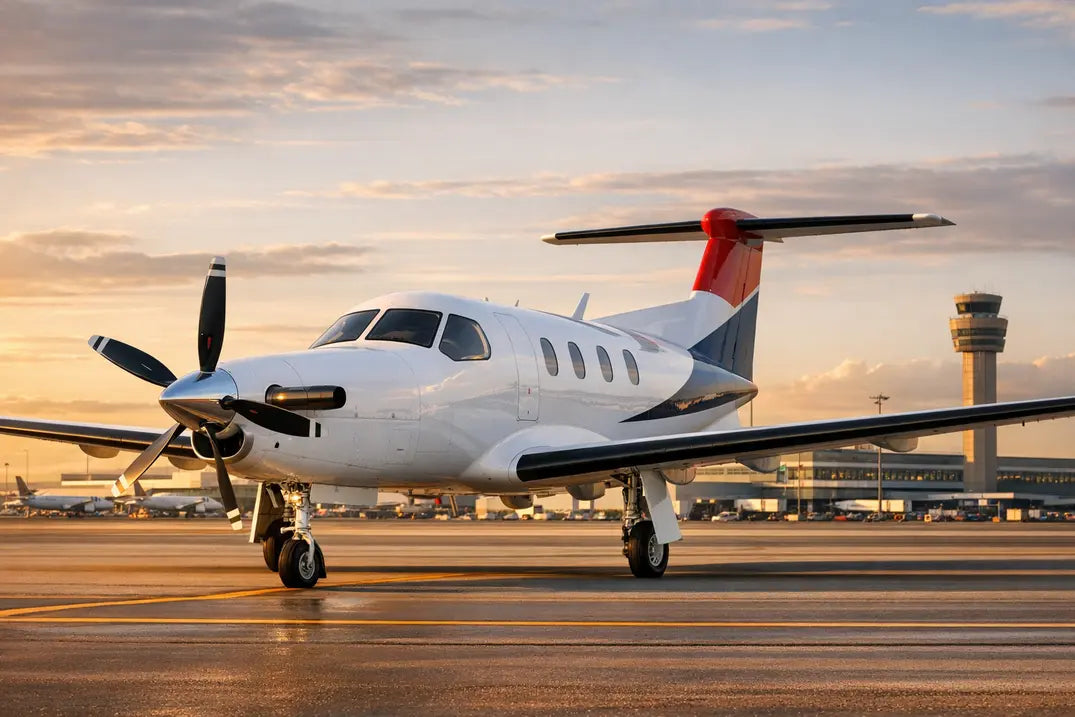
The Pilatus PC-12 is a pressurised, single engine turboprop aircraft designed and manufactured by Pilatus Aircraft Ltd, the only Swiss company that develops, produces and sells aircraft to customers worldwide. Founded in 1939 and headquartered in Stans, Switzerland, Pilatus built its reputation with rugged utility aircraft such as the PC-6 Porter before turning its ambition toward the business and commuter aviation market. The PC-12 programme was conceived to fill a gap for a versatile, large cabin, single engine turboprop capable of operating from short and unpaved airstrips while delivering pressurised comfort at turboprop economics.
Pilatus publicly announced the PC-12 programme in October 1989 at the National Business Aviation Association (NBAA) convention, although prototype assembly was already underway in Stans. Two prototypes were completed, and the first prototype took to the skies on 31 May 1991. During flight testing, engineers redesigned the wing with an increased span and added winglets, which improved performance but delayed the certification timeline. The Swiss Federal Office of Civil Aviation (FOCA) granted the type certificate on 30 March 1994, followed by FAA certification on 15 July 1994. Customer deliveries began shortly after, marking the start of what would become the best selling pressurised single engine turboprop in aviation history.
The initial production model, the PC-12/41, was powered by a Pratt & Whitney Canada PT6A-67B engine flat rated at 1,200 shp and featured a four blade Hartzell propeller, a maximum takeoff weight (MTOW) of 4,500 kg (9,920 lb), and basic Honeywell avionics. Known ice certification followed on 20 December 1995, retroactively applicable to earlier serial numbers. In 1996, the PC-12/45 arrived with minor performance refinements while retaining the same core engine and systems. A further evolution, the PC-12/47, received FOCA approval on 14 December 2005 for an increased MTOW of 4,700 kg (10,450 lb), along with stall system modifications, Flettner anti servo tabs on the ailerons, and 45° canted wingtips.
A major generational leap came with the PC-12/47E, commonly known as the PC-12 NG (Next Generation), certified on 28 March 2008. This variant introduced the Honeywell Primus Apex glass cockpit and an upgraded PT6A-67P engine with improved climb and cruise performance. Over its production run, Pilatus progressively added a five blade Hartzell composite propeller (standard from 2015, MSN 1576), LED exterior and cabin lighting, electric landing gear actuation, and a wireless connected flight deck. The 1,000th PC-12 was delivered in June 2010, underscoring the type's commercial success.
The latest and current production variant, the PC-12 NGX, was announced at the October 2019 NBAA convention with both EASA and FAA certification already secured. Customer deliveries started in April 2020. The NGX represents a substantial upgrade in powerplant, avionics and cabin experience, building on more than two decades of continuous refinement. By May 2023, Pilatus celebrated the delivery of the 2,000th PC-12, with the global fleet surpassing 10 million flight hours.
What Sets the Pilatus PC-12 NGX Apart from Earlier Variants
The PC-12 NGX is distinguished from the PC-12 NG primarily by its Pratt & Whitney Canada PT6E-67XP engine, which integrates full authority digital engine control (FADEC). This enables autothrottle functionality, a low speed propeller mode that significantly reduces cabin noise, and the ability to operate without fuel anti icing additives. The avionics suite advances to a Honeywell Epic 2.0 platform with touchscreen displays and cursor control, paired with a standard cockpit voice and flight data recorder (CVFDR). Inside the cabin, the NGX features BMW designed fully reclining seats and windows that are 10% larger than those on the NG. Maximum cruise speed rises to approximately 290 knots TAS, compared with 280 knots on the NG, while the standard five blade composite propeller saves roughly 7 lb over its predecessor. Both share the same 4,700 kg MTOW and retain the ability to operate from short, unpaved runways.
Key variant identifiers across the PC-12 family include:
- PC-12/41 and PC-12/45: PT6A-67B engine, four blade propeller, 4,500 kg MTOW, basic Honeywell analogue avionics
- PC-12/47: PT6A-67B engine, increased MTOW to 4,700 kg, canted wingtips, stall system improvements
- PC-12/47E (NG): PT6A-67P engine, Honeywell Primus Apex glass cockpit, five blade propeller (from 2015), 4,700 kg MTOW, 280 knots TAS cruise
- PC-12 NGX: PT6E-67XP with FADEC and autothrottle, Honeywell Epic 2.0 avionics, standard five blade propeller, BMW cabin, 290 knots TAS cruise
For questions about specific aircraft types or to discuss aviation topics further, feel free to get in touch with the Ready for Takeoff team.

A Pilatus PC-12 aircraft from the Royal Flying Doctor Service of Australia is seen in mid-flight against a clear blue sky. The plane is used for medical and emergency services in remote locations.
Pilatus PC-12 NGX Technical Specifications, Systems and Engine Overview
The Pilatus PC-12 NGX is a pressurised, single engine turboprop built to bridge the gap between rugged utility and business aviation comfort. Designed from the outset for versatility, the airframe accommodates executive passenger transport, cargo hauling, air ambulance and special mission roles without structural modification. Its low wing loading, trailing link landing gear and large aft cargo door allow operations from short, unpaved strips that would be inaccessible to most cabin class turboprops or light jets. This combination of field performance, range and cabin volume has made the PC-12 family one of the best selling single engine turboprops in history, with well over 1,900 units delivered since the original variant entered service in 1994.
The NGX, certified in 2019, represents the third major generation of the PC-12 platform. It retains the proven airframe dimensions and pressurised fuselage of the earlier PC-12 NG while introducing a new engine variant with full authority digital engine control (FADEC), an upgraded Honeywell based avionics suite, autothrottle and a low speed propeller mode that reduces cabin noise on the ground and during approach. For operators comparing single engine turboprops with light jets or even versatile types such as the Airbus A300B4 200 in the widebody freighter world, the PC-12 NGX occupies a unique niche where operational flexibility outweighs outright speed.
- Overall length: 14.4 m (47 ft 3 in)
- Wingspan: 16.28 m (53 ft 5 in)
- Height: 4.26 m (14 ft 0 in)
- Cabin dimensions: approximately 1.47 m (4 ft 10 in) high, 1.52 m (5 ft 0 in) wide and 5.16 m (16 ft 11 in) long
- Typical seating: 6 to 9 passengers, single pilot certified
- Maximum takeoff weight (MTOW): 4,740 kg (10,450 lb)
- Fuel capacity: approximately 1,521 litres (402 US gal / 2,704 lb)
- Engine: one Pratt & Whitney Canada PT6E-67XP turboprop, rated at 1,200 shp, driving a Hartzell five blade fully feathering propeller
- Maximum cruise speed: 290 KTAS (537 km/h) at optimum altitude
- Range (high speed cruise, VFR reserves): up to approximately 1,803 NM (3,338 km); seats full payload range is lower, around 1,057 NM
- Service ceiling: 30,000 ft (9,144 m), pressurised cabin
- Takeoff distance over 50 ft: approximately 793 m (2,602 ft) at MTOW, sea level ISA
- Landing distance over 50 ft: approximately 661 m (2,170 ft)
- Avionics: Pilatus Advanced Cockpit Environment (ACE), based on Honeywell Primus Epic 2.0, with four 10 inch LCD displays, synthetic vision and digital autothrottle
- De icing: certified for flight into known icing (FIKI); pneumatic boots on wings and empennage, electrically heated windshield, exhaust heated engine intake
Systems, Avionics and Handling Technology
The PC-12 NGX cockpit centres on the Pilatus ACE suite, which integrates flight management, engine monitoring, weather radar overlay and electronic checklists into a unified interface. Two primary flight displays and two multifunction displays are arranged for single pilot workflow, with cursor control devices and an optional touchscreen controller. A three axis autopilot coupled to the autothrottle helps manage workload during cruise, approach and go around phases. The FADEC on the PT6E-67XP automates power management across all flight regimes, eliminating the traditional condition and power levers in favour of a single power lever, which reduces pilot workload and the risk of manual over torque.
The electrical architecture uses a split bus dual system with two main 24 V batteries and a dedicated emergency battery for essential bus continuity. Dual ADAHRS units and dual GPS receivers with WAAS provide navigation redundancy, and the aircraft is RVSM capable for high altitude airways. ADS-B In and Out, Mode S transponders and optional traffic collision avoidance round out the surveillance package. AOPA notes the PC-12 NGX as a benchmark for single pilot turboprop cockpit integration.
Published performance figures for the PC-12 NGX can vary depending on the source and the assumptions behind them. Range is particularly sensitive to passenger count, cabin configuration, reserve policy (VFR versus IFR), cruise speed selection and atmospheric conditions. Takeoff and landing distances change with airfield elevation, temperature and runway surface. Operators fitting optional equipment or heavier interior configurations will see a reduction in useful payload. For this reason, figures quoted in manufacturer brochures typically represent optimum conditions, and real world mission planning requires careful weight and balance calculation using the approved flight manual.
The PT6E-67XP Engine: Heritage, Technology and Applications
The PC-12 NGX is powered by the Pratt & Whitney Canada PT6E-67XP, a 1,200 shp class turboprop that belongs to the legendary PT6 engine family. Pratt & Whitney Canada began developing the PT6 in the late 1950s as a compact, reliable free turbine engine for light aircraft. The prototype first ran on a test bench in 1960 and completed its maiden flight on 30 May 1961 aboard a modified Beech 18 testbed. The first production variant, the PT6A-6, entered service in 1964 on the Beech King Air, and the family has been in continuous production ever since. By 2023, Pratt & Whitney Canada had delivered over 64,000 PT6 engines, accumulating hundreds of millions of flight hours across fixed wing, rotary wing and industrial applications.
The PT6E-67XP differs from the earlier PT6A-67P used in the PC-12 NG primarily through its integrated dual channel FADEC system. This electronic engine control replaces the hydromechanical fuel control unit of the PT6A series, providing automatic power scheduling from startup to shutdown. The engine retains the proven reverse flow annular combustion chamber and free turbine architecture of the PT6 family but adds comprehensive health monitoring and trend data that can be downloaded after each flight for predictive maintenance analysis. The FADEC also enables the autothrottle function and the low speed propeller mode unique to the NGX, which reduces propeller RPM on the ground to lower noise and vibration in the cabin.
The broader PT6 family powers a remarkably wide range of aircraft. Variants of the PT6A are found on the Beechcraft King Air series, Cessna Caravan and Grand Caravan EX, Piper Cheyenne, de Havilland Canada DHC-6 Twin Otter and numerous military trainers and utility platforms worldwide. Turboshaft derivatives such as the PT6T power helicopters including the Bell 212 and Bell 412. The engine's reputation for reliability in austere environments and its extensive global support network are key reasons why Pilatus selected the PT6 family for every generation of the PC-12.
Pilatus PC-12 vs PC-12 NG, NGX and Spectre: Specifications Comparison
Scroll horizontally to see more →
| Parameter | Pilatus PC-12 | PC-12 NG | PC-12 NGX | PC-12 Spectre |
|---|---|---|---|---|
| Entry into service | 1994 | 2008 | 2020 | 2012 |
| Engines | 1 × PT6A-67B | 1 × PT6A-67P | 1 × PT6E-67XP | 1 × PT6A-67P |
| Length | 14.4 m | 14.4 m | 14.4 m | 14.4 m |
| Wingspan | 16.3 m | 16.3 m | 16.3 m | 16.3 m |
| Height | 4.3 m | 4.3 m | 4.3 m | 4.3 m |
| Typical seating and layout | Executive: 6–9 passengers | Executive: 6–9 passengers | Executive: 6–9 passengers | Special mission: 6–9 passengers |
| MTOW | 4.7 t | 4.7 t | 4.9 t | 4.7 t |
| Range | 1,845 nm | 1,845 nm | 1,803 nm | 1,600 nm |
| Cruise speed | 0.47 Mach | 0.47 Mach | 0.48 Mach | 0.47 Mach |
| Service ceiling | 30,000 ft | 30,000 ft | 30,000 ft | 30,000 ft |
| Program note | Original production model, certified 1994 | NG upgrade with more powerful engine, enhanced avionics | Latest NGX with digital engine control, autothrottle, quieter | M variant for special missions (air ambulance, surveillance) |
Scroll horizontally to see more →
The table compares key specs across the Pilatus PC-12 family, from the 1994 baseline to the NG (2008), NGX (2020) and mission-focused Spectre (2012). All share the same dimensions, seating range and 30,000 ft ceiling, but differ in engine variants, MTOW and performance. The NGX stands out with higher MTOW (4.9 t) and newer digital engine control/autothrottle, while the original and NG list the longest range at 1,845 nm; Spectre trades range (1,600 nm) for special-mission capability.
Pilatus PC-12 Typical Missions, Routes and Operators Around the World
With more than 2,000 units delivered since 1994 and over 11 million flight hours logged worldwide, the Pilatus PC-12 has established itself as one of the most versatile single engine turboprops in commercial aviation. Its combination of a pressurised cabin, short field capability and a range of up to 1,845 nautical miles (3,417 km) makes it suitable for a wide variety of missions, from executive charter and scheduled commuter services to air ambulance, cargo, law enforcement and military intelligence operations.
Typical sector lengths for the Pilatus PC-12 in charter and commuter service fall between 300 and 800 nautical miles, translating into flights of roughly one to three hours at a high speed cruise of 285 knots (528 km/h). Operators focused on regional scheduled services or medevac rotations often fly multiple short sectors per day, with annual fleet utilisation figures in the range of 800 to 1,000 hours for the busiest airframes. According to Flying Magazine, the fleet leader, a PC-12 based in Canada, has accumulated more than 35,000 hours, and 71 airframes have individually exceeded 20,000 hours.
A key strength of the Pilatus PC-12 is its ability to operate from unpaved runways, including grass, gravel and dirt strips, with a takeoff distance of approximately 2,602 feet (793 m) over a 50 foot obstacle. This makes the aircraft ideal for point to point operations between remote airfields that lack paved infrastructure, as well as for hub and spoke networks linking secondary airports to larger regional centres. Operators in remote areas of Australia, northern Canada and Africa rely on this rough field performance to reach communities that would otherwise be inaccessible by fixed wing aircraft.
Operational challenges for Pilatus PC-12 operators include the inherent single engine risk profile, which can limit certain overwater or extended range operations, and payload versus range trade offs at maximum takeoff weight of 10,450 lb (4,740 kg). Maintenance support availability in remote regions also plays a role, although the proven Pratt & Whitney Canada PT6A-67P engine and its long overhaul intervals help keep direct operating costs competitive.
Where the Pilatus PC-12 Operates Worldwide
The Pilatus PC-12 is a genuinely global aircraft. In North America, it serves as the backbone of several Essential Air Service routes and fractional ownership programmes, connecting small communities across the United States and supporting critical air ambulance operations in Canada. In South America, the type appears mainly in private and corporate roles. Across Europe, the aircraft is popular with fractional ownership providers and charter companies, taking advantage of its ability to access the continent's extensive network of smaller aerodromes. In Africa, operators deploy the Pilatus PC-12 for safari transfers, mining support and regional charter in environments where unpaved strips are the norm. In Asia and Australia, the type serves emergency medical, government and charter missions across vast distances, with the Royal Flying Doctor Service of Australia standing as one of the largest operators worldwide. The United States Air Force Special Operations Command also operates a militarised variant designated U-28A for intelligence, surveillance and reconnaissance missions.
- North & South America: PlaneSense (United States) operates a fleet of 44 Pilatus PC-12s, making it one of the largest fractional providers of the type. Tradewind Aviation (United States) flies around 30 aircraft on scheduled and charter services across the northeastern US, the Caribbean and the Bahamas. Boutique Air (United States) uses 21 Pilatus PC-12s on government subsidised Essential Air Service routes linking underserved communities. ORNGE (Canada) deploys 10 aircraft for air ambulance operations from bases such as Thunder Bay and Sioux Lookout, reaching remote communities in Ontario. North Star Air (Canada) operates eight aircraft for passenger, charter and cargo flights to remote destinations in northwestern Ontario. In South America, the type appears predominantly in private and corporate use.
- Europe: Jetfly offers fractional ownership of the Pilatus PC-12 with access to more than 3,000 airports across the continent, including short strips such as Belle Île and La Môle in France. Haute Aviation (Switzerland) operates two PC-12 NGX aircraft for domestic Swiss charter flights. ASL Group (Belgium) includes the PC-12 NG in its charter fleet for business and medical missions. These operators benefit from the aircraft's flexibility to serve secondary and regional aerodromes throughout Europe.
- Africa: Auric Air (Tanzania) has expanded its fleet to at least two Pilatus PC-12s for charter and scheduled services across East Africa. National Airways Corporation (South Africa) offers the type for charter with eight passenger seats. Kapama Air (South Africa) uses a PC-12 for luxury safari transfers from Johannesburg and Cape Town. The Pilatus PC-12 Centre Southern Africa provides dedicated maintenance support and planned to deliver five new PC-12 PRO aircraft to the region in 2026 for mining, construction and tourism operators.
- Asia & Australia: The Royal Flying Doctor Service (Australia) operates approximately 30 Pilatus PC-12s for emergency aeromedical retrievals and primary healthcare delivery across the remote Outback, making it one of the highest utilisation fleets globally. Western Australia Police uses two PC-12s for law enforcement across the state. In mainland Asia, the type is present in smaller numbers; Pilatus opened a regional headquarters in Chongqing, China, in 2012 to support sales and service across the Asia Pacific region. If you enjoy learning about aircraft that serve very different roles, you may also find interest in the Boeing 737 700, a narrow body workhorse widely used on short and medium haul routes.
Typical Seating Configurations on the Pilatus PC-12
The Pilatus PC-12 cabin measures approximately 5.16 feet (1.57 m) wide, 4.83 feet (1.47 m) high and 16.92 feet (5.16 m) long, with a flat floor and a fully enclosed lavatory. Its quick release seat system allows operators to reconfigure the interior in under an hour, adapting the same airframe from a passenger layout to a cargo or medevac configuration.
In executive and charter roles, the most common arrangement seats six passengers in a club style layout with two pairs of facing seats, offering generous legroom, full recline and premium leather upholstery. Many fractional and charter operators, including PlaneSense and Tradewind Aviation, favour this six seat configuration for comfort on flights of up to three hours. An eight seat layout adds a second row and is typical for operators balancing passenger count with cabin comfort. Commuter airlines such as Boutique Air and North Star Air configure the cabin with up to nine passenger seats to maximise revenue on scheduled routes, using forward facing seats with three point harnesses. Owner operated aircraft may carry a tenth occupant on the cockpit jumpseat, though this option is not available on commercial charter flights.
For air ambulance services, the seats are removed and replaced with a medical litter, monitoring equipment and space for medical crew, a layout used extensively by ORNGE in Canada and the Royal Flying Doctor Service in Australia. The large aft cargo door, measuring 53 × 52 inches (1.35 × 1.32 m), allows loading of stretchers and bulky equipment. More detailed specifications can be found on the official Pilatus PC-12 page. Newer variants such as the PC-12 NGX and the recently introduced PC-12 PRO feature taller seat backs, improved environmental controls and updated interior materials, but the core cabin dimensions and seating flexibility remain consistent across the production history.
In this video, discover Pilatus PC-12 PRO, the latest and most advanced single-engine aircraft. Join a flight with a test pilot over the Swiss Alps and see what sets this new model apart.
Pilatus PC‑12 Safety Record: Accident History and How Safe It Really Is
The Pilatus PC‑12 has been in service since 1994 and has built one of the strongest safety profiles among single engine turboprops. With a global fleet of more than 2,000 aircraft and over 10 million flight hours accumulated, the type is widely used for executive transport, cargo, air ambulance and utility missions on every continent. During the 2016 to 2020 period, the overall accident rate for the PC‑12 was reported at approximately 0.005%, and the fatal accident rate for that window was essentially zero. Over its full operational life, the lifetime fatal accident rate has been estimated at roughly 0.26 per 100,000 flight hours, which compares favourably with other aircraft in the same category such as the Socata TBM (approximately 1.1) and the Piper Meridian (approximately 1.77). These figures, compiled from Aviation Safety Network records and NTSB data, place the Pilatus PC‑12 among the safest single engine turboprops ever produced.
Notable Accidents and Lessons Learned
Despite its strong overall record, the PC‑12 has been involved in several serious accidents. A review of these events reveals recurring human factors themes, and in each case the aviation community has drawn important safety lessons.
- Butte, Montana (March 2009) – A PC‑12/45 operating under Part 91 crashed near Bert Mooney Airport while diverting, resulting in 14 fatalities. The NTSB investigation (AAR‑11/05) determined that the probable cause was the pilot’s inadequate preflight fuel planning, failure to address low fuel pressure from fuel system icing, and the resulting loss of control due to lateral fuel imbalance. The report led to recommendations for improved pilot training on fuel management in icing conditions, enhanced guidance for single pilot operations carrying large numbers of passengers, and a greater emphasis on diversion decision making.
- Chamberlain, South Dakota (November 2019) – A PC‑12/47E carrying 12 occupants on a private hunting trip crashed shortly after takeoff in conditions of icing, low visibility and low level windshear. Nine of the 12 occupants were fatally injured. The NTSB investigation examined the wreckage, flight controls, engine, and ADS‑B flight track data. Meteorological conditions and pilot decision making during the takeoff phase were central to the inquiry, reinforcing the importance of thorough weather assessment before departure.
- Amarillo, Texas (April 2017) – A PC‑12 impacted terrain near Rick Husband Amarillo International Airport at night. The NTSB concluded that the probable cause was the pilot’s spatial disorientation during a cruise climb in instrument meteorological conditions, resulting in loss of control. This accident highlighted the risks of single pilot night IFR flight and the critical importance of proficiency in instrument flying and spatial orientation awareness.
- Stagecoach, Nevada (February 2023) – A PC‑12/45 operating as an air ambulance under the Care Flight brand (Guardian Flight) broke apart in flight shortly after takeoff, killing all five occupants. The NTSB attributed the accident to the pilot’s loss of control due to spatial disorientation while hand flying in night IMC following an unexplained autopilot disengagement. Contributing factors included the operator’s insufficient flight risk assessment process and lack of organisational safety oversight, prompting recommendations aimed at strengthening safety management systems in air ambulance operations.
A common thread across these events is that the aircraft itself was not found to have mechanical or structural deficiencies. In each case, the probable causes centred on pilot decision making, situational awareness and operational management. The lessons drawn have reinforced industry emphasis on recurrent training, crew resource management (even in single pilot operations), and robust organisational safety cultures.
How Safe Is the Pilatus PC‑12 Today?
When accident rates are placed in context against traffic volume, the Pilatus PC‑12 stands out as a remarkably safe platform. With over 10 million flight hours and more than 2,000 aircraft delivered, the ratio of fatal events to total operations is very low. According to Air Facts Journal, only about 0.38% of the relevant North American fleet has been involved in a fatal accident over a recent decade long period, one of the best figures for any single engine turboprop.
The aircraft’s design philosophy plays a significant role. Pilatus built the PC‑12 around a conservative Swiss engineering approach in which safety is integrated from the earliest design stage rather than added later. Key features include a stall protection system with stick shaker and stick pusher (unique in its class), triple redundant electrical and fuel delivery systems, cabin seats rated to 16g and crew seats rated to 23g, an energy absorbing crumple zone in the nose structure, and no fuel or hydraulic lines running through the cabin. The proven Pratt & Whitney PT6A engine adds a further layer of reliability, backed by millions of hours of global turbine service. The aircraft is certified under FAR Part 23 and approved for day, night, VFR, IFR and flight into known icing conditions.
Regulatory oversight from the FAA and EASA ensures that airworthiness directives and mandatory service bulletins are applied across the fleet. Operators flying the PC‑12 in commercial roles such as charter and cargo missions are also subject to enhanced operational standards, including more rigorous maintenance schedules and crew training requirements. Pilatus itself promotes recurrent pilot training and supports a global network of authorised service centres.
In the broader context of transport safety, aviation remains one of the safest modes of travel. The Pilatus PC‑12, with its strong design philosophy, low accident rate relative to fleet size and flight hours, continuous regulatory scrutiny and evolving training standards, exemplifies the principles that make modern aviation so reliable. While no aircraft is immune to risk, the data consistently show that the PC‑12 is among the safest choices in the single engine turboprop category.
01 What is the range and typical mission profile of the Pilatus PC-12?
The Pilatus PC-12 offers a range of up to 1,845 nautical miles with high-speed cruise and VFR reserves, or around 1,600 nautical miles with four passengers and full fuel under NBAA IFR conditions. It excels in regional business trips, medical evacuations, and cargo missions, often flying nonstop across most domestic U.S. routes or to remote locations without refueling. Its short-field capability allows access to over 5,000 small airports unsuitable for jets.
02 How is the Pilatus PC-12 cabin configured for passenger comfort and noise levels?
The Pilatus PC-12 cabin accommodates 6 to 9 passengers in a pressurized layout with club seating, a refreshment galley, and a large rear cargo door for flexibility. It provides a quiet ride thanks to advanced propeller modes in newer NGX models and insulation that keeps noise low even at cruise. Passengers enjoy large windows, ample headroom, and a smooth flight above most turbulence at 30,000 feet.
03 Which operators use the Pilatus PC-12 and what routes do they fly?
Operators include private charter companies, air ambulances, cargo services, and some regional airlines like those in Switzerland and the U.S. for feeder routes. They commonly fly short-haul business trips, island-hopping in places like the Caribbean, outback routes in Australia, and medical transports to remote airstrips. The aircraft's versatility suits unpaved runways and rugged environments worldwide.
04 How does the Pilatus PC-12 perform compared to similar aircraft in fuel efficiency?
Powered by a reliable Pratt & Whitney PT6A-67P engine producing 1,200 shp, the Pilatus PC-12 cruises at 285 knots with fuel consumption around 250 liters per hour on a typical 500-mile trip. It outperforms many light jets in short-field operations and range while using less fuel per passenger mile than twins like the King Air. Operating costs average about $1,060 per hour, making it efficient for its class.
05 What is the safety record and key design features of the Pilatus PC-12?
The Pilatus PC-12 has a strong safety record due to its proven PT6 engine, dual angle-of-attack protection to prevent stalls, and redundant electrical systems with separate batteries. It features de-icing for wings, propellers, and windshield, plus certification for known ice and single-pilot IFR operations. Robust landing gear supports operations on grass, gravel, or short runways as little as 2,600 feet.
06 What should passengers know about flying on the Pilatus PC-12, like seats and turbulence?
Passengers can choose club seats facing each other for conversations or work, with all seats featuring power outlets and good legroom near the windows. The high 30,000-foot service ceiling helps avoid much of the turbulence experienced at lower altitudes in turboprops. Expect a stable ride with low vibration from the turboprop engine and easy access via the flat-floor cabin.