

WestJet Overview & Company Profile
WestJet is Canada's second-largest airline, headquartered in Calgary, Alberta. Founded in 1996 by Clive Beddoe and a group of investors who modelled the airline after Southwest Airlines, WestJet launched its first flights with just three Boeing 737-200 aircraft serving five Western Canadian cities. Over nearly three decades, the airline has transformed from a regional low-cost carrier into a full-service operator with intercontinental ambitions, a widebody fleet, and over 100 destinations spanning North America, the Caribbean, Europe, and Asia.
In 2019, Canadian private equity firm Onex Corporation acquired WestJet for approximately CA$5 billion, taking the airline private and accelerating a strategic pivot toward premium service and international expansion. Under CEO Alexis von Hoensbroech (appointed 2022), WestJet has integrated former subsidiaries Swoop (ultra-low-cost) and Sunwing Airlines (leisure charter) into the mainline brand, while WestJet Encore continues to operate regional Q400 turboprops to smaller communities across Western Canada. The airline employs over 14,000 people, including more than 2,300 mainline pilots represented by ALPA, and averages over 750 flights daily from bases across the country.
Fleet Composition & Type Ratings
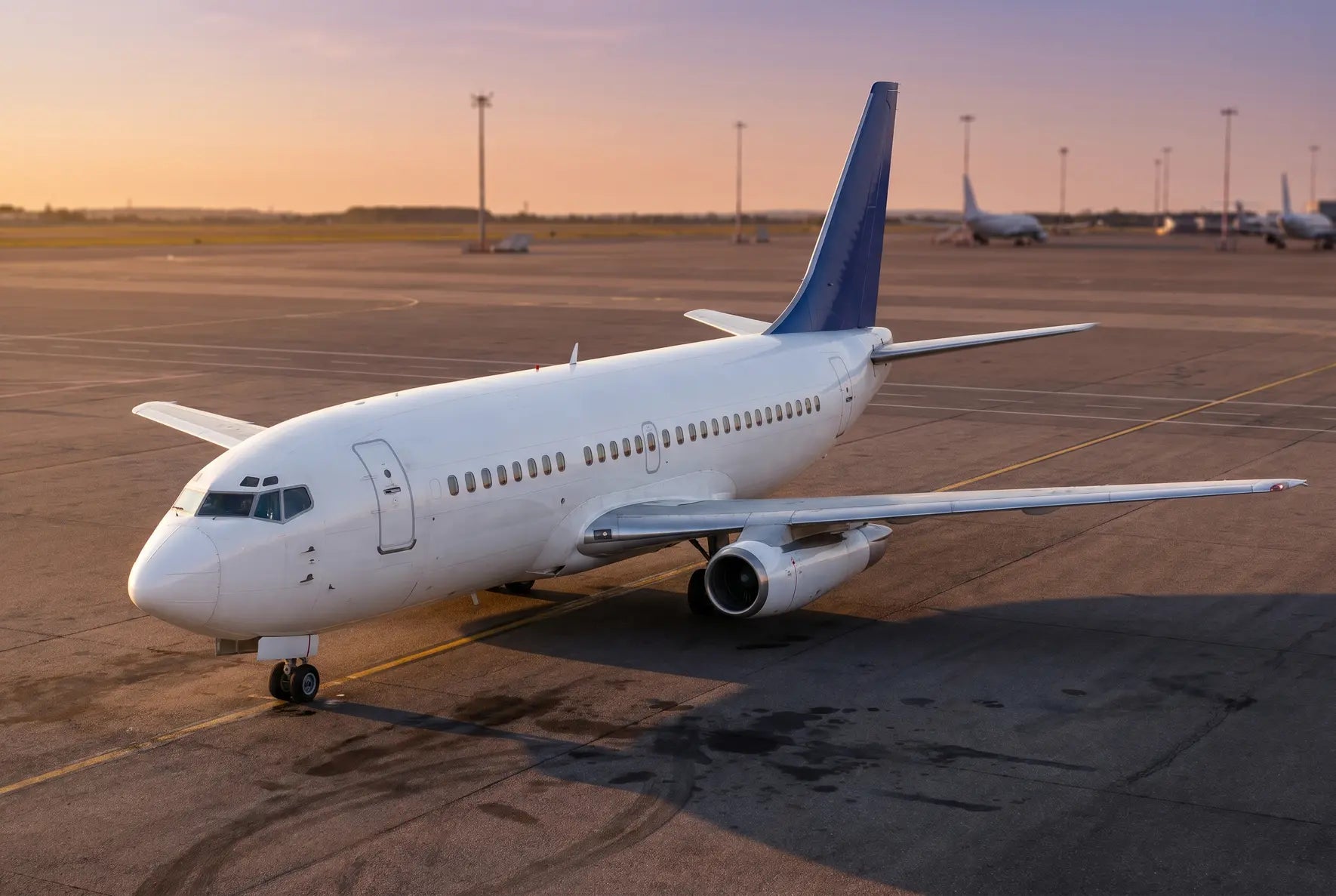
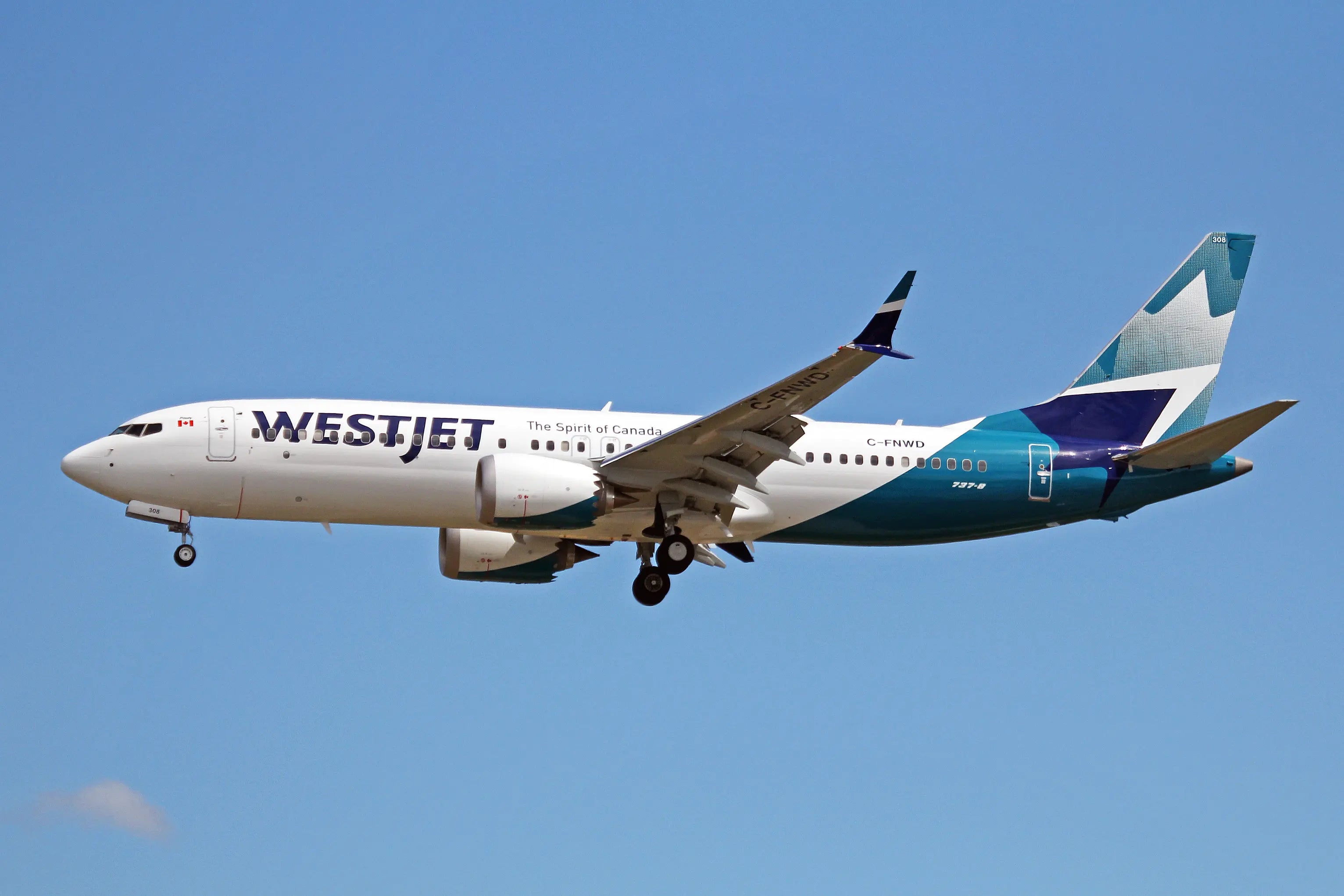
WestJet operates an all-Boeing mainline fleet, ranging from the narrowbody 737 family to the widebody 787-9 Dreamliner. The airline is in the midst of a historic fleet transformation: following the integration of aircraft from Swoop (6 MAX 8s), Lynx Air (9 MAX 8s), and Sunwing (9 MAX 8s and 10 737-800s), the fleet has grown rapidly. The 737 MAX 8 is now the most numerous type in the fleet, and WestJet has placed the largest aircraft order in its history: 67 Boeing aircraft announced in September 2025, including 60 737 MAX 10s and 7 additional 787-9 Dreamliners. The total outstanding order book stands at approximately 123 firm orders plus 47 options, with deliveries extending through 2034.
| Aircraft Type | Role | In Service | Routes / Notes |
|---|---|---|---|
| Boeing 737-700 | Narrowbody | 35 | Domestic and short-haul. Oldest type in fleet, planned for retirement as MAX deliveries continue. |
| Boeing 737-800 | Narrowbody | 55 | Workhorse for domestic, transborder, and sun destinations. Includes ex-Swoop and ex-Sunwing frames. |
| Boeing 737 MAX 8 | Narrowbody | 59 | Newest narrowbody. Domestic, transborder, Caribbean, and some longer routes (e.g., Toronto to Medellin). 9 more on firm order. |
| Boeing 737 MAX 10 | Narrowbody | 0 | 101 on firm order (WestJet is a launch customer). Certification expected 2026. Largest variant of 737 family. Deliveries through 2034. |
| Boeing 787-9 Dreamliner | Widebody | 7 | Long-haul international from Calgary: London, Paris, Rome, Dublin, Edinburgh, Barcelona, Tokyo, Seoul. 9 more on order. |
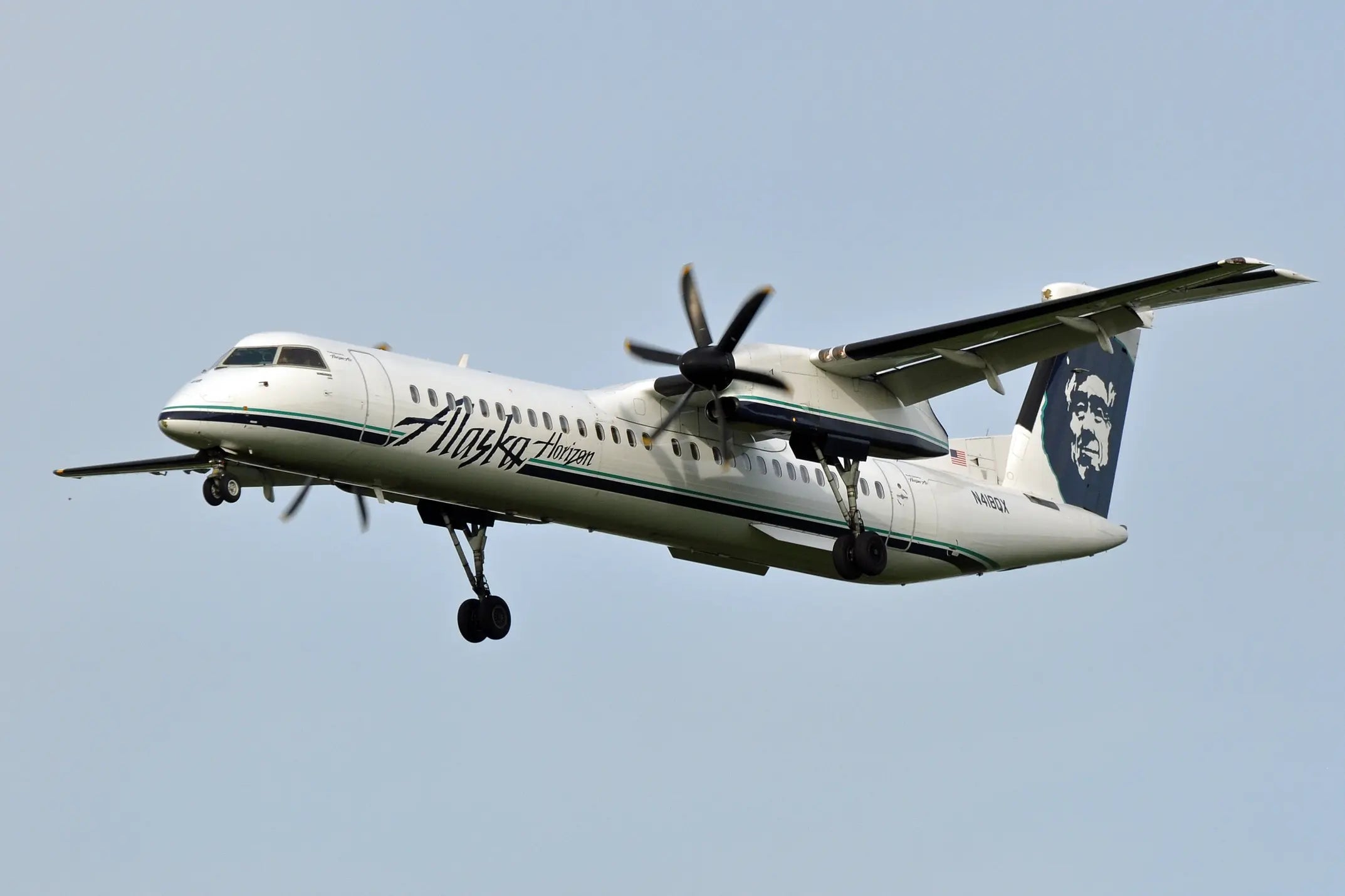
| De Havilland Q400 (Encore) | Regional Turboprop | 39 | Operated by WestJet Encore. Smaller communities across Western Canada. |
| Boeing 737-800BCF | Cargo Freighter | 3 | Converted freighters for cargo operations. |
Fleet data as of late 2025. Numbers are approximate and change with ongoing deliveries, retirements, and aircraft integrations.
WestJet's September 2025 order for 67 Boeing aircraft signals the airline's long-term commitment to an all-Boeing strategy. The 737 MAX 10, with its larger capacity and extended range compared to the MAX 8, will gradually replace older 737-700s and some 737-800s. Meanwhile, the 787-9 Dreamliner fleet will double from 7 to 16 aircraft, enabling new intercontinental routes from Calgary. WestJet has already announced Tokyo Narita and Seoul Incheon as Dreamliner destinations, and the additional frames will support further expansion to destinations in Asia and potentially South America. All type rating training for mainline pilots is conducted in partnership with CAE, as confirmed by a new long-term contract signed in 2025.
Pilot Salary & Compensation Breakdown
WestJet pilot salaries are governed by the ALPA collective agreement, which was last ratified in 2024 following months of tense negotiations that nearly led to a strike. The deal delivered a significant compensation uplift: a 15.5% hourly pay raise retroactive to January 1, 2024, plus a cumulative 8.5% increase through 2026, representing approximately 24% in total pay increases over four years and an additional CA$400 million in pilot compensation. Pay is calculated on a minimum monthly guarantee of 77.5 credit hours, with overtime kicking in above 82.5 hours at a 150% premium rate.
First Officer (F/O) Pay Scale
| Seniority | Hourly Rate (est. CAD) | Annual Gross (est. CAD) | Notes |
|---|---|---|---|
| Year 1 (entry) | ~$100 – $110/hr | ~$78,000 – $90,000 | Entry on 737 narrowbody |
| Year 3 – 5 | ~$140 – $169/hr | ~$110,000 – $135,000 | Post-probation, stable line holder |
| Year 7 – 10 | ~$185 – $208/hr | ~$150,000 – $175,000 | Senior F/O, potential 787 transition |
| Top of Scale (12+ yrs) | ~$210/hr | ~$188,000 | Maximum F/O rate before upgrade |
Estimates based on post-2024 ALPA agreement rates. Annual figures assume 77.5 monthly credit hours plus standard allowances.
Captain Pay Scale
| Seniority | Hourly Rate (est. CAD) | Annual Gross (est. CAD) | Notes |
|---|---|---|---|
| New Captain (Year 1) | ~$200 – $220/hr | ~$190,000 – $210,000 | Entry Captain on 737 narrowbody |
| Captain, 5 years | ~$250 – $270/hr | ~$215,000 – $250,000 | Mid-career Captain |
| Captain, 10 years | ~$280 – $300/hr | ~$260,000 – $290,000 | Senior Captain, may include 787 |
| Top of Scale (787 LH) | ~$335/hr | ~$310,000+ | Maximum Captain rate on widebody |
Top-of-scale 787 Captains can exceed CA$310,000 annually with overtime and allowances. Rates reflect post-2024 contract increases.
These figures are estimates compiled from AirlinePilotCentral, Aviation A2Z, industry reports, and pilot forum data. Actual compensation depends on the specific ALPA pay grid step, aircraft type, overtime hours, and allowances. The 2024 contract delivered a landmark 24% increase over four years, significantly improving WestJet's competitiveness versus Air Canada. Canadian federal income tax rates (up to ~33% at the top bracket) plus provincial tax apply. Pilots also benefit from the Employee Share Purchase plan (up to 20% salary matched by the company), which can effectively boost total compensation. Always verify with the latest ALPA WestJet MEC publications for current rates.
Roster Pattern & Quality of Life
WestJet operates under Canadian Aviation Regulations (CARs) for flight time limitations, combined with the ALPA collective agreement provisions. Pilots typically receive 14 to 16 days off per month, with working days organized into 4-day trip pairings. The monthly schedule is built through a social bidding system where seniority determines priority. Line holders typically work 12 to 15 days per month, averaging around 6.35 flight hours per working day. The minimum monthly guarantee is 77.5 credit hours, with overtime available above 82.5 hours via FLICA (the electronic trip trading system).
📅 Sample Month — Boeing 737 First Officer (YYC)
Long-haul 787 crews follow different patterns with longer layovers at overseas destinations (typically 24 to 48 hours in European and Asian cities). Augmented crews are used on ultra-long-haul sectors such as Calgary to Tokyo (approximately 10.5 hours), with rest facilities onboard. Narrowbody pilots on domestic and transborder routes typically finish multi-day pairings with overnight stays in Canadian or U.S. cities before returning to base.
WestJet offers six pilot bases across Canada: Calgary (YYC), Toronto (YYZ), Vancouver (YVR), Edmonton (YEG), Winnipeg (YWG), and Montreal (YUL). Calgary is the primary hub and the base where most new hires are initially placed. Base assignments and transfers are seniority-driven. Toronto serves as the secondary hub, particularly important for Eastern Canadian, Caribbean, and some European routes. Pilots not based in their preferred city can commute using staff travel benefits, though commuting in Canada comes with its own challenges given the distances involved. The collective agreement includes local night rest provisions (9 hours between 22:30 and 09:30).
Benefits, Travel Perks & Retirement
WestJet has historically prided itself on its employee-first culture, and the benefits package for pilots reflects this. While Canadian carriers generally offer less generous packages than European flag carriers with state-backed social systems, WestJet compensates through strong travel privileges, a competitive pension plan, and profit-sharing that directly ties pilot rewards to company performance.
The CAAT Pension Plan (Colleges of Applied Arts and Technology) is a multi-employer defined benefit plan that provides predictable retirement income. WestJet's enrollment means pilots benefit from a professionally managed, inflation-indexed pension without bearing market risk individually. The 10% employer contribution (vs. just 1% from the pilot) is one of the most favorable ratios in the Canadian aviation industry. This is a significant advantage over carriers that only offer RRSP matching, as defined benefit plans guarantee a set retirement income rather than depending on investment returns.
Career Progression & Seniority
Career progression at WestJet is seniority-based, following the standard North American airline model. Upgrade from First Officer to Captain, fleet transitions (from narrowbody to widebody), and base preferences are all determined by your position on the Pilot Seniority List (PSL). Unlike some European carriers, WestJet has historically accepted pilots at the First Officer level only, with all Captains promoted from within through the upgrade process. The most junior Captain on the AirlinePilotCentral database was hired in March 2006, suggesting an approximate upgrade timeline of 8 to 15 years depending on fleet growth, retirement waves, and hiring pace.
WestJet Encore serves as a natural feeder to the mainline operation. The Encore collective agreement includes a formal "Flow to WestJet" provision (Letter of Understanding No. 03), establishing a structured pathway for Encore pilots to transition to mainline operations while maintaining their career progression. This makes WestJet Encore an attractive entry point for lower-time pilots building hours toward the mainline.
| Career Milestone | Typical Timeline | Notes |
|---|---|---|
| WestJet Encore F/O (Q400) | Entry (750 hrs min.) | Regional entry point. Flow agreement to mainline available. |
| WestJet Mainline F/O (737) | Entry (2,000 hrs min.) | Direct hire to mainline. Most common entry fleet: 737-800 or MAX 8. |
| Senior F/O / 787 Transition | 5 – 10 years | Seniority-dependent bid to widebody. Limited slots given small 787 fleet. |
| Captain Upgrade (737) | ~8 – 15 years | Command assessment includes sim check and interview. Growth-dependent. |
| Captain on 787 Dreamliner | 15 – 20+ years | Top of seniority list. Intercontinental operations from Calgary. |
| Training Captain / Check Pilot | Variable | Separate selection. Incentive pay per Encore LOU 06. |
WestJet is entering a significant growth phase. The 123-aircraft order book (plus 47 options) means the fleet could grow by 50% or more over the next decade. The 787 Dreamliner fleet will double from 7 to 16 frames, creating new widebody Captain and F/O positions. The 737 MAX 10 will begin entering service around 2026, opening additional narrowbody seats. Combined with natural attrition (the age cap controversy in 2025 highlighted that 44 pilots were over 65, with approximately 200 more reaching that threshold within five years), upgrade timelines are expected to compress. For pilots joining now, the outlook for career progression is more favorable than at any point in the airline's recent history.
Recruitment Process & Requirements
WestJet recruits pilots through its official careers portal on a rolling basis. Unlike some European carriers with annual cadet campaigns, WestJet posts pilot vacancies as operational needs arise. The airline does not currently operate a formal ab-initio cadet programme, although WestJet Encore functions as a stepping stone for lower-time pilots through the Flow to WestJet agreement.
WestJet Mainline — Requirements
WestJet Encore — Requirements
Selection Stages
Online Application
Submit through the WestJet careers portal with resume, flight time records, license copies, and supporting documents. Automated screening filters for minimum qualifications.
Video or Phone Interview
Initial screening interview (often via HireVue platform). Focus on motivation, CRM skills, situational judgment, and cultural fit. Behavioral questions are standard.
Technical Assessment & Simulator
Candidates invited to a full-day assessment at WestJet's Calgary training centre. Includes technical knowledge testing, group exercises, and a simulator evaluation session (typically six 4-hour full-motion sim sessions during initial training, with an assessment component early in the process).
Final Interview & Background Check
Panel interview with management and line pilots. Drug screening, criminal background check, and reference verification. Transport Canada security clearance process initiated.
Conditional Offer & Training
Successful candidates receive a conditional offer. Initial ground school followed by type rating on the Boeing 737 (conducted in partnership with CAE). Line training under supervision before release to line operations. RAIC must be valid by end of ground school.
WestJet has been actively hiring to support its fleet expansion, running full training classes with strong demand for positions. The airline briefly explored hiring temporary foreign workers in 2024 but halted the initiative following union opposition. Focus remains on Canadian-authorized pilots. For international pilots, obtaining permanent residency in Canada before applying significantly improves prospects. WestJet Encore at 750 hours minimum is one of the lowest entry points among Canadian carriers, making it an excellent pathway for newly qualified pilots aiming for a mainline career.
Top 5 Layover Destinations
WestJet's widebody 787-9 Dreamliner operations from Calgary have opened up a world of intercontinental layover destinations for pilots. While the airline's narrowbody network focuses on domestic, transborder, and Caribbean routes (with shorter overnights), the 787 long-haul operation delivers genuine multi-day layovers in some of Europe's and Asia's most desirable cities. Layover durations on 787 routes are typically 24 to 48 hours, with augmented crews on the longest sectors.
787 layover destinations are assigned through the monthly bidding process, with seniority determining who gets the most popular trips. Crew hotels are contracted by WestJet, and transportation between the hotel and airport is provided. Additional seasonal European destinations include Edinburgh (EDI), Barcelona (BCN), and Seoul Incheon (ICN). As the 787 fleet doubles from 7 to 16 aircraft over the coming years, more intercontinental routes are expected, further expanding layover opportunities. Narrowbody crews also enjoy overnight layovers at Caribbean sun destinations like Cancun, Montego Bay, and Nassau during winter seasons.
How WestJet Compares: Airline Radar Chart
How does WestJet stack up against Canada's two other major pilot employers, Air Canada and Porter Airlines? Below is a comparative analysis across five key metrics. Air Canada is the nation's flag carrier with a far larger fleet and route network, while Porter Airlines is a rapidly growing competitor that recently expanded from turboprops to Embraer E195-E2 jets. All three airlines have pilots represented by ALPA.
Key Takeaways from the Comparison
Air Canada leads on salary and fleet diversity. Senior 787 Captains at Air Canada can earn up to CA$350,000 or more annually, with hourly rates reaching CA$390/hr. Air Canada operates a far larger and more diverse fleet (A220, A320, 737 MAX, A330, 787, 777) across 350+ aircraft, giving pilots more type rating and route variety. WestJet's 2024 contract narrowed the pay gap significantly, but Air Canada remains the top-paying Canadian carrier.
WestJet offers competitive quality of life with a growing network. Both WestJet and Air Canada provide similar days off (14 to 16 per month), but WestJet's six-base network and Calgary hub lifestyle appeal to pilots preferring Western Canada. The CAAT pension (10% employer, 1% pilot) is highly competitive. WestJet's culture, while evolving under Onex ownership, retains elements of its entrepreneurial roots.
Porter Airlines is a growing but smaller option. Porter recently expanded from the DHC-8-400 to the Embraer E195-E2 and joined ALPA in August 2025. Pay scales are lower than both WestJet and Air Canada, and fleet diversity is limited. However, Porter's Toronto Billy Bishop base is attractive for pilots wanting to live in downtown Toronto, and the airline's rapid growth could create fast upgrade opportunities.
Job security is strongest at Air Canada, given its flag carrier status, Star Alliance membership, and government support track record. WestJet, as a privately-held Onex property, has solid growth prospects but faces more uncertainty. Porter's small size makes it more vulnerable to market shifts, though demand for its Billy Bishop and E195 services remains strong.
Scores are editorial estimates based on publicly available salary data, collective agreement summaries, industry reports, pilot forums, and ALPA publications. They represent a general assessment for a pilot evaluating long-term career options in Canada. Individual experiences vary based on seniority, fleet assignment, base location, and personal priorities. All three airlines are ALPA-represented, which provides a degree of standardization in working conditions and protections.
Union & Industrial Relations
WestJet's pilot workforce was historically non-unionized, a point of pride for the airline's founders who modelled the company on Southwest Airlines' employee-ownership culture. That changed in May 2017, when WestJet pilots voted 62% in favor of joining ALPA (Air Line Pilots Association, International), following a failed 2015 attempt that achieved only 45%. The shift reflected growing concerns among pilots about health benefits, retirement security, fatigue management, and the need for formal legal protections in an increasingly complex operating environment. Today, the WestJet Airlines Master Executive Council represents over 2,300 mainline pilots based in six Canadian cities.
ALPA Representation Structure
Recent Labor Events & Key Disputes
WestJet's labor relations have matured significantly since unionization in 2017. The 2024 pilot contract was a watershed moment, delivering the largest pay increases in the airline's history and establishing WestJet pilots as competitively compensated within the Canadian market. The ALPA representation provides pilots with legal protections, grievance mechanisms, and collective bargaining power that were absent during the airline's first two decades. The ongoing age cap arbitration is an important case to watch, as its outcome could affect retirement planning for all WestJet pilots. For new recruits, ALPA membership is standard upon joining.
Verdict: Who Is WestJet For?
🎯 Our Take
WestJet occupies a unique position in the Canadian aviation landscape: it is no longer the scrappy low-cost startup it began as, but it is not yet the established flag carrier that Air Canada represents. For pilots, this translates into a carrier in the middle of a genuine growth story. The fleet is expanding by 50% or more over the next decade, the 787 Dreamliner program is doubling in size, the 737 MAX 10 will bring new capacity, and the 2024 ALPA contract delivered historic pay increases. Combined with a defined benefit pension (CAAT), six bases across Canada, and a feeder pathway from WestJet Encore, the airline offers a complete career from regional turboprop to intercontinental widebody Captain.
The trade-offs are worth noting: WestJet's private ownership under Onex means less financial transparency than a publicly traded airline, the age cap controversy has created uncertainty for senior pilots, and pay still trails Air Canada at the top end. The airline's rapid integration of Swoop and Sunwing has been operationally complex, and the 787 fleet remains small (7 aircraft), limiting widebody positions. Living costs in Calgary are lower than Toronto or Vancouver, but Calgary's winters are not for everyone.
For Canadian-authorized pilots seeking a growing carrier with strong compensation, solid benefits, multiple base options, and an expanding international network, WestJet is one of the strongest choices available today.
1 Do I need to be a Canadian citizen to fly for WestJet?
Not necessarily, but you must be legally entitled to work in Canada. This typically means being a Canadian citizen, permanent resident, or holding a valid work permit. You also need a valid Canadian passport (or PR Card with necessary visas for WestJet's network, including U.S. operations). WestJet briefly explored temporary foreign worker permits for pilots in 2024 but halted the initiative following ALPA opposition.
2 What is the minimum flight time to apply?
WestJet mainline requires a minimum of 2,000 total flight hours and a Transport Canada ATPL. WestJet Encore accepts First Officers with as few as 750 total hours, making it one of the lowest entry points among Canadian carriers. Encore pilots can then flow to the mainline through the formal Flow to WestJet agreement in the collective agreement.
3 How long does it take to upgrade to Captain?
Upgrade timelines are seniority-dependent and fluctuate with hiring, attrition, and fleet growth. Based on available data, the approximate timeline is 8 to 15 years. With the airline's significant fleet expansion (123 aircraft on order), upgrade timelines are expected to compress over the next decade. The most junior Captain listed on AirlinePilotCentral was hired in March 2006.
4 Does WestJet pay for type rating?
Yes. WestJet covers the cost of type rating for all pilots recruited through the official selection process. Type rating training is conducted in partnership with CAE on the Boeing 737 for mainline pilots and the Q400 for Encore pilots. Pilots transitioning to the 787 Dreamliner receive company-funded training as well.
5 What is the WestJet Encore flow-through program?
The WestJet Encore collective agreement includes a formal "Flow to WestJet" provision (Letter of Understanding No. 03). This establishes a structured pathway for Encore Q400 pilots to transition to WestJet mainline 737/787 operations. It allows Encore pilots to build seniority and experience at the regional level while having a defined route to mainline positions as they become available.
6 How does WestJet pay compare to Air Canada?
Air Canada remains the highest-paying Canadian carrier, with senior 787 Captains earning up to CA$350,000+ annually (hourly rates up to CA$390/hr). WestJet's 2024 contract significantly narrowed the gap, with top-of-scale 787 Captains earning approximately CA$310,000+. For First Officers, the difference is smaller. WestJet compensates partly through the CAAT pension plan (10% employer contribution vs. 1% pilot), which is one of the most favorable pension arrangements in Canadian aviation.
7 What happened with the pilot age cap?
In October 2025, WestJet introduced a policy preventing pilots over 65 from flying, citing ICAO regulations that prohibit over-65 pilots from operating in U.S. airspace or using U.S. alternate airports. Canada has no mandatory pilot retirement age. ALPA filed a grievance and sought an interim order. As of March 2026, an arbitrator has ordered WestJet to pause the policy while the case is considered. The outcome could have significant implications for retirement planning across Canadian aviation.
8 Can I choose my base at WestJet?
Base assignments are seniority-driven. WestJet operates six pilot bases: Calgary, Toronto, Vancouver, Edmonton, Winnipeg, and Montreal. Most new hires are initially placed in Calgary, the primary hub. As seniority grows, pilots can bid for transfers to their preferred base. The 2024 collective agreement includes provisions for local night rest and scheduling protections that help manage quality of life across all bases.
Official Links & Resources
Before applying or making any career decisions, always verify information directly with official sources. These are the key websites and organizations relevant to WestJet pilot careers:
Bookmark the ALPA WestJet MEC website (wja.alpa.org) for the latest on contract negotiations, grievance outcomes, and pilot-specific news. The WestJet pilot careers page is updated regularly with open positions and is the only official application portal. For Canadian aviation regulations and licensing questions, Transport Canada's aviation portal is the definitive source.