

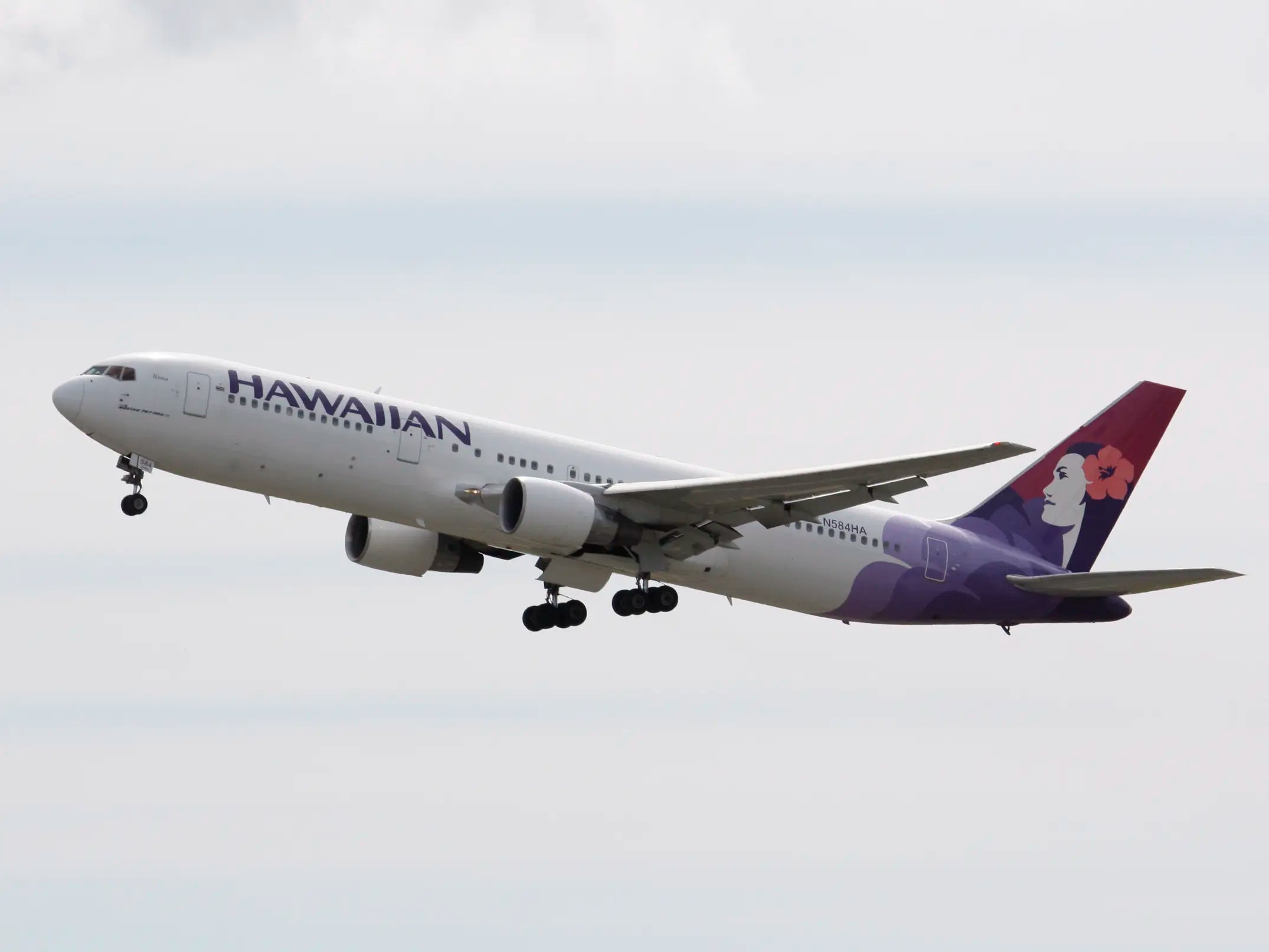
Hawaiian Airlines Overview & Company Profile
Hawaiian Airlines is the flag carrier of the State of Hawaii and one of the oldest continuously operating airlines in the United States, having launched scheduled interisland service on November 11, 1929, under the name Inter-Island Airways. Headquartered at Daniel K. Inouye International Airport (HNL) in Honolulu, the airline connects all major Hawaiian islands to the U.S. mainland, Asia, Oceania, and the South Pacific. It is the largest carrier serving the Hawaiian Islands by passenger volume.
On September 18, 2024, Alaska Air Group completed its acquisition of Hawaiian Airlines, ending over 95 years of independent operation. Hawaiian now operates as a wholly owned subsidiary alongside Alaska Airlines and Horizon Air. In spring 2026, Hawaiian officially joined the oneworld alliance, gaining access to over 1,000 destinations worldwide through partners including Qantas, Japan Airlines, British Airways, and Cathay Pacific. The legacy HawaiianMiles programme was replaced by Atmos Rewards, a unified loyalty platform shared with Alaska Airlines.
The airline employs approximately 1,197 pilots represented by the Air Line Pilots Association (ALPA). Despite the merger, Hawaiian posted a pre-tax loss of $189 million for 2025 on $3.3 billion in revenue, though Alaska Air Group projects $1 billion in incremental profit from the acquisition by 2027. The airline operates around 150 daily flights during peak season from its primary hub at HNL and secondary hub at Kahului (OGG) on Maui.
Fleet Composition & Type Ratings
Hawaiian Airlines operates a diverse fleet of 62 mainline aircraft spanning six distinct types, ranging from the short-hop interisland Boeing 717 to the brand-new Boeing 787-9 Dreamliner for ultra-long-haul Pacific crossings. This fleet diversity is unusual for an airline of Hawaiian's size and gives pilots the opportunity to fly narrowbody, widebody, and freighter operations within a single career. The airline is in the middle of a significant fleet transformation under Alaska Air Group ownership, with new 787 deliveries, an aging 717 fleet nearing retirement, and the parent company's record-breaking order for 105 Boeing 737-10 aircraft plus five additional 787s announced in January 2026.
| Aircraft Type | Role | In Service | Avg. Age | Routes / Notes |
|---|---|---|---|---|
| Boeing 787-9 Dreamliner | Widebody | 5 | 1.1 yrs | Long-haul: Tokyo, Seoul, Sydney, Seattle. "Leihoku Suites" premium cabin. Growing fleet. |
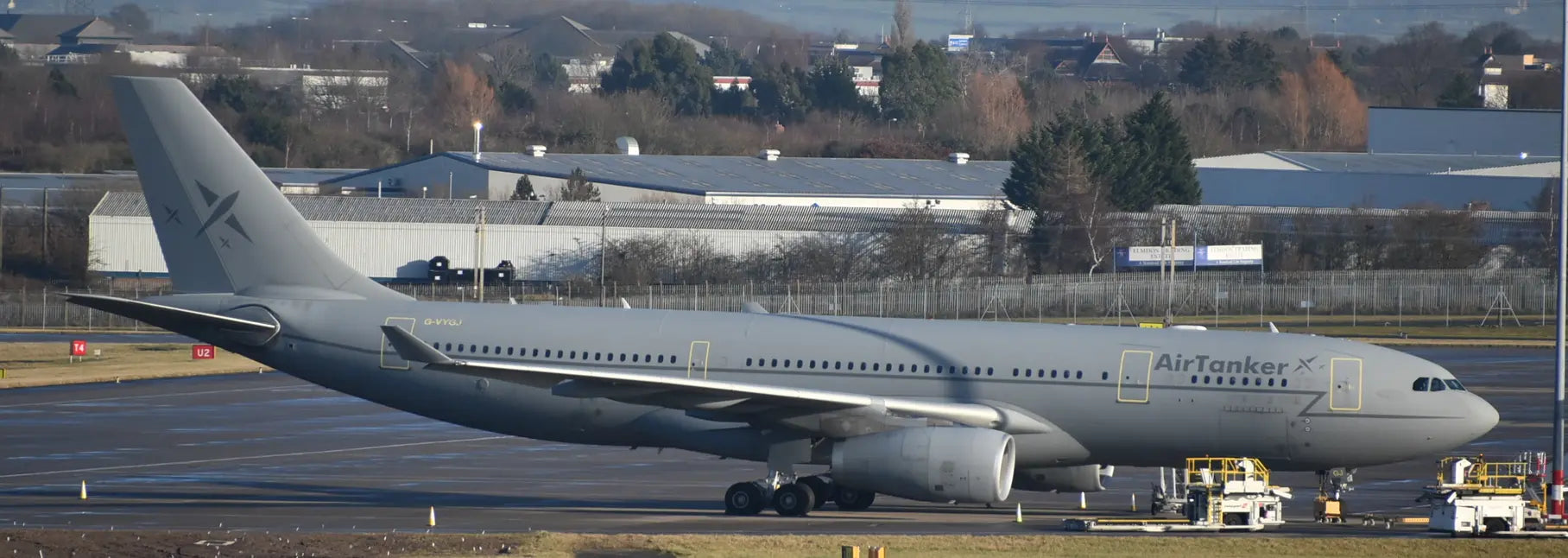
| Airbus A330-200 | Widebody | 24 | 12 yrs | Transpacific workhorse: Japan, Australia, NZ, mainland US. Being supplemented by 787. |
| Airbus A330-300F | Freighter | 10 | Varies | Amazon cargo contract (8-year term). Based at CVG. All 10 delivered by mid-2025. |
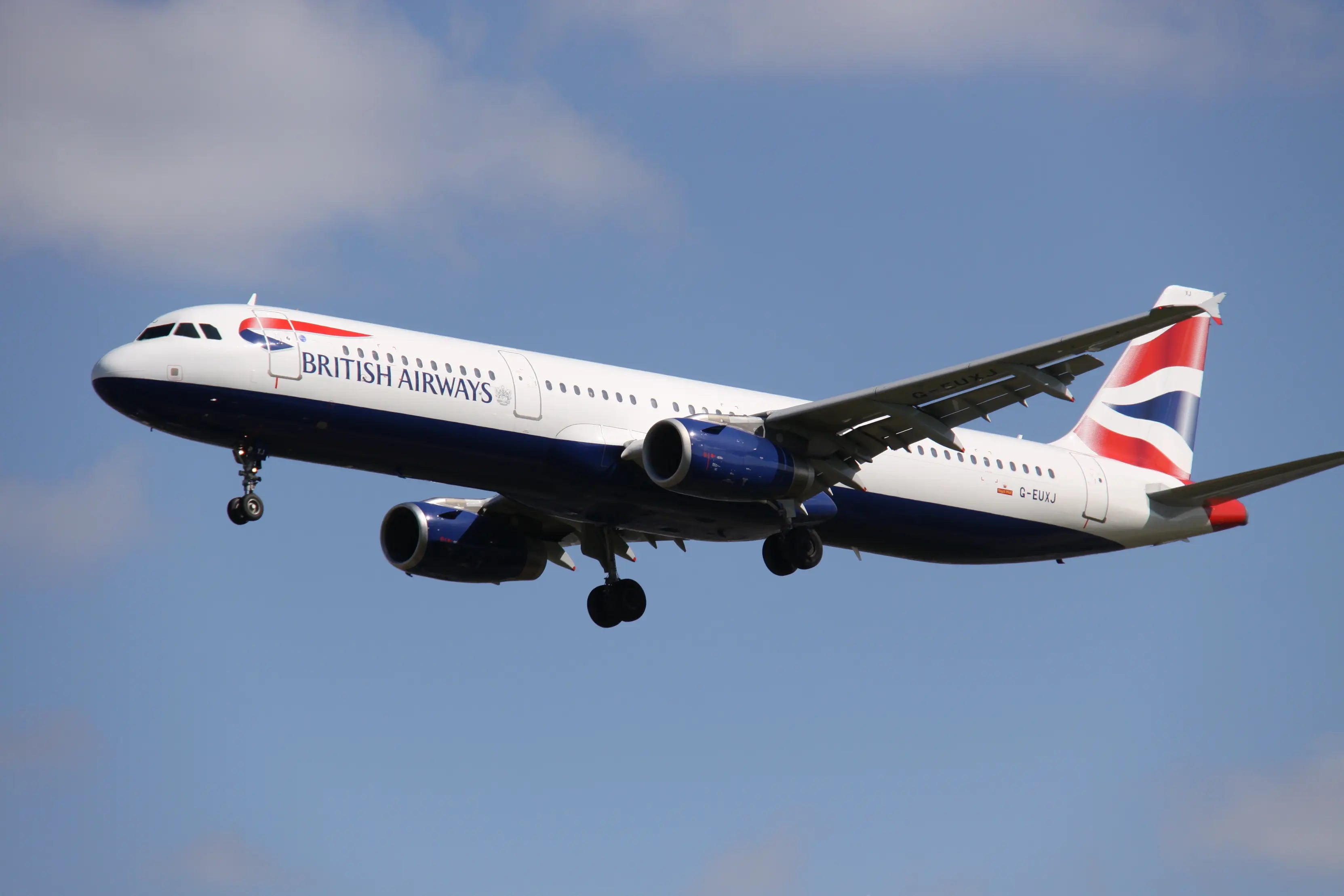
| Airbus A321-200neo | Narrowbody | 18 | 7.1 yrs | Extended mainland routes & Pacific islands. 189-seat, 2-class. No red-eye ops. |
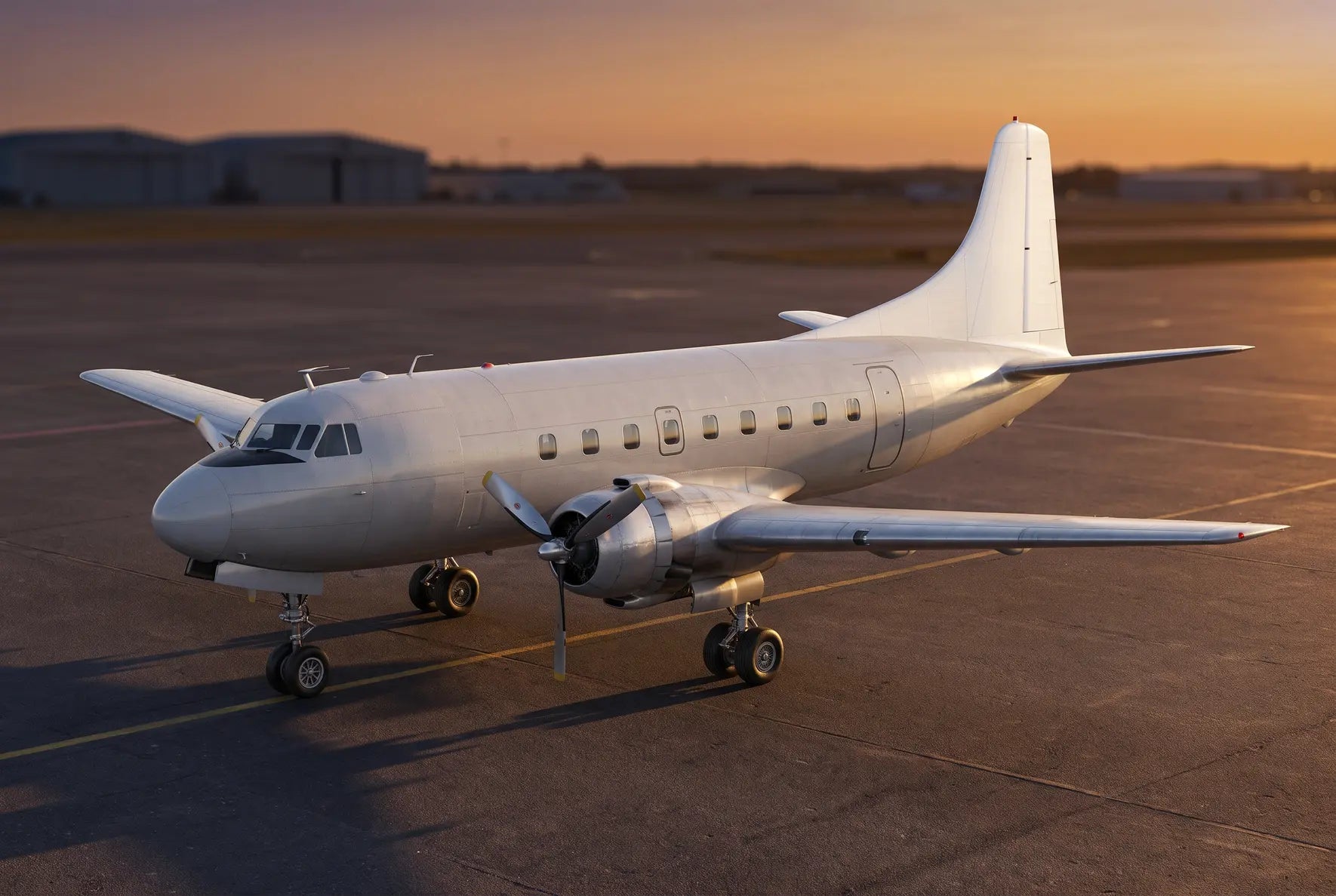
| Boeing 717-200 | Narrowbody | 19 | 23.7 yrs | High-frequency interisland. Nearing end of economic life (~5 years). Replacement TBD. |
Fleet data as of January 2026 per Alaska Air Group fleet disclosures. Numbers are approximate and change with ongoing deliveries.
The Boeing 787-9 Dreamliner is the crown jewel of Hawaiian's fleet renewal, featuring the airline's new "Leihoku Suites" lie-flat business class with direct aisle access, enhanced privacy, and state-of-the-art inflight entertainment. As of early 2026, five 787s are in service, primarily deployed on premium long-haul routes such as Honolulu to Tokyo Narita, Seoul Incheon, and Sydney. Alaska Air Group ordered five additional 787s in January 2026, signaling continued widebody growth with the combined fleet projected to exceed 475 aircraft by 2030.
The Airbus A330-200 fleet of 24 aircraft remains the backbone of Hawaiian's international and mainland operations, covering destinations across Japan, Australia, New Zealand, and most West Coast U.S. gateways. These aircraft average 12 years of age and are expected to serve for several more years alongside the growing 787 fleet.
The Airbus A330-300 freighter fleet, all 10 aircraft operated under an eight-year contract with Amazon, represents a dedicated cargo division based at Cincinnati (CVG). This operation is separate from passenger flying and provides a unique career option within Hawaiian Airlines.
The Boeing 717-200 fleet presents the most pressing strategic question for Hawaiian's future. At an average age of 23.7 years, these 19 aircraft are approaching the end of their economic operational life. Many have exceeded 120,000 flight cycles despite a design life of 70,000 cycles, making maintenance increasingly complex and parts sourcing difficult. Industry observers estimate the 717 has roughly five years of viable service remaining. Potential replacements under discussion include Boeing 737-10 flow-through aircraft from Alaska's mainline fleet performing interisland duties on limited schedules, contracted regional operators, or a combination approach.
New hire pilots at Hawaiian Airlines are typically assigned to the Boeing 717 for interisland operations, reflecting their position at the bottom of the seniority list. As seniority accumulates, pilots bid into the A321neo, then widebody assignments on the A330-200 or Boeing 787. The A330-300 freighter fleet based at CVG is also available through seniority-based bidding. Hawaiian covers the cost of type rating for pilots recruited through its official selection process. Under the Alaska Air Group structure, Horizon Air's 89 Embraer E-175 aircraft also serve as a feeder pipeline for pilots seeking to transition into Hawaiian mainline operations.
Pilot Salary & Compensation Breakdown
Hawaiian Airlines pilot salaries are governed by the March 2023 collective bargaining agreement negotiated by ALPA, which delivered an immediate 16.6% average pay increase and a $10 million ratification bonus distributed across the pilot group. The contract remains amendable on March 2, 2027. Compensation is structured around hourly flight pay rates that vary by aircraft type and years of seniority, supplemented by per diem allowances, international override pay, signing bonuses, and substantial employer retirement contributions.
First Officer (F/O) Pay Scale
| Seniority | B717 ($/hr) | A321neo ($/hr) | A330-200 / B787 ($/hr) | A330-300F ($/hr) |
|---|---|---|---|---|
| Year 1 | $84 | $84 | $84 | $84 |
| Year 3 | $131 | $138 | $152 | $146 |
| Year 6 | $168 | $183 | $210 | $200 |
| Year 9 | $190 | $218 | $258 | $248 |
| Year 12 (top) | $205 | $238 | $284 | $272 |
Hourly rates from the March 2023 ALPA contract. All F/O rates start at $84/hr regardless of aircraft type, then diverge based on assignment.
Captain (CA) Pay Scale
| Seniority | B717 ($/hr) | A321neo ($/hr) | A330-200 / B787 ($/hr) | A330-300F ($/hr) |
|---|---|---|---|---|
| Year 1 | $270 | $313 | $374 | $358 |
| Year 4 | $278 | $322 | $386 | $370 |
| Year 8 | $288 | $334 | $398 | $382 |
| Year 12 (top) | $294 | $342 | $407 | $391 |
Captain rates vary significantly by fleet. Widebody A330/787 captains at top seniority earn $407/hr, translating to roughly $317,000-$365,000 annually depending on block hours.
Additional Compensation Elements
These figures are drawn from the March 2023 ALPA contract and publicly available data on Airline Pilot Central. Actual compensation depends on individual seniority, aircraft assignment, block hours flown, and per diem accumulation. Hawaiian Airlines pilot pay is broadly competitive within the mid-tier of U.S. carriers, running roughly 10-12% below Delta Air Lines according to pilot comparisons, but the exceptional 31% total employer retirement contributions and Hawaii-based quality of life help offset the gap. The contract becomes amendable in March 2027, and post-merger joint collective bargaining agreement negotiations with Alaska Airlines pilots may significantly alter the pay structure.
Roster Pattern & Quality of Life
Quality of life is consistently cited as Hawaiian Airlines' single greatest advantage over mainland competitors. The combination of Hawaii-based operations, Pacific flying without congested domestic airspace, generous monthly time off, and a scheduling system that avoids red-eye flights on narrowbody equipment creates what many pilots describe as the best lifestyle in the U.S. airline industry. Pilots operate under FAA Part 117 flight and duty time limitations, with most pairings structured to respect circadian rhythm preferences.
📅 Sample Month - A321neo First Officer (HNL)
A321neo pilots typically operate two-day trip pairings (occasionally three days) with no red-eye flights. Morning departures from Honolulu with late-morning returns the next day create circadian-friendly schedules. Junior A321neo first officers receive approximately 16-17 days off per month, which is substantially above the mainland carrier average.
Boeing 717 interisland pilots enjoy the most predictable schedules. With sufficient seniority, 717 pilots can structure day-trip-only operations, returning home to Honolulu every evening. The short flight durations (30-45 minutes between islands) and high-frequency schedule mean pilots accumulate flight hours rapidly without the fatigue of overnight layovers or timezone changes.
Airbus A330 widebody pilots operate in longer pairings: senior pilots typically bid three-day long-haul rotations departing around midday on day one and returning by midday on day three, completing four such rotations monthly to reach their guarantee. Junior A330 first officers may work three-to-five-day trip pairings or one-out/one-back schedules. Long-haul flights over 11 hours to destinations like Tokyo or Sydney require augmented crews (3-4 pilots) for in-flight rest.
Reserve pilots benefit from exceptional flexibility. Reserve days can be concentrated into a single 18-day block with 12 consecutive days off, or split as nine-on/six-off twice per month, or various other configurations. This flexibility is particularly valuable for pilots commuting from the mainland, who can batch their reserve availability into short blocks and spend extended time at home between duty periods.
Hawaiian Airlines' primary pilot base is Honolulu (HNL), with a secondary base at Cincinnati (CVG) for A330-300 freighter operations. A new Seattle (SEA) base for Boeing 787 pilots opened in March 2026, initially staffed with 15 captains and 30 first officers to support post-merger international expansion. Living in Hawaii means exceptional day-to-day quality of life but also the highest cost of living in the United States. Pilots based in Honolulu have described it as being "as good as it gets" if you can afford the housing. For those commuting from the mainland, the reserve flexibility and staff travel benefits on Alaska Airlines and oneworld partners help make it workable.
Benefits, Travel Perks & Retirement
As part of the Alaska Air Group family, Hawaiian Airlines pilots now access one of the most comprehensive benefits packages in the U.S. airline industry. The combination of substantial employer retirement contributions, unlimited staff travel across the combined Alaska/Hawaiian/oneworld network, comprehensive health insurance, and specialized pilot insurance products creates a total compensation package that significantly enhances base salary figures.
Hawaiian Airlines' combined employer retirement contributions of 31% (15% to 401k + 16% to A/B Fund), with no employee match required, represent one of the most generous retirement packages in U.S. commercial aviation. For a widebody captain earning $350,000 annually, this translates to over $108,000 per year in employer-funded retirement savings. Over a 25-year career, this compounding effect creates substantial retirement security. Note that the legacy medical retirement plan has been discontinued, reflecting a broader industry shift toward defined-contribution retirement structures.
The staff travel benefit is particularly valuable for Hawaii-based pilots. With unlimited standby travel on both Alaska Airlines' extensive mainland network and Hawaiian Airlines' Pacific routes, plus discounted access to the entire oneworld alliance (including Qantas, British Airways, Cathay Pacific, and Japan Airlines), pilots and their families can travel globally at minimal cost. For pilots with families, the ability to fly between Hawaii and the mainland for free fundamentally changes the economics of island living.
Career Progression & Seniority
Career progression at Hawaiian Airlines is strictly seniority-based, with upgrade timelines, aircraft assignments, base selections, vacation periods, and schedule preferences all determined by a pilot's position on the seniority list. Unlike some U.S. carriers, Hawaiian has historically offered relatively fast upgrade timelines to Captain, particularly on narrowbody interisland equipment. However, the Alaska Air Group acquisition has introduced significant uncertainty through the ongoing seniority list integration process with Alaska Airlines pilots.
| Career Milestone | Typical Timeline | Notes |
|---|---|---|
| Join as F/O (Boeing 717) | Day 1 | Most common entry fleet for new hires. Interisland operations from HNL. |
| 717 Captain upgrade | ~5 months - 2 years | Fastest upgrade path. Day-trip flying, no overnight layovers with seniority. |
| A321neo F/O transition | 1-3 years | Mainland routes, Pacific islands. Two-day pairings, no red-eyes. |
| A330-200 / B787 F/O | 3-6 years | Widebody international. Tokyo, Sydney, Auckland, Seoul routes. |
| A321neo Captain | ~8 years | Narrowbody command. Good quality of life with predictable pairings. |
| A330-200 / B787 Captain | ~6-10 years | Widebody command. Premium international routes. Highest compensation tier. |
| A330-300F Captain (cargo) | Variable | Amazon freighter operations based at CVG. Distinct career track. |
The Boeing 717 Captain upgrade is remarkably fast by industry standards. Some pilots have upgraded in as little as five months from their hire date, making Hawaiian one of the quickest paths to left-seat command in U.S. commercial aviation. However, the 717 fleet's approaching retirement within approximately five years adds uncertainty to this career pathway.
Widebody transitions follow seniority order. Pilots cannot select their aircraft type upon hiring and must bid available openings as they arise. The A330-200 and Boeing 787 are the most desirable assignments for pilots seeking international flying experience and top-tier compensation, while the A330-300 freighter offers high income with a different operational rhythm.
The most consequential career factor for Hawaiian Airlines pilots in 2025-2026 is the ongoing seniority list integration with Alaska Airlines pilots. This process, managed through ALPA's formal merger procedures, determines how Hawaiian and Alaska pilots will be interleaved on a single combined seniority list. In August 2025, the Seniority Merger Integration Committee (SMIC) issued Seniority Verification Letters establishing provisional bidding seniority dates. Tensions have emerged between the two pilot groups: Hawaiian pilots fear losing their established priority on widebody international flying, while Alaska pilots bring longer service histories on different equipment. The resolution of this integration will fundamentally shape career trajectories, aircraft access, and base assignments for years to come. Joint collective bargaining agreement (JCBA) negotiations remain ongoing.
Recruitment Process & Requirements
Hawaiian Airlines recruits experienced pilots through its official careers portal, with applications managed under the broader Alaska Air Group recruitment infrastructure. The airline does not operate a cadet or ab-initio programme: all applicants must hold an FAA Airline Transport Pilot (ATP) certificate or be ATP-eligible with the requisite flight time. The selection process emphasizes both technical competence and cultural fit with Hawaiian Airlines' distinctive aloha-centered service philosophy.
Minimum Requirements
Selection Stages
Online Application
Submit through the Alaska Air Group careers portal. Includes resume, flight time documentation, certificates, and background information. Applications are reviewed against minimum qualification requirements.
Resume Review & Screening
Qualified applications are screened by the recruitment team. Flight time, type ratings, and overall experience are evaluated. Candidates meeting threshold requirements advance to the interview stage.
Technical Interview
Assessment of aviation knowledge, systems understanding, and operational judgment. Covers aircraft systems, weather decision-making, emergency procedures, and CRM scenarios. Conducted in Honolulu.
Behavioral Interview & Cultural Fit
Evaluation of communication skills, crew resource management, leadership qualities, and alignment with Hawaiian Airlines' aloha-centered values. Hawaiian places significant emphasis on personality and cultural fit alongside technical ability.
Medical & Background Check
Verification of FAA First Class Medical Certificate, criminal background check, drug screening, and work authorization documentation. Successful candidates receive a class date for new hire training in Honolulu.
In 2025, Alaska Air Group launched Hawaii's first "full circle" commercial pilot development programme, expanding opportunities for local students to pursue aviation careers with a pathway through Horizon Air's E-175 regional operations and eventually into Hawaiian Airlines mainline positions. While not a traditional cadet programme, this pipeline creates a structured regional-to-mainline career path that leverages the Alaska Air Group family of airlines. Horizon Air's fleet of 89 Embraer E-175 aircraft serves as the primary feeder for Hawaiian mainline hiring.
Top 5 Layover Destinations
Hawaiian Airlines' unique Pacific-focused network creates layover opportunities that set it apart from every other U.S. carrier. While mainland airlines fly to hundreds of domestic destinations, Hawaiian's long-haul pilots spend their layovers in some of the most fascinating cities in the Asia-Pacific region. Widebody A330 and 787 crews typically enjoy layovers of 12-48 hours at destination, with hotels contracted by the airline. All crew rest periods comply with FAA Part 117 requirements.
All crew hotels are contracted by the airline. Transport between hotel and airport is provided. Under FAA Part 117, pilots must have a minimum 10-hour rest opportunity before the next duty period, with 8 hours of uninterrupted sleep opportunity. Long-haul flights exceeding 8-9 hours typically require augmented crews (3-4 pilots), and layovers are generally 12 hours minimum for domestic and 24+ hours for international destinations. Layover destinations are determined by your roster bid and seniority. In addition to these top 5 destinations, Hawaiian pilots also layover in American Samoa (PPG), Tahiti (PPT), and multiple mainland US cities including Los Angeles, San Francisco, Las Vegas, and Phoenix.
How Hawaiian Airlines Compares: Airline Radar Chart
How does Hawaiian Airlines stack up against its two most relevant competitors: Alaska Airlines (its parent company and fellow oneworld member) and United Airlines (the largest competitor on Hawaii mainland routes)? Below is a comparative analysis across five key metrics. Scores are editorial estimates based on publicly available data, pilot feedback, and industry benchmarks.
Key Takeaways from the Comparison
Hawaiian Airlines dominates on work-life balance. With 16-17 days off per month for junior pilots, no red-eye operations on narrowbody equipment, and the unmatched lifestyle of Pacific-based flying, Hawaiian scores the highest on quality of life among all three carriers. Alaska Airlines offers good quality of life with West Coast focus, but the broader domestic network creates more complex commuting and scheduling. United's massive network and high block-hour guarantees create demanding schedules by comparison.
United leads on salary and fleet diversity. United Airlines widebody captains earn among the highest rates in the industry, and United's fleet spans from 737s through 777s and 787s across a global network. Hawaiian's widebody captain pay ($407/hr top-out) is competitive but sits below United's equivalent rates. Alaska Airlines pilots earn slightly higher entry-level rates ($119,920 year-one F/O) but operate primarily Boeing 737 narrowbody equipment with limited widebody exposure.
Job security favors United and Alaska. United and Alaska Airlines both operate from positions of financial strength with diversified revenue streams and strong balance sheets. Hawaiian Airlines' ongoing losses ($189 million in 2025) and dependence on the Alaska Air Group partnership for financial viability create genuine uncertainty. The aging 717 interisland fleet adds a structural question mark over the long-term scope of Hawaiian-based pilot employment.
Hawaiian's benefits package is highly competitive. The 31% total employer retirement contributions are among the best in the industry, and the unlimited staff travel across Alaska, Hawaiian, and oneworld partners creates exceptional value. United offers strong benefits but with lower employer retirement contribution percentages. Alaska Airlines benefits are comparable given the shared corporate structure.
Scores are editorial estimates based on research into publicly available salary data, pilot forum testimonials, ALPA publications, Airline Pilot Central contract data, and industry benchmarks. They represent a general assessment for an experienced pilot considering a long-term career. Individual experiences will vary based on seniority, fleet, base, and personal priorities. These scores will be updated as joint collective bargaining agreement negotiations progress.
Union & Industrial Relations
The Air Line Pilots Association (ALPA) represents all 1,197 pilots at Hawaiian Airlines, providing comprehensive representation in safety, security, collective bargaining, and advocacy. ALPA is the world's largest airline pilot union, representing over 78,000 pilots at 42 airlines in the United States and Canada. Hawaiian Airlines pilots form a distinct pilot group within ALPA's structure, with their own Master Executive Council (MEC) negotiating contracts and addressing grievances specific to Hawaiian operations.
Current Contract Status
The current collective bargaining agreement was ratified in March 2023 following negotiations that produced a 16.6% immediate average pay increase and a $10 million ratification bonus distributed across the pilot group. The contract becomes amendable on March 2, 2027, providing approximately one year of contract certainty as of early 2026. This contract was negotiated with Hawaiian Airlines as an independent carrier, before the Alaska Air Group acquisition was completed.
Seniority Integration Process
The seniority list integration between Hawaiian and Alaska pilots is the most significant labor issue facing the combined organisation. In August 2025, the SMIC issued Seniority Verification Letters establishing each pilot's provisional position on the integrated list. All challenges were due by August 29, 2025. The process has generated tension: Hawaiian pilots worry about losing their established priority on widebody international flying, while Alaska pilots with longer total service feel their tenure should carry significant weight in the merged list.
Key Disputes & Negotiations
Hawaiian Airlines has not experienced a pilot strike in recent history, and the Railway Labor Act framework makes strikes extremely rare at U.S. airlines. The primary concern for new hires is not strike risk but integration uncertainty: how the combined seniority list, JCBA terms, and fleet allocation decisions will affect long-term career progression. ALPA membership is standard for all Hawaiian pilots, and the union actively advocates for protections during the merger process. For pilots considering Hawaiian, the quality of life and benefits are well-established, but career trajectory certainty is lower than at financially stable standalone carriers until the integration is fully resolved.
Verdict: Who Is Hawaiian Airlines For?
🎯 Our Take
Hawaiian Airlines offers something no other U.S. carrier can match: a career built around Pacific flying, island living, and a quality of life that consistently ranks among the best in the industry. The combination of widebody international operations to Japan, South Korea, Australia, and New Zealand, fast Captain upgrade timelines on interisland equipment, 31% employer retirement contributions, unlimited staff travel across Alaska/Hawaiian/oneworld, and 16-17 days off per month creates a genuinely unique proposition.
The trade-offs are equally real. Hawaiian's ongoing financial losses ($189 million in 2025) create genuine questions about long-term investment in the airline versus deeper integration into Alaska operations. The seniority list integration with Alaska Airlines pilots introduces uncertainty around widebody access, base assignments, and career progression that could take years to fully resolve. The aging Boeing 717 fleet faces retirement within approximately five years, with no confirmed replacement strategy. And the cost of living in Hawaii is the highest in the nation, meaning competitive salary figures translate to less purchasing power than at mainland carriers.
For pilots who value lifestyle, Pacific flying, and a distinctive operational culture above maximising raw salary, Hawaiian Airlines remains one of the most compelling career choices in U.S. aviation. For those prioritising financial certainty and career predictability, the current integration period introduces risks that should be carefully weighed.
1 Is Hawaiian Airlines still hiring pilots in 2026?
Yes. Hawaiian Airlines continues to recruit pilots through the Alaska Air Group careers portal. The opening of a new Boeing 787 pilot base in Seattle (March 2026) created additional positions, with initial openings for 15 captains and 30 first officers. Hiring volumes fluctuate with operational needs, fleet growth, and retirement patterns. The Alaska Air Group fleet is projected to exceed 475 aircraft by 2030, suggesting sustained hiring across the combined organisation.
2 Do I need to live in Hawaii to fly for Hawaiian Airlines?
Not necessarily. While the primary pilot base is Honolulu (HNL), the Cincinnati (CVG) base serves freighter operations and the new Seattle (SEA) base supports 787 international flying. Mainland-based commuters can also structure reserve schedules to concentrate duty periods and maintain mainland residences. However, the best quality of life is achieved by living in Hawaii, and pilots commuting from the mainland face longer transit times and additional logistical complexity compared to locally domiciled crews.
3 How fast can I upgrade to Captain at Hawaiian?
Upgrade timelines vary significantly by aircraft type. Boeing 717 interisland Captain upgrades have been achieved in as little as 5 months from hire, making it one of the fastest paths to command in U.S. aviation. A321neo Captain upgrade currently takes approximately 8 years, while widebody A330/787 Captain upgrade takes roughly 6-10 years depending on seniority composition and fleet changes. These timelines may shift as seniority integration with Alaska Airlines progresses.
4 Can non-US citizens apply to Hawaiian Airlines?
Applicants must be legally eligible to work in the United States. Hawaiian Airlines does not sponsor work visas (H-1B or similar). You must also hold a valid U.S. passport permitting unrestricted travel to all Hawaiian Airlines destinations and be able to obtain Flight Crew Visa authorization for international destinations including Japan, South Korea, Australia, and New Zealand.
5 What happens to Hawaiian Airlines pilots if the Alaska merger fails?
The merger is already complete: Alaska Air Group acquired Hawaiian Airlines in September 2024, and the single operating certificate was achieved in October 2025. Hawaiian Airlines now operates as a wholly owned subsidiary. The more relevant question is how deeply Hawaiian operations will be integrated into Alaska's structure. If Hawaiian remains persistently unprofitable beyond 2027, strategic decisions about operational scope, base assignments, and fleet allocation could significantly affect pilot employment. ALPA is actively negotiating protections through the joint collective bargaining agreement process.
6 What will replace the Boeing 717 for interisland flying?
This remains one of the biggest open questions at Hawaiian Airlines. The 717 fleet (average age 23.7 years) is expected to reach the end of its economic life within approximately five years. Potential replacement strategies under discussion include Boeing 737-10 flow-through aircraft from Alaska's mainline fleet, contracted regional operators, or hybrid approaches. Alaska Air Group's record order for 105 Boeing 737-10 aircraft suggests the 737 family may play a role. The outcome will significantly affect interisland pilot jobs and operational structure.
7 How does the cost of living in Hawaii affect pilot compensation?
Hawaii has the highest cost of living in the United States, with median home prices exceeding $800,000 in Honolulu and private school tuition running $15,000-$30,000 per year. While Hawaiian Airlines pilot salaries are competitive in absolute terms, purchasing power is significantly reduced compared to mainland-based carriers. The 31% employer retirement contributions, unlimited staff travel, and exceptional quality of life help offset the cost difference, but housing affordability remains the single biggest challenge for Hawaii-based pilots, particularly those early in their careers.
8 Is the Amazon freighter operation a good career move?
The A330-300 freighter operation for Amazon, based at Cincinnati (CVG), offers a distinct career path within Hawaiian Airlines. Freighter captains earn $358-$391/hr, and the operation provides widebody experience in a cargo environment with different scheduling patterns than passenger flying. It can be appealing for pilots seeking to maximise income over specific career windows or for those who prefer mainland-based operations. The eight-year Amazon contract provides reasonable medium-term job security for this fleet, though the operation is operationally and geographically separate from Hawaiian's core Pacific passenger network.
Official Links & Resources
Before applying or making any career decisions, always verify information directly with official sources. These are the key websites and organisations relevant to Hawaiian Airlines pilot careers:
Bookmark the Alaska Air Group Newsroom (news.alaskaair.com) for the latest integration milestones, fleet orders, and financial updates. The ALPA Hawaiian Airlines pilot group page is the best source for contract-specific information and union advocacy updates. For real-time pilot discussions about quality of life, schedules, and integration concerns, the Hawaiian Airlines forum on AirlinePilotForums.com provides candid peer perspectives.