


Cape Air Overview & Company Profile
Cape Air (legally Hyannis Air Service, Inc.) is one of the largest independent regional airlines in the United States. Founded in 1989 by Dan Wolf, Craig Stewart, and Grant Wilson, the airline launched with just three daily flights between Provincetown and Boston on Cape Cod. Since then it has grown into a nationwide commuter carrier operating up to 525 flights per day during peak summer season, connecting approximately 40 destinations across New England, New York, the Caribbean, Montana, and the Midwest.
Cape Air is distinctive in the US airline landscape for several reasons. It is an employee-owned company through an Employee Stock Ownership Program (ESOP), which reached approximately 30% employee ownership by 2015. The airline operates primarily under FAR Part 135 scheduled service rules rather than Part 121, flying small piston-engine aircraft on short, high-frequency routes. Many of these routes are designated Essential Air Service (EAS) routes, subsidized by the U.S. Department of Transportation to ensure small communities maintain air connectivity. Cape Air carries over 400,000 passengers annually, making it one of the busiest commuter airlines in the country by passenger volume.
The airline maintains codeshare and interline agreements with JetBlue Airways, United Airlines, and American Airlines, among others. Its close partnership with JetBlue is particularly significant for pilots, as it underpins several career pathway programs connecting Cape Air directly to major airline careers. Linda Markham serves as President and CEO, while founder Dan Wolf transitioned to the role of Chairman of the Board of Directors.
Fleet Composition & Aircraft Types
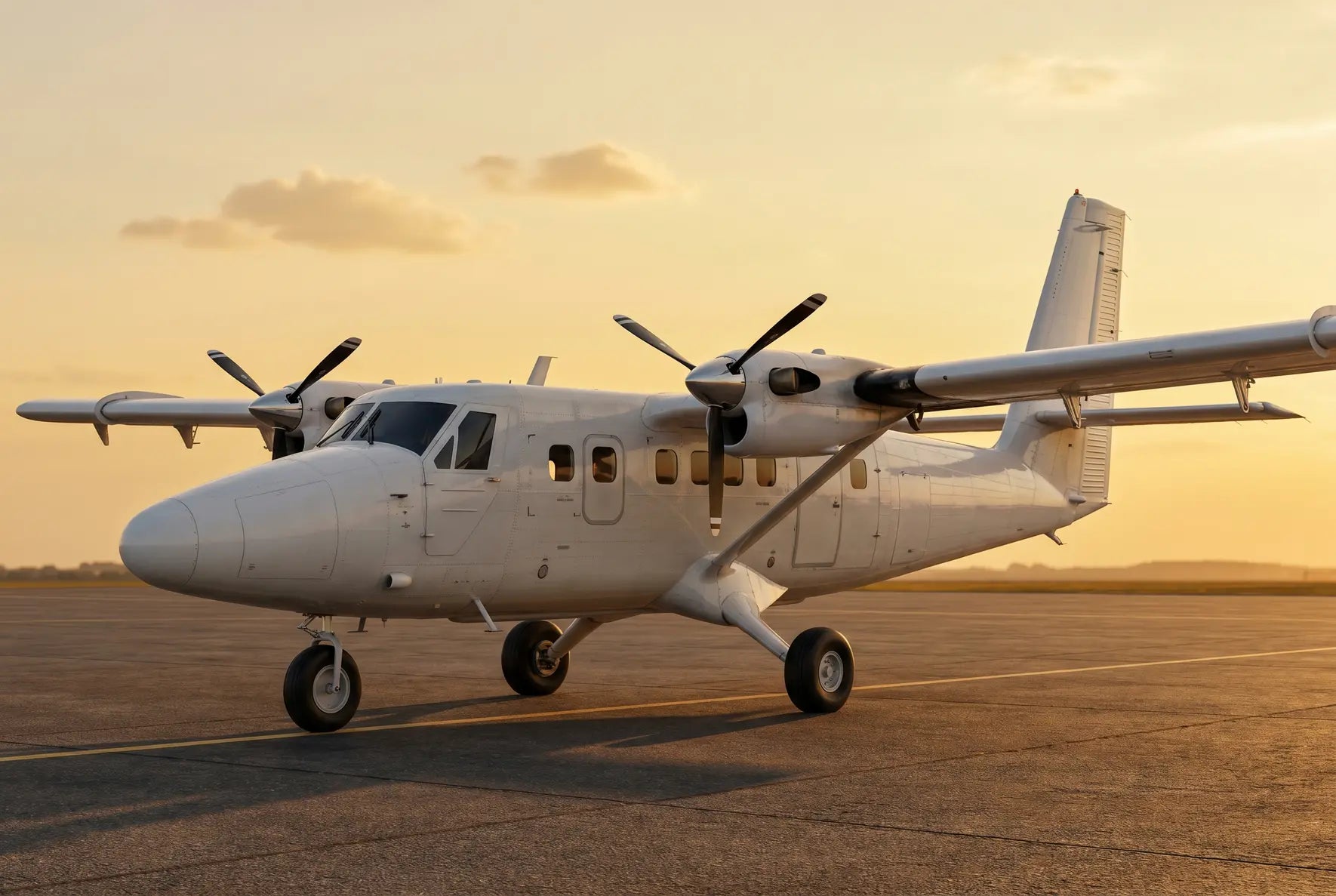
Cape Air operates an all-piston fleet of approximately 100 aircraft, focused on small, twin-engine types ideally suited for short hops between regional airports. The airline does not fly jets or turboprops on its mainline network (a former ATR 42 operation in Guam closed in 2018). Instead, Cape Air has bet heavily on a new-generation piston aircraft, the Tecnam P2012 Traveller, which is gradually replacing the legacy Cessna 402 fleet.
In September 2017, Cape Air placed a landmark order for 102 Tecnam P2012 Travellers, becoming the global launch customer. The first aircraft entered service in September 2019, and deliveries have continued in annual batches. By late 2025, approximately 30 Travellers are in service across the US Northeast and Montana, with deployment to the Caribbean market beginning in May 2025. The P2012 is equipped with Garmin G1000 NXi avionics, two 375 HP Lycoming piston engines, and seats up to 11 passengers with air conditioning, USB power, and improved legroom compared to the Cessna 402.
| Aircraft Type | Role | In Service | Notes |
|---|---|---|---|
| Cessna 402C | Commuter | ~64 | 9-passenger workhorse. Gradually being replaced by Tecnam P2012. Legacy fleet backbone since the 1990s. |
| Tecnam P2012 Traveller | Commuter | ~30 | 11-seat next-generation piston twin. Garmin G1000 NXi glass cockpit. 102 on order (target: full fleet replacement). |
| Britten-Norman BN-2 Islander | Commuter | ~4 | 9-passenger. Used on Caribbean island routes (USVI, BVI). Simple, rugged design for short strips. |
Fleet data as of late 2025. Numbers are approximate and change with ongoing Tecnam deliveries and Cessna retirements.
Cape Air pilots fly single-pilot operations on the Cessna 402 and BN-2 Islander under Part 135, and the Tecnam P2012 is also operated single-pilot. This means that from day one, First Officers who are PIC-qualified will gain valuable Pilot-in-Command time on every flight, a significant advantage for building hours toward an ATP certificate and progression to major airlines. The transition to glass-cockpit Tecnam P2012s is modernizing the flying experience, replacing the older analog Cessna 402 panels with fully integrated avionics. Pilots can expect to fly both types during the transition period, depending on their base and route assignment.
Pilot Salary & Compensation
Cape Air's pay structure is different from most airlines. Rather than paying pilots based on block time (flight hours only), Cape Air compensates pilots for every duty hour, whether on the ground or in the air. This means the hourly rate applies from the start of your duty period to the end, making income more predictable than at carriers that only pay for wheels-up time. The Part 135 operation guarantees 40 hours per week, with overtime at 150% for hours beyond that threshold.
According to Cape Air's own published compensation data for 2023, the median gross annual compensation for a first-year Captain was approximately $89,130, rising to $106,616 for a second-year Captain. These figures include the 40-hour weekly guarantee, overtime, and incentive pay. Cape Air also offers incentive shifts valued at 150% of the hourly rate plus a $300 bonus per shift, and a day-off incentive program that can pay up to $500 per day for full-time pilots who volunteer to pick up extra shifts.
Estimated Pay Ranges
| Position | Duty Hour Rate | Est. Annual Gross | Notes |
|---|---|---|---|
| First Officer (C402, PIC-qualified) | ~$13/duty hr | $27,000 – $40,000 | Entry-level building hours. FOs can volunteer for incentive shifts for significantly higher total pay. |
| Captain (Year 1) | ~$40 – $50/duty hr | ~$89,000 (median gross) | Includes minimum guarantee, overtime, and incentive pay. |
| Captain (Year 2+) | ~$50 – $58/duty hr | ~$107,000 (median gross) | Incentive flying and overtime can boost totals further. |
| Senior Captain (5+ yrs) | ~$55 – $65/duty hr | $110,000 – $140,000+ | Highest earners exceed $140K with heavy incentive flying. |
Figures compiled from Cape Air published data, AirlinePilotCentral, Glassdoor, and pilot reports. Actual compensation depends on base, schedule, overtime, and incentive participation.
Additional Compensation
Beyond the base duty-hour rate, Cape Air pilots receive a $37 per diem for each night spent away from base. The airline also runs a $2,000 pilot referral bonus program for current employees who refer captains who are subsequently hired. The day-off incentive program is structured in graduated tiers: as pilots work more incentive shifts over a given period, the per-shift bonus increases, reaching $500 per day (full-time) or $300 per day (part-time/on-call) at the highest tier. Cape Air also reimburses 100% of FAA medical certificate costs.
Cape Air pay, particularly at the First Officer level, is lower than at Part 121 regional airlines. The FO rate of approximately $13 per duty hour reflects the airline's Part 135 operational model and the fact that FO positions are primarily designed as time-building roles on the pathway to captain upgrade and eventual flow to major airlines. Pilots should evaluate Cape Air compensation in context: the rapid PIC time accumulation, paid training, and structured pathway programs (LIFT Academy, JetBlue Gateway) add significant long-term value that does not show up in raw hourly rates. All figures here are estimates based on publicly available sources. Always verify current rates directly with Cape Air recruiting.
Roster Pattern & Quality of Life
Cape Air operates under FAR Part 135 flight and duty time limitations, which differ significantly from the Part 121 rules governing most regional and major airlines. Part 135 allows up to 8 flight hours per day and requires a minimum of 34 consecutive hours off per week. Cape Air guarantees pilots 12 days off per 28-day period, with a typical working pattern of 3 to 4 flying days per week. Duty days often run up to 13 hours, though most flights are short (typically under 1 hour), meaning pilots may complete several sectors within a single duty period.
One notable quality-of-life advantage at Cape Air: most bases allow pilots to start and finish their day at their home base, sleeping at home every night. The exception is Montana, where the centralized Billings base and long distances between stations may require occasional overnights. In the Northeast and Caribbean, the short routes and high frequencies mean pilots are usually home by evening.
📅 Sample Month: Cessna 402 Captain (Northeast Base)
Cape Air operates over 30 pilot bases across the US and Caribbean. Base assignments are bid by seniority: according to the airline, approximately 85% of captains receive their first-choice base, and 92% receive one of their top three choices. Northeast bases include Hyannis, Boston, Nantucket, Martha's Vineyard, New Bedford, Provincetown (seasonal), Rockland, Augusta, Bar Harbor (Maine), Lebanon (New Hampshire), Rutland (Vermont), Saranac Lake, and White Plains (New York). Caribbean bases include San Juan (SJU), St. Thomas (STT), St. Croix (STX), Mayaguez, Tortola (EIS), Vieques, Culebra, and others in St. Kitts, Nevis, and Anguilla. Montana operations are centered on the Billings (BIL) hub. Junior pilots should be prepared to accept less popular bases initially, particularly in the Midwest or Montana.
Benefits, Travel Perks & Retirement
As an employee-owned company, Cape Air offers a benefits package that goes beyond what many Part 135 operators provide. Full-time pilots (those meeting the minimum monthly threshold) have access to health, dental, and vision insurance, a matching 401(k), the ESOP, and several unique perks including interline travel on JetBlue and other major carriers.
Cape Air's ESOP is a meaningful benefit that sets it apart from most regional and commuter airlines. As the company grows and becomes more profitable, the value of employee-held shares can increase. Profit sharing has historically been distributed as company stock rather than cash, reinforcing the ownership culture. While the ESOP will not make you rich overnight, it builds equity over time and gives pilots a direct stake in the airline's success. Combined with the 401(k) match, it forms the core of Cape Air's retirement offering. Since Cape Air is privately held, ESOP shares are valued through an independent annual appraisal rather than a public stock price.
Career Progression & Pathways to Majors
Cape Air's greatest value proposition for pilots is not the pay check itself, but the speed and quality of career progression it enables. Unlike Part 121 regional airlines where First Officers sit in the right seat accumulating hours slowly (often only 75-85 block hours per month), Cape Air FOs who are PIC-qualified fly single-pilot operations, logging Pilot-in-Command time on every flight. This dramatically accelerates the path to ATP minimums and, ultimately, to upgrade or transition to a major airline.
Cape Air has developed structured pathway programs in partnership with Republic Airways and JetBlue that formalize this progression. The most significant of these is the LIFT Academy Workforce Development Program, which creates a direct pipeline from initial training through Cape Air and on to Republic Airways (which operates as American Eagle, Delta Connection, and United Express).
| Career Milestone | Typical Timeline | Notes |
|---|---|---|
| Join as First Officer (C402/P2012) | Day 1 | Minimum 500 total hours. PIC-qualified from the start. Single-pilot ops = PIC time on every flight. |
| Upgrade to Captain | 12 – 24 months | Requires ATP Multi-Engine Land. Company pays for ATP-CTP course and checkride if needed. |
| Senior Captain / Check Airman | 2 – 4 years | Training roles available. Higher responsibility and some additional compensation. |
| Flow to Republic Airways (via LIFT/Jump Start) | After ~12 months as Captain | $100,000 upgrade bonus for making the transition. Minimum 12 months as Cape Air Captain required. |
| Flow to JetBlue (via Gateway) | Variable | JetBlue Gateway Select program. Interview and selection process. Not a guaranteed flow-through. |
Pathway Programs Explained
LIFT Academy / Jump Start Program: This is the most structured pathway. Pilots complete instrument, commercial multi-engine, and 500 hours at LIFT Academy, then join Cape Air as a First Officer. After upgrading to Captain (minimum 12 months at unrestricted ATP minimums), pilots become eligible to flow to Republic Airways as a First Officer on Embraer 170/175 jets. Republic operates regional service for American, Delta, and United. The program includes a $2,500 signing bonus at Cape Air and a $100,000 upgrade bonus upon transitioning to Republic.
JetBlue Gateway Program: Cape Air First Officers must be enrolled in either the LIFT Academy, JetBlue Gateway, or Internal Gateway pathway. The JetBlue Gateway is a selective program that provides mentoring, training resources, and a potential (but not guaranteed) pathway to a JetBlue pilot position. It is more competitive than the LIFT/Republic flow, which is contractual.
Internal Gateway Program: For pilots not enrolled in LIFT or JetBlue Gateway, this Cape Air-specific pathway provides structured career development and mentoring while building hours toward ATP and captain upgrade.
The math is compelling. A pilot joining Cape Air at 500 total hours can realistically build to ATP minimums (1,500 hours or the R-ATP threshold of 1,000-1,250 hours depending on military or academic qualifications) within 12-18 months, upgrade to Captain shortly after, and flow to a Part 121 regional within 2-3 years of hire. From there, the path to a major airline (JetBlue, Delta, United, American) typically takes another 2-5 years. Total timeline from Cape Air hire to major airline: as little as 4-6 years. Few other commuter airlines offer such a well-defined and rapid career trajectory.
Recruitment Process & Requirements
Cape Air recruits pilots on a rolling basis through its dedicated pilot careers portal. There are distinct minimum requirements depending on the position: First Officer, PIC (Pilot-in-Command), or Captain. All applicants must hold a valid FAA Commercial Pilot Certificate with Multi-Engine and Instrument ratings, a current First Class Medical Certificate, and a valid passport.
Minimum Requirements by Position
| Requirement | First Officer | PIC | Captain |
|---|---|---|---|
| Total Flight Time | 500 hours | 1,200 hours | 1,500 hours |
| Cross-Country | 100 hours | 500 hours | 500 hours |
| PIC Time | N/A | N/A | 250 hours |
| Night | 25 hours | 100 hours | 100 hours |
| Instrument | 25 hours | 75 hours | 75 hours |
| Multi-Engine | 25 hours (preferred) | 50 hours (preferred) | 50 hours |
| License | CPL ME-IR | CPL ME-IR | ATP Multi-Engine Land |
| Medical | First Class | First Class | First Class |
| Pathway Enrollment | Required (LIFT, JetBlue GW, or Internal GW) | N/A | N/A |
An Advanced Gateway or OWB program option allows FO entry at 750 total hours with 100 cross-country, 25 night, 25 instrument.
Selection Process
Online Application
Submit your application through the Cape Air pilot careers website. Include flight records, certificates, and resume. Applications are reviewed on a rolling basis.
Phone / Video Interview
A 30-60 minute interview, typically conducted by a recruiter. Covers your background, qualifications, motivation, and behavioral questions (TMAAT format: "Tell Me About A Time..."). Expect 1-2 technical questions on topics such as multi-engine emergency procedures, icing, or VFR/IFR regulations.
Records & Background Review
Cape Air reviews training records, checkride history, and conducts a safety review. A clean record is important. Multiple checkride failures may be disqualifying.
Conditional Offer & Training
Successful candidates receive a conditional offer and a class date. Cape Air provides company-funded training, including aircraft type training for the Cessna 402, BN-2, or Tecnam P2012. The airline also pays for ATP-CTP and the ATP checkride for pilots who need it.
Based on pilot reports, the Cape Air interview is conversational and relatively low-pressure compared to major airline assessments. Focus on demonstrating good CRM awareness, customer service orientation, and a genuine interest in flying small aircraft in varied conditions. Be ready to discuss single-pilot resource management, since Cape Air operations are conducted without a co-pilot. Common technical questions include: engine failure procedures on a multi-engine piston aircraft, types of icing, turbocharger operation, and VFR weather minimums for Class B airspace. Cape Air values pilots who embrace their "MOCHA HAGoTDI" culture: Make Our Customers Happy And Have A Good Time Doing It.
How Cape Air Compares: Airline Radar Chart
How does Cape Air stack up against two comparable US commuter/regional operators: Southern Airways Express and Boutique Air? All three airlines operate small aircraft on short-haul, often EAS-subsidized routes, and serve as stepping stones for pilots building hours toward major airline careers. Below is a comparative analysis across five key metrics.
Key Takeaways from the Comparison
Salary: Southern Airways Express leads on raw pay, with captains earning an average around $135,000 per year and a 65-hour monthly guarantee. Boutique Air captains earn approximately $62.50 per block hour with an $60,000 annual minimum. Cape Air's captain compensation ($89,000-$107,000 median gross for years 1-2) falls in the middle, but the duty-hour pay structure and incentive programs can push totals higher. FO pay is low across all three carriers, reflecting the time-building nature of these positions.
Career pathways are Cape Air's key differentiator. The LIFT Academy / Republic Airways flow-through program, combined with the JetBlue Gateway, gives Cape Air the most structured pathway to major airline employment of the three carriers. Southern Airways Express and Boutique Air offer time-building and networking opportunities but lack equivalent contractual flow agreements.
Work-life balance favors Boutique Air and Cape Air. Boutique Air emphasizes a 4-on/3-off schedule with flexible month-to-month building. Cape Air's home-nightly model and 12 guaranteed days off per 28-day period are strong. Southern Airways Express has a solid 65-hour guarantee but schedule flexibility varies by base.
Benefits and stability favor Cape Air. The ESOP, 12-week parental leave, JetBlue interline travel, and Teamsters union representation give Cape Air an edge on benefits and job security. Boutique Air offers 100% company-covered health insurance premiums but has no union or ESOP. Southern Airways Express benefits are less clearly documented.
Scores are editorial estimates based on publicly available compensation data, pilot forum reports, airline careers pages, and industry benchmarks from AirlinePilotCentral and Road to 1500. They represent a general assessment for a pilot evaluating these carriers as time-building and career-progression opportunities. Individual experiences vary significantly by base, seniority, and personal priorities. Data for Southern Airways Express and Boutique Air is less comprehensive than for Cape Air.
Union & Industrial Relations
Cape Air pilots are represented by the Airline Professionals Association, Teamsters Local 1224. This is the same local that also represents pilots at ABX Air, Horizon Air, Omni Air, and Silver Airways. Union membership gives Cape Air pilots collective bargaining rights, grievance procedures, and a formal voice in negotiations over pay, working conditions, and contract terms.
Recent Labor Disputes
The Teamsters' lawsuit is significant because it directly addresses the restrictive contract terms associated with Cape Air's pathway programs. Prospective pilots should carefully review any employment agreement before signing, particularly clauses related to non-compete obligations, liquidated damages, and minimum commitment periods. The union's legal challenge may result in changes to these terms. Regardless of the lawsuit outcome, union representation at Cape Air provides pilots with formal grievance procedures and collective bargaining protection that non-unionized commuter airlines (like Southern Airways Express and Boutique Air) do not offer. Union membership is voluntary but strongly encouraged by the Teamsters.
Verdict: Who Is Cape Air For?
🎯 Our Take
Cape Air is not a destination airline. The pay is modest (especially for First Officers), the aircraft are small piston twins, and the routes are short commuter hops rather than glamorous long-haul flights. But that is precisely the point. Cape Air excels as a career-building platform for pilots who want to accumulate PIC time rapidly, upgrade to captain fast, and flow into a Part 121 regional or major airline through structured pathway programs.
The combination of single-pilot PIC operations from day one, company-funded training (including ATP-CTP and checkride costs), the LIFT Academy/Republic Airways flow-through agreement, JetBlue Gateway access, employee ownership through the ESOP, Teamsters union representation, and home-nightly scheduling at most bases makes Cape Air one of the strongest time-building carriers in the US commuter airline space.
The trade-offs are clear: low starting pay (especially at the FO level), small piston aircraft with limited IFR capability in severe weather, the restrictive contract terms that are the subject of ongoing litigation, and the reality that Part 135 flying is physically demanding with high daily sector counts. Pilots must also be willing to relocate to potentially remote bases.
1 What is the minimum flight time to apply as a First Officer at Cape Air?
The standard minimum is 500 total flight hours, with 100 cross-country, 25 night, 25 instrument, and 25 multi-engine hours (preferred). An Advanced Gateway option allows entry at 750 total hours. All FO applicants must hold a Commercial Pilot Certificate with Multi-Engine and Instrument ratings and a First Class Medical. Enrollment in a pathway program (LIFT Academy, JetBlue Gateway, or Internal Gateway) is required.
2 Does Cape Air pay for the ATP certificate?
Yes. Cape Air covers the cost of ATP-CTP (Airline Transport Pilot Certification Training Program) and the ATP checkride for pilots who need it. This is a significant benefit, as the ATP-CTP course typically costs $5,000-$7,000 out of pocket at other training providers. Company-funded type rating training on the Cessna 402, BN-2, or Tecnam P2012 is also included.
3 How quickly can I upgrade from First Officer to Captain?
Upgrade timelines depend on reaching ATP minimums (1,500 total hours, or reduced minimums under the R-ATP pathway) and seniority. Many pilots report upgrading within 12-24 months. Because Cape Air FOs log PIC time on every flight through single-pilot operations, hour accumulation is faster than at most Part 121 regionals where FOs only log SIC time.
4 Can non-US citizens apply?
Cape Air requires US work authorization. While not explicitly limited to US citizens, applicants must be legally authorized to work in the United States. A valid passport is required for all positions, particularly for Caribbean routes that may involve international operations. Verify current immigration and work authorization requirements directly with Cape Air.
5 What is the LIFT Academy / Republic Airways flow-through program?
The LIFT Academy Workforce Development Program is a structured career pipeline. Pilots complete flight training at LIFT Academy (instrument, commercial multi-engine, 500 hours), then join Cape Air as a First Officer. After upgrading to Captain and serving a minimum of 12 months at unrestricted ATP, pilots become eligible to flow to Republic Airways as a First Officer on Embraer 170/175 jets. Republic operates for American, Delta, and United. The program includes a $2,500 Cape Air signing bonus and a $100,000 Republic upgrade bonus. Note that the contract terms associated with this program are the subject of ongoing litigation by the Teamsters union.
6 Do Cape Air pilots sleep at home every night?
At most bases, yes. Cape Air's short-haul routes and high-frequency scheduling mean pilots typically start and finish their duty day at their home base. The notable exception is Montana, where the centralized Billings base and longer distances between stations may occasionally require overnights. If an unplanned overnight occurs at any base, Cape Air pays the $37 per diem. This home-nightly model is a significant quality-of-life advantage over Part 121 regionals where multi-day trips with hotel layovers are the norm.
7 Is Cape Air a good first airline job?
Cape Air is an excellent first airline job for pilots who prioritize rapid career progression over immediate compensation. The ability to log PIC time from day one, company-funded ATP and type rating training, structured pathway programs to Republic and JetBlue, union representation, employee ownership, and home-nightly scheduling make it one of the strongest time-building platforms in the US commuter space. The low FO pay is the primary drawback, but most pilots view Cape Air as a 2-3 year stepping stone rather than a long-term career destination.
8 What should I know about the non-compete contract controversy?
In June 2023, the Teamsters filed a lawsuit challenging employment contracts at Cape Air and Republic Airways that included non-compete clauses with penalties of $100,000 to $250,000. The contracts required pilots to commit to a three-year term and prohibited flying for competing airlines for one year after departure. The Teamsters argue these terms violate the Railway Labor Act. As of 2025, the litigation is ongoing. Prospective pilots should read any employment agreement carefully, understand the financial commitments involved, and consult the Teamsters Local 1224 for guidance on the current status of these contract provisions.
Official Links & Resources
Before applying or making any career decisions, always verify information directly with official sources. These are the key websites and organizations relevant to Cape Air pilot careers:
Check AirlinePilotCentral's Cape Air page for the most detailed and regularly updated breakdown of pay rates, fleet information, and hiring requirements. The site aggregates data from pilot reports and is widely considered one of the most reliable sources for US airline pilot compensation. Also monitor the Teamsters Local 1224 website for updates on the non-compete contract litigation and any new collective bargaining agreements.