


Iberia Express Overview & Company Profile
Iberia Express is a Spanish low-cost carrier and a wholly-owned subsidiary of Iberia, itself part of the International Airlines Group (IAG), one of the largest airline groups in the world. The carrier was launched in October 2011 and commenced operations on 25 March 2012, initially with four Airbus A320 aircraft configured in a two-class Business and Economy layout. Its creation was a strategic move by Iberia to transfer loss-making short- and medium-haul routes to a lower-cost platform, while preserving feeder traffic into Iberia's long-haul network at Madrid-Barajas Airport.
Today, Iberia Express operates approximately 50 routes connecting around 33 airports across 11 countries, with all flights departing from its sole hub at Madrid-Barajas (MAD). The airline is the fourth-largest carrier at the Madrid hub by flight volume. With an estimated 350 to 400 pilots and a fleet of 24 aircraft, Iberia Express has carved out a significant role within the IAG ecosystem as a reliable, high-frequency short-haul operator. In 2023, it was recognized as the most punctual airline in Europe by Cirium, with an on-time performance rate of 84.58%. As an affiliate member of the oneworld alliance, Iberia Express passengers benefit from alliance connectivity and loyalty program integration.
The Iberia Express route network is focused on two main categories: domestic Spanish routes (mainland destinations such as Seville, Malaga, Alicante, Vigo, Santiago de Compostela, plus heavy traffic to the Canary Islands and Balearic Islands) and European short-haul routes (including destinations across France, Italy, the UK, Ireland, Greece, and Scandinavia). The airline plays a critical role in feeding connecting passengers into Iberia's long-haul flights at Madrid T4, which is one of Europe's most important gateways to Latin America.
Fleet Composition & Type Ratings
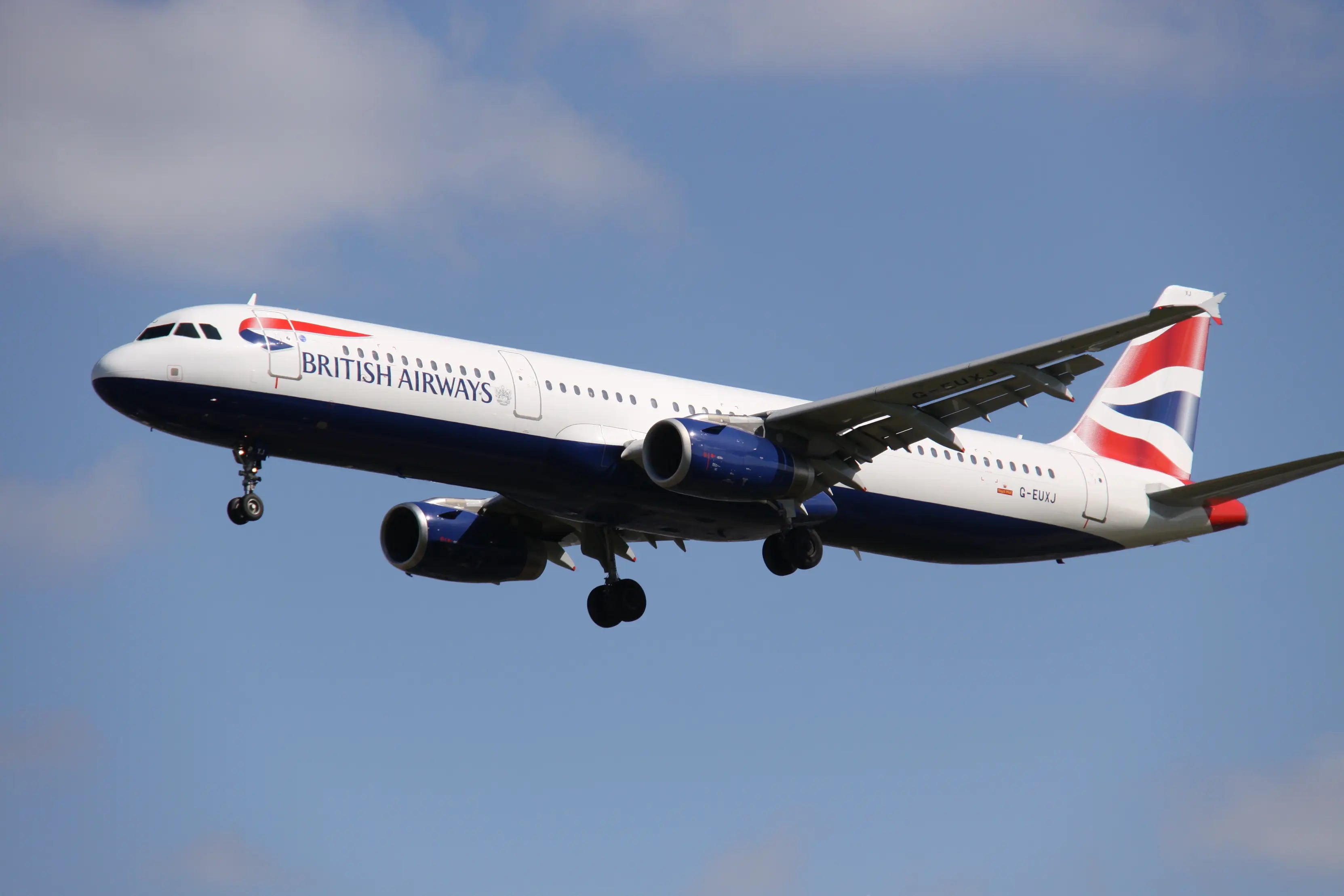
Iberia Express operates an all-Airbus narrowbody fleet, exclusively composed of A320 family aircraft. The fleet strategy is deliberately lean and focused: no wide-bodies, no regional jets, and a single aircraft family for maximum operational and training efficiency. As of late 2025, the fleet comprises 24 aircraft split between the older A320ceo (classic engine option) and the newer, more fuel-efficient A321neo variant. This simplicity benefits pilots by reducing type rating requirements and keeping recurrent training streamlined.
| Aircraft Type | Role | In Service | Notes |
|---|---|---|---|
| Airbus A320-200 (ceo) | Short/medium-haul | 12 | 180 seats, two-class (Business + Economy). Original fleet backbone. Gradually ageing. |
| Airbus A321neo | Short/medium-haul | 12 | 232 seats, flexible two-class. First delivered June 2020. Modern, fuel-efficient. Avg. age ~3.5 years. |
Fleet data as of late 2025 per Planespotters.net and ch-aviation. Numbers approximate due to ongoing deliveries.
The A321neo aircraft are the workhorses of the fleet, deployed on higher-demand routes such as the Canary Islands trunk routes (Tenerife, Gran Canaria, Lanzarote) and busy European destinations. With 232 seats, they offer significantly more capacity than the older A320s (180 seats), making them ideal for the high-volume, leisure-heavy traffic patterns that characterize the Iberia Express network. Both types share the same A320 family type rating, meaning pilots can operate either variant without additional certification.
In 2024, four aircraft originally scheduled for delivery to Iberia Express were reassigned to mainline Iberia operations. This happened because pilot union negotiations between Iberia Express management and SEPLA stalled over proposed compensation structures. The Iberia Express 8th Collective Bargaining Agreement caps the airline's production at 15% of Iberia's total ASKs (available seat-kilometres). Until a new labor agreement is reached, fleet growth at Iberia Express remains effectively frozen, with expansion aircraft being redirected to the parent carrier instead.
Iberia Express requires candidates to hold a valid A320 type rating before starting the Operator Conversion Course (OCC). Unlike some carriers, Iberia Express does not currently fund the initial type rating for new hires. This means pilots must obtain or already hold an A320/A321 rating at their own expense (or from a previous employer) before joining. Once in service, all recurrent training, simulator checks, and any transition between A320 and A321neo variants are covered by the company.
Pilot Salary & Compensation
Comprehensive salary data specific to Iberia Express is not widely published, as the airline's collective bargaining agreement with SEPLA (the Spanish Pilots Union) has been the subject of ongoing negotiations. The figures below are compiled from Spanish airline industry data, comparable carrier benchmarks (Vueling, mainline Iberia), and publicly available recruitment information. They represent estimated ranges for gross annual compensation and should be treated as approximate guides rather than confirmed contract terms.
First Officer (F/O) Pay Scale (estimated)
| Seniority | Monthly Gross (est.) | Annual Gross (est.) | Notes |
|---|---|---|---|
| Year 1 (entry) | ~€3,200 - €3,800 | ~€38,000 - €46,000 | Base + flight pay. No per diem on day-return trips. |
| Year 3-5 | ~€4,200 - €5,000 | ~€50,000 - €60,000 | Incremental seniority steps. Per diems add €3,000-€6,000/yr. |
| Year 7-10 | ~€5,000 - €5,800 | ~€60,000 - €70,000 | Senior F/O level. Higher block hours typical. |
Captain (CDB) Pay Scale (estimated)
| Seniority | Monthly Gross (est.) | Annual Gross (est.) | Notes |
|---|---|---|---|
| Entry Captain | ~€6,500 - €8,000 | ~€78,000 - €96,000 | Newly upgraded. Short-haul narrowbody operations. |
| Captain, 5+ years | ~€8,500 - €10,500 | ~€100,000 - €130,000 | Senior Captain with high seniority. Includes all allowances. |
All figures are gross annual estimates based on Spanish airline industry data and comparable LCC benchmarks. Actual compensation depends on the finalized collective agreement, seniority steps, and block hours flown.
In addition to base salary, Iberia Express pilots receive per diem allowances for overnight layovers and duty away from base. Comparable Spanish carriers pay per diems in the range of €50-€96 per day depending on whether the layover is domestic or international. Annual per diem income can add €5,000 to €12,000 depending on routing patterns and trip structures. Additional compensation may come through overtime payments, public holiday premiums, and night-flying supplements.
Mainline Iberia reached a landmark profit-sharing agreement with SEPLA in November 2025, linking pilot additional income to EBIT performance, punctuality, customer satisfaction (NPS), and productivity metrics. This agreement runs until December 2027. Whether a similar performance-based framework will be extended to Iberia Express pilots depends on the outcome of the currently stalled subsidiary negotiations.
These salary estimates are compiled from multiple public sources including SEPLA publications, industry salary surveys (OneAir, EasyEASA, QualityFly), and comparable carrier data. Iberia Express does not publicly disclose its pilot pay scales. Actual compensation may differ significantly from these estimates, particularly once a new collective agreement is finalized. Spanish income tax rates range from 19% to 47% depending on earnings bracket, and social security contributions further reduce take-home pay. Always verify with the latest SEPLA communications or directly with Iberia Express HR before making career decisions.
Roster Pattern & Quality of Life
Iberia Express operates exclusively within the short- and medium-haul segment, meaning pilots typically return to Madrid on the same day or after a single overnight layover. This operational profile has direct implications for roster construction and quality of life. Under EASA Flight Time Limitation (FTL) regulations (EU Regulation 83/2014), maximum flight duty periods range from 9 to 14 hours depending on the number of sectors and time of day. Spanish labor law provides additional protections beyond EASA minimums.
As a low-cost carrier subsidiary, Iberia Express typically targets higher aircraft utilization and crew productivity compared to mainline legacy operations. This translates to denser scheduling with more sectors per duty day, especially during peak summer months when Canary Islands and Mediterranean leisure traffic surges. Pilots can expect a mix of multi-sector day trips (2-4 sectors) and some overnight layovers on longer European routes.
📅 Sample Month: First Officer (Madrid, Summer Peak)
The roster visual above is an illustrative example based on typical European LCC patterns, not an official Iberia Express roster. Actual schedules vary by season, seniority, and collective agreement terms. Summer peak months (June through September) tend to have the most intensive scheduling, while winter schedules are generally lighter.
All Iberia Express pilots are based at Madrid-Barajas Airport (MAD). There is only one base, so no bidding system for base assignment exists. Madrid offers a good quality of life with a lower cost of living than other major European capitals like London, Paris, or Amsterdam. The city benefits from excellent public transport (Metro line 8 connects T4 to the city centre), a warm Mediterranean climate, vibrant culture, and a central location for easy commuting within Spain. For pilots not wishing to live in Madrid, commuting from other Spanish cities via domestic flights (Iberia's own network) is a practical option, though early report times and late finishes at an LCC can make commuting challenging.
Benefits, Travel Perks & Insurance
As a subsidiary of Iberia operating under Spanish labor law, Iberia Express pilots benefit from a combination of statutory Spanish employee rights and company-specific perks. While the benefits package is not as extensive as what mainline Iberia offers, the IAG Group backing provides a solid foundation of protections and travel privileges.
One of the most tangible benefits of working within the IAG Group is access to the oneworld alliance staff travel network. This includes discounted and standby travel on airlines such as British Airways, American Airlines, Cathay Pacific, Qantas, Qatar Airways, Finnair, and many more. For pilots who love to travel, this can be a significant quality-of-life advantage, offering access to destinations worldwide at heavily reduced rates. Eligibility, priority levels, and booking conditions vary by carrier and are governed by interline agreements.
Career Progression & Seniority
Career progression at Iberia Express follows a seniority-based system, consistent with the standard European airline model. Your seniority number is established upon joining and determines priority for Captain upgrade, scheduling preferences, and other benefits. The airline maintains a separate seniority list from mainline Iberia, meaning seniority accumulated at Iberia Express does not automatically transfer to the parent carrier.
The upgrade timeline from First Officer to Captain depends on several factors: fleet growth, retirement waves, attrition to other airlines, and the airline's hiring pace. During periods of rapid growth at a smaller carrier like Iberia Express, upgrades can potentially be faster than at large legacy airlines. However, the current fleet growth freeze (due to stalled union negotiations) has significantly slowed progression opportunities in 2024-2025.
| Career Milestone | Typical Timeline | Notes |
|---|---|---|
| Join as First Officer | Day 1 | A320 type rating required before start. OCC training (4-6 weeks) then line training. |
| Line check / Fully operational F/O | 3-6 months | After completing supervised line flying and final line check. |
| Captain upgrade | ~4-8 years (est.) | Depends on growth, vacancies, and seniority position. Includes command assessment. |
| Training Captain / TRI / TRE | Variable | Requires selection, additional training, and demonstrated instructional ability. |
| Transition to mainline Iberia | Not guaranteed | Possible via internal IAG transfer, but seniority does not carry over. Treated as new hire. |
A key consideration for pilots joining Iberia Express is the pathway to mainline Iberia. While being part of the IAG Group creates a perceived proximity to the flag carrier, the reality is that transferring from Iberia Express to mainline Iberia is not an automatic process. Pilots wishing to transition would typically need to apply through Iberia's standard recruitment process. However, the Iberia Group's ongoing expansion under its Flight Plan 2030 (which includes 25 new long-haul aircraft and new routes to Toronto, Philadelphia, Orlando, and more) may create transfer opportunities in the coming years, particularly as the parent carrier ramps up recruitment.
Iberia's parent company is in the middle of a significant growth phase. The Flight Plan 2030 targets 3-5% annual capacity growth, fleet expansion to 70 long-haul aircraft (from 45 today), and new transatlantic routes. The 10th Collective Agreement guaranteed 140 Captain promotions at mainline Iberia. For Iberia Express pilots, this broader IAG expansion creates potential long-term career opportunities, even if the direct transfer mechanism is not yet formalized. The pilot shortage across Europe also strengthens the bargaining position of experienced pilots looking to move between IAG subsidiaries.
Recruitment Process & Requirements
Iberia Express recruits pilots through a structured, multi-stage selection process. Unlike mainline Iberia (which also runs a Cadet Programme for ab-initio candidates), Iberia Express recruitment is aimed at experienced pilots who already hold an A320 type rating. The selection is conducted in gradual phases, with preselected candidates contacted via email at each stage.
Minimum Requirements
Note that Iberia Express requires ICAO Level 6 in Spanish (the highest level, equivalent to native proficiency). This is stricter than mainline Iberia's requirement of ICAO Level 5 for some positions. Spanish language fluency is absolutely essential: all company communications, briefings, and crew coordination are conducted in Spanish.
Selection Stages
Online Application
Applications are submitted through the Iberia Group careers portal or the dedicated job posting. You upload your CV, licenses, medical certificate, and supporting documents. Incomplete applications are not considered.
Pre-screening & Documentation Review
HR reviews applications against the minimum requirements. Candidates who do not meet the license, language, or experience criteria are eliminated at this stage. Preselected candidates receive an email with details of the next assessment phase.
Aptitude & Knowledge Tests
Computer-based assessments covering aeronautical knowledge, cognitive ability, logical reasoning, and situational judgment. These tests evaluate decision-making under pressure and basic aviation systems knowledge.
Simulator Assessment
A full-flight simulator session on the A320 type, evaluating technical handling skills, instrument flying, CRM (Crew Resource Management), workload management, and emergency procedures. Typically conducted at the Iberia training centre in Madrid.
Personal Interview
A structured interview assessing motivation, cultural fit, communication skills, and CRM competencies. Conducted partly in Spanish and partly in English. Panel may include a training captain and HR representative.
Medical & Contract
Successful candidates complete a company medical check and receive a contract offer. The Operator Conversion Course (OCC) begins shortly after, covering company procedures, safety equipment training, and supervised line flying.
Unlike some European carriers that fund type rating for new recruits, Iberia Express requires candidates to already hold an A320 type rating before joining. The cost of an A320 type rating in Europe typically ranges from €25,000 to €35,000 through approved training organisations. This represents a significant upfront investment for pilots transitioning from other aircraft types. For pilots already rated on the A320 family (from previous employment at another carrier), this is not a barrier. The Iberia Cadets programme (partnered with FTEJerez) offers a separate entry pathway into the Iberia Group, with partially funded training, but this feeds primarily into mainline Iberia rather than Iberia Express.
How Iberia Express Compares: Airline Radar Chart
How does Iberia Express stack up against its two most relevant competitors for pilot careers in Spain: Vueling (the Barcelona-based IAG LCC) and Iberia (the parent flag carrier)? Below is a comparative analysis across five key metrics. Scores are editorial estimates based on publicly available data and industry benchmarks.
Key Takeaways from the Comparison
Iberia mainline leads across the board. As a full-service flag carrier with wide-body long-haul operations, higher salary scales, stronger union agreements, and a diversified fleet (A320, A321XLR, A330, A350), mainline Iberia offers the most complete career package of the three. The November 2025 profit-sharing agreement and guaranteed 140 Captain promotions further strengthen its position. The trade-off: getting into Iberia mainline is more competitive, and Captain upgrade timelines are typically longer due to the larger pilot workforce.
Iberia Express and Vueling are closely matched. Both are narrowbody LCC operations within the IAG family, with similar salary ranges, fleet types (A320 family), and operational intensity. Vueling holds a slight edge in fleet size (~67 aircraft vs. 24) and offers multiple base options (Barcelona, Paris-Orly, Rome, and seasonal bases), which can be a significant quality-of-life advantage. Iberia Express counters with its single Madrid base (stable, no base moves) and closer operational ties to the Iberia mainline brand.
Career progression differs notably. Vueling's larger fleet and faster growth have historically enabled quicker Captain upgrades. Iberia Express's growth freeze in 2024 has slowed progression considerably. However, if labor negotiations are resolved and fleet growth resumes, Iberia Express's smaller pilot corps could theoretically offer faster advancement during expansion phases.
Scores are editorial estimates based on publicly available salary data, union publications, airline fleet data, industry benchmarks (ECA, FlightDeckFriend, EasyEASA), and pilot community reports. They represent a general assessment for a mid-career pilot evaluating long-term options. Individual experiences will vary based on seniority, personal priorities, and timing of entry. Scores will be updated as new collective agreements are finalized.
Union & Industrial Relations
Pilot representation at Iberia Express is handled by SEPLA (Sindicato Espanol de Pilotos de Lineas Aereas), Spain's primary airline pilots' union. SEPLA represents commercial pilots across multiple Spanish carriers including Iberia, Iberia Express, Vueling, Air Europa, and others. Founded in 1967, SEPLA is Spain's most influential aviation labor organization and the country's sole pilot union with negotiating authority at the national level.
SEPLA Structure
A critical distinction: Iberia Express pilots have a separate collective bargaining agreement from mainline Iberia pilots. The two pilot groups are represented by the same union (SEPLA) but negotiate independently, with distinct salary scales, working conditions, and career terms. The Iberia Express 8th CBA, signed in 2014, capped Iberia Express production at 15% of Iberia's total ASKs (available seat-kilometres), which has been a structural constraint on growth.
Recent Labor Developments
The current labor situation at Iberia Express is the single most important factor for any pilot evaluating this airline. The stalled CBA negotiations create uncertainty around salary scales, fleet growth, hiring pace, and career progression. Until a new agreement is reached, Iberia Express's ability to expand is structurally limited. On the positive side, SEPLA's strong representation ensures that pilot interests are vigorously defended, and the eventual resolution is likely to include improved terms for pilots. The contrast with mainline Iberia's stable, ratified agreement highlights the importance of monitoring SEPLA communications for updates before making a career commitment.
Verdict: Who Is Iberia Express For?
🎯 Our Take
Iberia Express occupies a specific niche in the European pilot career landscape: a small, lean LCC subsidiary of a major flag carrier, operating a modern A320/A321neo fleet from a single base at one of Europe's most important hubs. For Spanish-speaking pilots with an A320 type rating seeking a stable Madrid base and proximity to the wider IAG ecosystem, it offers a solid entry point into professional airline flying.
The trade-offs are significant. Salary levels sit at the lower end of the Spanish market compared to mainline Iberia, the fleet growth freeze creates uncertainty about near-term career progression, and the requirement for self-funded A320 type rating adds a financial barrier to entry. The ongoing labor dispute with SEPLA means that compensation structures and working conditions lack the certainty provided by a ratified collective agreement.
For the right candidate (an A320-rated pilot with strong Spanish, comfortable with LCC operations, and viewing Iberia Express as either a medium-term career or a stepping stone toward the broader IAG group), this can be a worthwhile opportunity. But pilots should enter with eyes open about the current labor climate and manage expectations regarding pay, progression, and the pathway to mainline Iberia.
1 Do I need to speak Spanish to fly for Iberia Express?
Yes. Iberia Express requires ICAO Level 6 in Spanish, which is the highest level and essentially means native or near-native fluency. All internal communications, crew briefings, and the selection process are conducted in Spanish. There is no English-only pathway. English at ICAO Level 4 minimum is also required for ATC communications.
2 Does Iberia Express pay for the A320 type rating?
No. Unlike some European carriers, Iberia Express requires candidates to already hold a valid A320 type rating before starting the Operator Conversion Course. The cost of obtaining an A320 type rating in Europe is typically between €25,000 and €35,000 and must be borne by the pilot. Once in service, all recurrent training and company-specific courses are funded by Iberia Express.
3 Can I transfer from Iberia Express to mainline Iberia?
There is no formal, guaranteed transfer pathway from Iberia Express to mainline Iberia. The two airlines maintain separate seniority lists and separate collective agreements. Pilots wishing to join mainline Iberia would generally need to apply through Iberia's standard recruitment process. However, experience at Iberia Express (especially with IAG procedures and A320 family operations) is likely viewed favorably. Iberia's Flight Plan 2030 expansion may create more opportunities for internal Group mobility in the future.
4 How long does it take to upgrade to Captain at Iberia Express?
Captain upgrade timelines at Iberia Express are estimated at 4 to 8 years during normal growth periods, though this can vary significantly. The current fleet growth freeze (since 2024 due to stalled CBA negotiations) has slowed progression considerably. When growth resumes, the relatively small pilot workforce (~350-400) at Iberia Express could allow for faster upgrades compared to larger carriers. The upgrade process includes a command assessment with simulator checks and interviews.
5 Can non-EU citizens apply to Iberia Express?
Applicants must have the right to work in the European Union and hold an unrestricted passport. EU/EEA and Swiss citizens meet this requirement automatically. Non-EU citizens with valid EU work authorization (such as through Spanish residency) may also be eligible. There is no employer-sponsored work permit pathway.
6 What is the difference between Iberia Express and Vueling for pilots?
Both are IAG-owned LCCs flying A320 family aircraft with broadly similar salary ranges. Key differences: Vueling is larger (~67 aircraft) with multiple base options (Barcelona, Paris-Orly, Rome, and seasonal bases), potentially offering more flexibility and faster progression. Iberia Express is smaller (24 aircraft) with a single Madrid base and closer brand association with Iberia mainline. Vueling's salary may be slightly higher, but both sit in a similar range for Spanish LCC operations. The choice often comes down to preferred base location and personal career strategy.
7 Is Iberia Express hiring pilots in 2025-2026?
Hiring at Iberia Express has been constrained by the stalled CBA negotiations and the resulting fleet growth freeze. While the airline has posted pilot vacancies in the past, the pace of recruitment depends on the resolution of labor disputes and the resumption of fleet expansion. Meanwhile, mainline Iberia has been actively recruiting under its Flight Plan 2030, with a new pilot call launched in July 2025. Monitor the Iberia Group jobs portal for current openings at both airlines.
Official Links & Resources
Before applying or making career decisions, always verify information directly with official sources. These are the key websites and organisations relevant to Iberia Express pilot careers:
Keep a close eye on the SEPLA website (sepla.es) for updates on the Iberia Express collective agreement negotiations. The outcome of these talks will have a direct impact on salary scales, working conditions, and fleet growth for the foreseeable future. Also monitor the Iberia Group jobs portal for new pilot recruitment calls, as both Iberia and Iberia Express vacancies are posted there.