Norwegian Air Shuttle Overview & Company Profile
Norwegian Air Shuttle (branded simply as "Norwegian") is Norway's largest low-cost carrier and, following its 2024 acquisition of regional airline Widerøe, the biggest aviation group in the Nordic region by employee count. Founded in 1993 and headquartered at Fornebu near Oslo, the airline has undergone a dramatic transformation: from a small regional operator flying Fokker 50 turboprops in Western Norway, to Europe's third-largest low-cost carrier during its 2010s peak, through a near-bankruptcy restructuring in 2021, and into its current position as a profitable, focused short-haul European carrier.
Norwegian employs approximately 1,000 pilots across its network, with around 690 based in Norway under Norwegian collective bargaining agreements and the remainder distributed across bases in Sweden, Denmark, Finland, Spain, and Latvia. The combined Norwegian group (including Widerøe) employs roughly 8,200 people and carried 27.3 million passengers in 2025, generating group revenue of NOK 37.6 billion. The airline delivered a record operating profit of NOK 3.7 billion in 2025 with a 9.9% operating margin, confirming its financial recovery. Norwegian is not a member of any airline alliance but maintains interline agreements with several partner carriers.
Fleet Composition & Aircraft Strategy
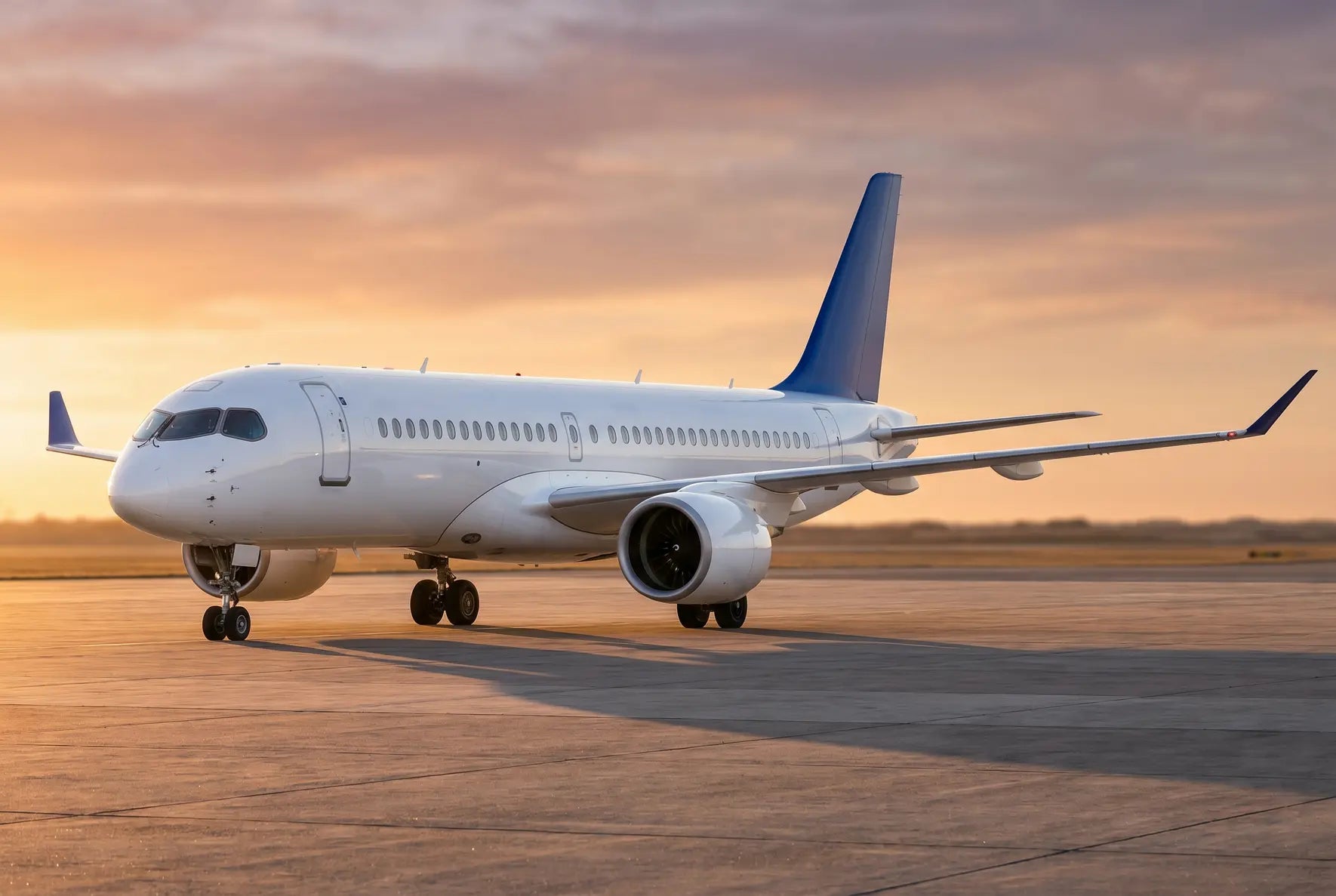
Norwegian operates an all-Boeing 737 fleet, a deliberate strategic choice that delivers major advantages in crew training efficiency, maintenance simplification, and spare parts management. The fleet consists of two closely related variants: the proven Boeing 737-800 NG and the next-generation Boeing 737 MAX 8, which offers approximately 20% better fuel efficiency. With an average fleet age of around 4 years, Norwegian fields one of the youngest fleets among European low-cost carriers.
The airline's fleet renewal is accelerating. In September 2025, Norwegian exercised options for 30 additional 737 MAX 8 aircraft, bringing its total firm order to 80 aircraft with deliveries scheduled through 2031. This was the airline's first direct Boeing order since 2017 and represents its most significant capital commitment since the 2021 restructuring. The 737 MAX aircraft are central to Norwegian's target of reducing CO2 emissions by 45% by 2030 compared to 2019 levels.
| Aircraft Type | Role | In Service | Notes |
|---|---|---|---|
| Boeing 737-800 NG | Narrowbody | ~48 | Workhorse fleet. 186-189 pax. CFM56-7B engines. Boeing Sky Interior with LED lighting. Being gradually replaced by MAX 8. |
| Boeing 737 MAX 8 | Narrowbody | ~48 | 189 pax. LEAP-1B engines. 20% fuel savings vs 737-800. Advanced winglets. 80 on firm order through 2031. |
Fleet figures as of late 2025. Numbers split between Norwegian Air Shuttle (Norway AOC) and Norwegian Air Sweden (Swedish AOC). Widerøe operates a separate fleet of ~49 regional aircraft (Dash 8, Embraer E2).
Norwegian's all-737 strategy means pilots need only one type rating for their entire career at the airline. Transitions between the 737-800 and 737 MAX 8 require a short differences course (typically 4-7 days), not a full type rating. This simplifies career progression and eliminates the complex fleet bidding that exists at multi-type carriers. Both variants share the same basic handling characteristics, cockpit philosophy, and operating procedures, making the transition seamless.
Pilot Salary & Compensation Breakdown
Norwegian has positioned itself as the salary leader in Scandinavian aviation, deliberately outpaying legacy competitor SAS by a significant margin to attract and retain experienced pilots. Compensation is structured as a fixed annual salary (no hourly pay model) plus per diem allowances, overtime provisions, and performance-related components. All figures below are annual gross in Norwegian Krone (NOK) and approximate Euro equivalents. Pilots employed in Norway are subject to Norwegian income tax (marginal rates up to ~47%).
First Officer (F/O) Pay Scale
| Seniority | Annual Gross (NOK) | Annual Gross (EUR est.) | Notes |
|---|---|---|---|
| Entry F/O (1,500 hrs) | ~750,000 NOK | ~€71,000 | Starting salary including base + per diem (~NOK 10,000/month travel allowance) |
| F/O, 3-5 years | ~850,000 - 950,000 NOK | ~€80,000 - €90,000 | Seniority increments apply. Bought day-off compensation available. |
| Senior F/O, 5-8 years | ~1,000,000 - 1,100,000 NOK | ~€95,000 - €105,000 | Top of F/O scale. Approaching upgrade eligibility. |
Captain (CDB) Pay Scale
| Seniority | Annual Gross (NOK) | Annual Gross (EUR est.) | Notes |
|---|---|---|---|
| New Captain | ~1,070,000 - 1,200,000 NOK | ~€101,000 - €114,000 | After upgrade. Includes base salary + allowances. |
| Captain, 5+ years | ~1,300,000 - 1,500,000 NOK | ~€123,000 - €142,000 | Mid-seniority. Double pay for working on days off (~NOK 12,000/day). |
| Senior Captain | ~1,500,000 - 1,800,000+ NOK | ~€142,000 - €170,000+ | Top of scale. Instructor/training captain premiums available. |
Estimates based on aggregated data from pilot forums, industry surveys, and published reports. Actual pay depends on the current collective agreement, seniority steps, and specific contractual classification (Norway vs. Sweden vs. Spain base).
Norwegian does not publicly disclose detailed pilot pay scales. The figures above are compiled from Glassdoor data, pilot forum reports (PPRuNe, Airline Pilot Forums), the 2024 Norwegian Remuneration Report, Norwegian industry salary surveys, and the 2015 collective agreement terms updated for inflation. The key differentiator is that Norwegian consistently pays roughly 50% more than SAS for equivalent First Officer positions and up to 80% more for senior Captains. Pilots based in Spain or other non-Scandinavian bases may receive different (typically lower) compensation packages denominated in EUR rather than NOK. Always verify with the latest NPU collective agreement before making career decisions.
Roster Pattern & Quality of Life
Norwegian operates under EASA Flight Time Limitations (FTL) combined with the Norwegian Pilot Union (NPU) collective agreement. The airline uses a 5-4 roster system for Scandinavian-based pilots: five days of flying followed by four days off. This creates a relatively predictable rhythm, though the specific days rotate. Approximately 30% of pilots have a "variable portion" allowing them to move up to two days per month from the standard pattern to consolidate larger blocks of time off, in exchange for additional compensation of approximately NOK 1,100 per moved day.
📅 Sample Month: First Officer (Oslo Base, 5-4 Pattern)
Senior pilots with established seniority hold fixed rosters with predetermined monthly scheduling, providing excellent advance planning. Junior First Officers in their first 1-2 years typically operate on more variable rosters with less predictability in line bidding outcomes.
Norwegian offers multiple crew bases across Europe, with seniority determining base assignment through a bidding process held twice annually (March and October). Current base options include Oslo (OSL), Bergen (BGO), Stavanger (SVG), Trondheim (TRD) in Norway, plus Stockholm (ARN), Copenhagen (CPH), Helsinki, Malaga, Alicante, and Riga for international operations. The Stockholm base was reopened in spring 2025 with approximately 60 pilots. Service tickets (S2) are provided for commuting between home and base, reducing the financial burden for pilots who do not live near their assigned base.
Benefits, Travel Perks & Retirement
As a Norwegian-headquartered employer, Norwegian Air Shuttle provides a benefits package grounded in Scandinavian social protections, supplemented by airline-specific perks. For pilots employed in Norway, the combination of statutory rights under Norwegian labor law and the NPU collective agreement creates a competitive overall package.
Norwegian pilots in Norway benefit from two pension layers. The Defined Contribution (DC) plan sees the employer contribute 5% of salary up to 7.1G (where G is the Norwegian Social Security base amount, approximately NOK 124,000 in 2025) and 8% above that threshold. Over a 35-year career, this can accumulate to well over NOK 3 million in retirement savings. On top of this, the AFP (Avtalefestet Pensjon) early retirement scheme, negotiated through collective agreements, allows pilots to retire from age 62 with supplementary benefits. This is in addition to the standard Norwegian state pension (Folketrygden). The combined effect provides strong retirement security, especially compared to many other European LCC employers.
Career Progression & Seniority
Career progression at Norwegian is strictly seniority-based, governed by the master seniority list (MSL). Your seniority number is assigned on the first day of ground school training and remains fixed throughout your career. This number determines everything: base bidding, schedule preferences, upgrade priority, and furlough order. Norwegian's single-type fleet (all Boeing 737) significantly simplifies progression compared to multi-type carriers, as there are no complex fleet transition decisions or aircraft-specific seniority lists.
The standout advantage for pilots considering Norwegian is the rapid upgrade timeline. During the current moderate growth phase (3-4% annual capacity expansion), First Officer to Captain upgrade is achievable in approximately 4-5 years. During Norwegian's peak expansion in the early 2010s, some pilots upgraded in as little as 18-24 months. This is dramatically faster than legacy carriers where 8-15+ years is typical.
| Career Milestone | Typical Timeline | Notes |
|---|---|---|
| Join as First Officer (B737) | Day 1 | Entry on either 737-800 or 737 MAX 8. Base assigned by seniority. |
| 737-800 to MAX 8 differences | 4-7 days | Short differences course, not a full type rating. No seniority impact. |
| Captain upgrade | ~4-5 years | Seniority-dependent. Command assessment required. Faster during rapid growth. |
| Training Captain / TRE / TRI | Variable | Separate selection + instructor training. Additional hourly compensation. |
Norwegian actively recruits direct-entry Captains from other carriers, requiring a minimum of 4,000 total hours, 2,000 hours on commercial jets above 30 tonnes MTOW, 500 hours PIC on large jets, and 150 hours in the last 12 months. This offers experienced pilots immediate command positions without progressing through F/O ranks. With 80 737 MAX aircraft on order through 2031 and the recent Widerøe acquisition creating the largest Nordic aviation group, the medium-term outlook for career growth at Norwegian is strong. The airline plans to continue expanding capacity, which should sustain upgrade opportunities and open new base positions across Europe.
Recruitment Process & Requirements
Norwegian recruits pilots through three channels: direct hiring of experienced Captains, recruitment of First Officers from the pilot labor market, and cadet partnerships with four flight training academies. The airline expanded its training pipeline significantly in 2024, signaling sustained long-term demand for new pilots.
Experienced Pilot Requirements
Cadet Programme & Flight School Partnerships
In 2024, Norwegian formalized partnerships with four accredited flight schools to build a structured cadet pipeline:
Selection Stages
Online Application
Submit CV, licenses, logbook summary, and medical certificate through careers.norwegian.com. Applications are screened for minimum qualifications and experience thresholds.
Video Interview
Initial screening via video conference assessing English communication, aviation knowledge, and motivation for joining Norwegian. Typically 30-45 minutes.
Simulator Assessment
Full-flight simulator evaluation on a Boeing 737. Assesses handling skills, decision-making under pressure, CRM ability, and adherence to SOPs. This stage eliminates the majority of remaining candidates.
Psychological & Personality Testing
Psychometric evaluation assessing fitness for safety-critical aviation employment and compatibility with Norwegian's crew culture.
Final Interview & Offer
Face-to-face interview with senior line captains or training captains. Conditional offer subject to medical validation and background check. Total process: 3-6 months from application to contract.
Unlike some legacy carriers, Norwegian has historically required newly hired First Officers without a Boeing 737 type rating to self-fund their type rating (approximately €25,000-35,000) as a condition of employment. This is standard practice among European LCCs but worth factoring into your financial planning. Cadets graduating from partnered flight schools may receive more favorable terms. Direct-entry Captains are typically provided company-funded type rating training. Always confirm the current type rating policy during the recruitment process, as terms can change between hiring campaigns.
How Norwegian Compares: Airline Radar Chart
How does Norwegian stack up against Scandinavia's other major carriers, SAS (Scandinavian Airlines) and Widerøe? Below is a comparative analysis across five key pilot career metrics. SAS offers legacy carrier prestige and long-haul flying but at significantly lower pay. Widerøe (now part of the Norwegian group) provides regional turboprop experience with company-funded training but slower progression.
Key Takeaways from the Comparison
Norwegian dominates on salary. Entry-level F/O pay at Norwegian (~€71,000) exceeds SAS (~€47,000) by roughly 50%. At the Captain level, Norwegian senior Captains earn approximately €170,000 versus ~€95,000 at SAS, a differential approaching 80%. Widerøe pays the least of the three but offsets this with company-funded training. All three are subject to similar Scandinavian tax regimes.
SAS wins on fleet diversity and long-haul experience. SAS operates Airbus A320neo, A330, and A350 aircraft across a global network including North America and Asia, offering pilots international long-haul flying that Norwegian cannot match. For pilots who value the experience of flying wide-body aircraft to distant destinations, SAS remains the only Scandinavian option.
Norwegian offers the fastest career progression. Captain upgrade in 4-5 years at Norwegian versus 8-12 years at SAS and 8+ years at Widerøe. The single-type fleet and continued growth create a favorable upgrade environment. Direct-entry Captain hiring further differentiates Norwegian for experienced pilots seeking immediate command.
Widerøe is the training-friendly option. As the only Scandinavian airline that funds initial type rating training for new pilots, Widerøe removes a significant financial barrier to entry. The challenging short-field operations on turboprop aircraft build exceptional stick-and-rudder skills. Now that Widerøe is part of the Norwegian group, cross-company career pathways may open further opportunities.
Scores are editorial estimates based on publicly available salary data, pilot reports, union publications, airline financial disclosures, and industry benchmarks. They represent a general assessment for pilots evaluating long-term career options. Individual experience will vary significantly based on seniority, base location, and personal priorities. All scores will be updated as dedicated guides are published for SAS and Widerøe.
Union & Industrial Relations
Pilot labor relations at Norwegian are managed through the Norwegian Pilot Union (Norges Piloter / NPU), which represents pilots employed under Norwegian collective bargaining agreements. The NPU is part of the broader Norwegian Pilot Group (NPG), an umbrella organization coordinating pilot associations across Norwegian's Norway, Sweden, and Denmark operations. Union membership is not mandatory but is strongly encouraged, with the vast majority of Norwegian pilots choosing to join.
Union Structure
Recent Negotiations & Key Disputes
The 2025 mediated agreement signals a mature labor relationship between Norwegian and its pilot workforce. The 2015 strike remains the most significant industrial action in the airline's recent history, and its outcomes (improved LoL insurance, pension provisions, roster protections) continue to benefit current pilots. The union's ability to negotiate effectively is strengthened by Norwegian's return to record profitability, as the airline can no longer claim financial hardship in negotiations. For new recruits, joining the NPU provides access to collective agreement protections, grievance support, and a voice in future negotiations around pay and working conditions.
Verdict: Who Is Norwegian For?
🎯 Our Take
Norwegian Air Shuttle is the salary leader in Scandinavian aviation and one of Europe's most attractive low-cost carrier employers. The combination of pay that significantly exceeds legacy competitor SAS (by 50-80% depending on rank), rapid Captain upgrade timelines of 4-5 years, a young and modern all-Boeing 737 fleet, strong Norwegian labor protections, and the financial backing of a company posting record profits makes Norwegian a compelling career choice.
The trade-offs are clear: there is no long-haul flying and no wide-body career path (the 787 Dreamliners are gone). Fleet diversity is minimal with only one aircraft family. First Officers may need to self-fund their type rating (~€25,000-35,000). Norwegian taxes are high, reducing the impact of the generous gross salary. And while the 5-4 roster is predictable, some pilots may prefer the longer rest blocks offered by carriers with different scheduling models.
For pilots who prioritize earning power, fast career progression, operational simplicity, and the stability of a profitable airline with 80 aircraft on order, Norwegian is hard to beat in the European market.
1 Do I need to speak Norwegian to fly for Norwegian Air Shuttle?
No. English is the working language in the cockpit and for all operational communications. ICAO Level 5 English proficiency is the minimum requirement. Norwegian language skills are not required, though they can be helpful for base life in Norway and social integration. Pilots of all nationalities (with EU/EEA work authorization) are welcome to apply.
2 Does Norwegian pay for the type rating?
Historically, Norwegian has required newly hired First Officers without a 737 type rating to self-fund the training (approximately €25,000-35,000). However, cadet programme graduates from partner schools may receive more favorable terms, and direct-entry Captains typically receive company-funded type rating training. Policies can vary between recruitment campaigns, so always confirm during the application process.
3 How long does it take to upgrade to Captain?
Under current growth conditions (2024-2026), the typical upgrade timeline is approximately 4-5 years from joining as a First Officer. During periods of rapid expansion, some pilots have upgraded in as little as 18-24 months. Upgrade is strictly seniority-based and depends on the airline's Captain staffing requirements, fleet growth, and attrition rates.
4 Can non-EU citizens apply?
Norwegian requires pilots to hold legal rights to live and work in the EU/EEA. The airline does not currently sponsor work permits or visas for pilots from outside the EU/EEA. An EASA pilot license issued by a Scandinavian CAA is also required. Pilots with non-EASA licenses would need to convert their license before applying.
5 Does Norwegian still fly long-haul?
No. Norwegian permanently retired its entire Boeing 787 Dreamliner fleet and all long-haul operations as part of the 2021 restructuring. The airline now operates exclusively short-haul European routes with Boeing 737-800 and 737 MAX 8 aircraft. There are no current plans to resume long-haul flying. Pilots seeking wide-body or transatlantic experience should consider SAS or other European legacy carriers.
6 How does Norwegian pilot pay compare to SAS?
Norwegian pays substantially more than SAS at every career level. Entry-level First Officers at Norwegian earn approximately €71,000 compared to ~€47,000 at SAS (a 50% premium). Senior Captains at Norwegian earn up to ~€170,000 versus ~€95,000 at SAS (an 80% premium). Both airlines are subject to similar Scandinavian tax rates, so the net pay differential remains significant. However, SAS offers long-haul flying and alliance benefits that Norwegian cannot match.
7 What is the relationship between Norwegian and Widerøe?
Norwegian completed the acquisition of Widerøe in 2024, making them part of the same corporate group (the largest in the Nordic region by employee count). However, the two airlines maintain separate operational entities, AOCs, and employment structures. Widerøe continues to operate regional turboprop services independently. The potential for cross-company career pathways (e.g., Widerøe pilots transitioning to Norwegian jet operations with seniority credit) is an evolving topic under discussion.
8 Is Norwegian financially stable?
Yes, as of 2025, Norwegian is in the strongest financial position in its history. The airline posted a record operating profit of NOK 3.7 billion in 2025 with a 9.9% operating margin, and the board proposed its first dividend (NOK 0.80 per share). The company has 80 new Boeing 737 MAX 8 aircraft on order through 2031 and continues to expand capacity. The 2021 restructuring eliminated approximately NOK 63-65 billion in debt, creating a clean balance sheet. While past performance is not a guarantee, the current trajectory is positive.
Official Links & Resources
Before applying or making career decisions, always verify information directly with official sources. These are the key websites and organisations relevant to Norwegian Air Shuttle pilot careers:
Check the Norwegian careers portal regularly, as pilot vacancies are posted on a rolling basis rather than through annual campaigns. Follow the Norwegian Pilot Group for union updates and collective agreement developments. For license validation questions specific to Norway, the Luftfartstilsynet online platform is the authoritative source.