

SAS Overview & Company Profile
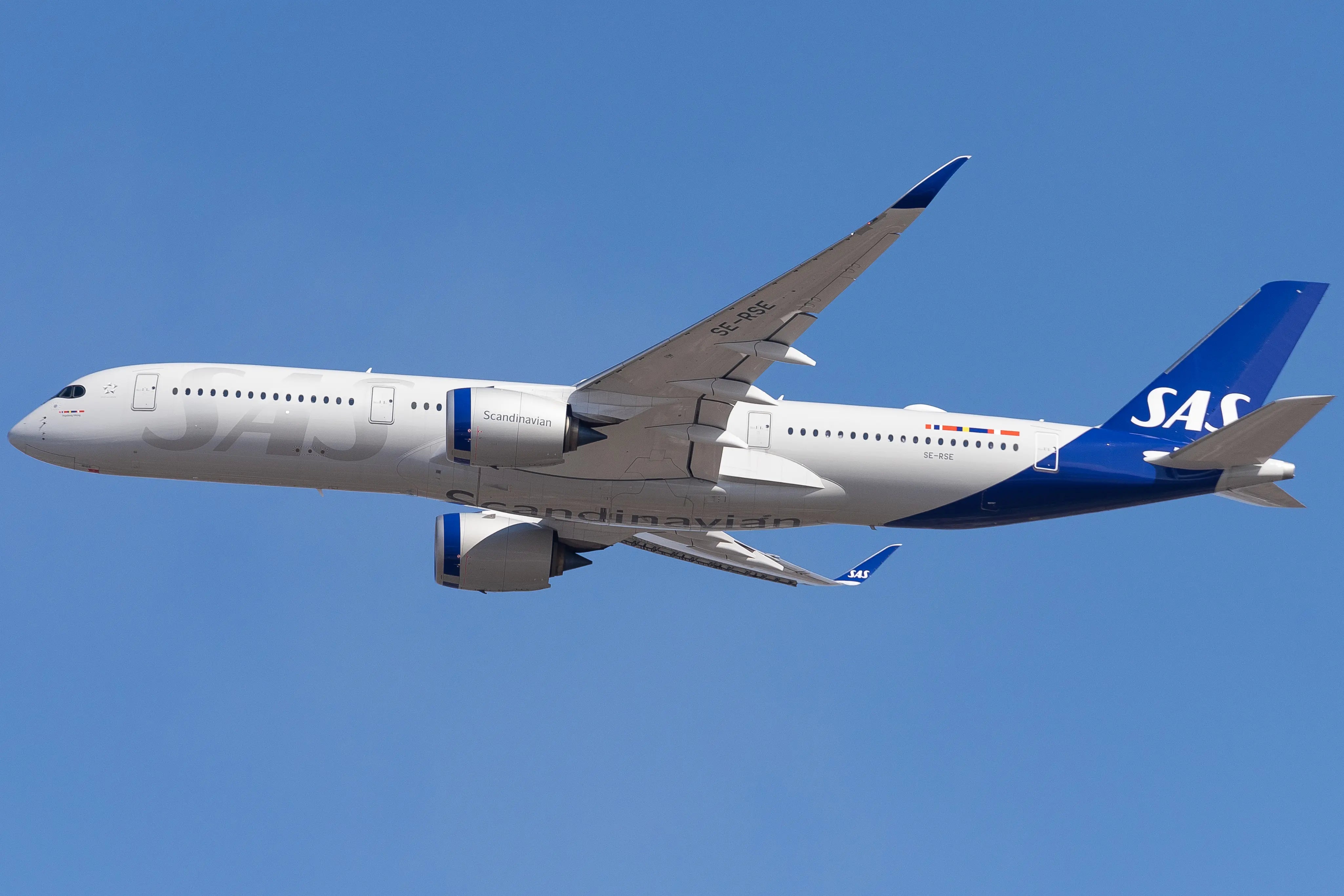
SAS Scandinavian Airlines is the joint flag carrier of Denmark, Norway, and Sweden, formed in 1946 through the merger of three national airlines: AB Aerotransport (Swedish), Det Danske Luftfartselskab (Danish), and Det Norske Luftfartselskap (Norwegian). Headquartered in Solna, Stockholm County, Sweden, SAS is one of the oldest operating airlines in the world and a cornerstone of Nordic aviation. The airline was a founding member of the Star Alliance in 1997, though it transitioned to the SkyTeam alliance on September 1, 2024, aligning with its evolving ownership structure.
SAS operates approximately 130 destinations across Europe, North America, and Asia from three principal hubs: Copenhagen (CPH), Stockholm Arlanda (ARN), and Oslo Gardermoen (OSL). The airline carried 25.2 million passengers in fiscal year 2024, generating total operating revenues of approximately 81.7 billion Swedish kronor. Following a Chapter 11 restructuring completed in December 2024, Air France-KLM acquired a 19.9% stake and announced in July 2025 its intention to increase ownership to 60.5%, with completion targeted for the second half of 2026. This transition positions SAS at a pivotal crossroads, potentially bringing access to Air France-KLM group resources while maintaining its Scandinavian identity. SAS was recognized as the most punctual major airline in the world during 2024-2025, achieving 99.3% regularity in July 2024.
Fleet Composition & Type Ratings
SAS operates a modern, all-Airbus mainline fleet following the retirement of its last Boeing 737 narrowbodies in November 2023. The fleet modernization strategy, initiated in 2013 with a major Airbus order, has delivered a harmonized narrowbody fleet centred on the A320neo family, complemented by A330-300 and A350-900 widebodies for intercontinental operations. Regional services are handled by subsidiary SAS Link operating Embraer E195 aircraft, with additional wet-lease capacity provided by CRJ900 and ATR 72 operators.
| Aircraft Type | Role | In Service | Routes / Notes |
|---|---|---|---|
| Airbus A319 | Narrowbody | 4 | Short/medium-haul European routes. Being gradually phased out. |
| Airbus A320-200 | Narrowbody | 5 | Intra-European, 168-seat configuration. Legacy fleet, retirement planned. |
| Airbus A320neo | Narrowbody | 46 | Fleet backbone. 180-seat config. ~20% more fuel efficient than older A320s. |
| Airbus A321LR | Narrowbody (LR) | 3 | Medium-range transatlantic capable. 157 seats. Point-to-point routes. |
| Airbus A330-300 | Widebody | 8 | Long-haul workhorse. 266 seats (32J + 234Y). North America routes. |
| Airbus A350-900 | Widebody | 4 | Next-gen long-haul. 300 seats (40J + 260Y). Seattle, Seoul, expanding network. |
| Embraer E195 (SAS Link) | Regional | 16 | 120 seats. Regional Scandinavian and feeder routes to hubs. |
| CRJ900 (wet-lease) | Regional | ~16 | Operated by CityJet under SAS branding. Regional routes. |
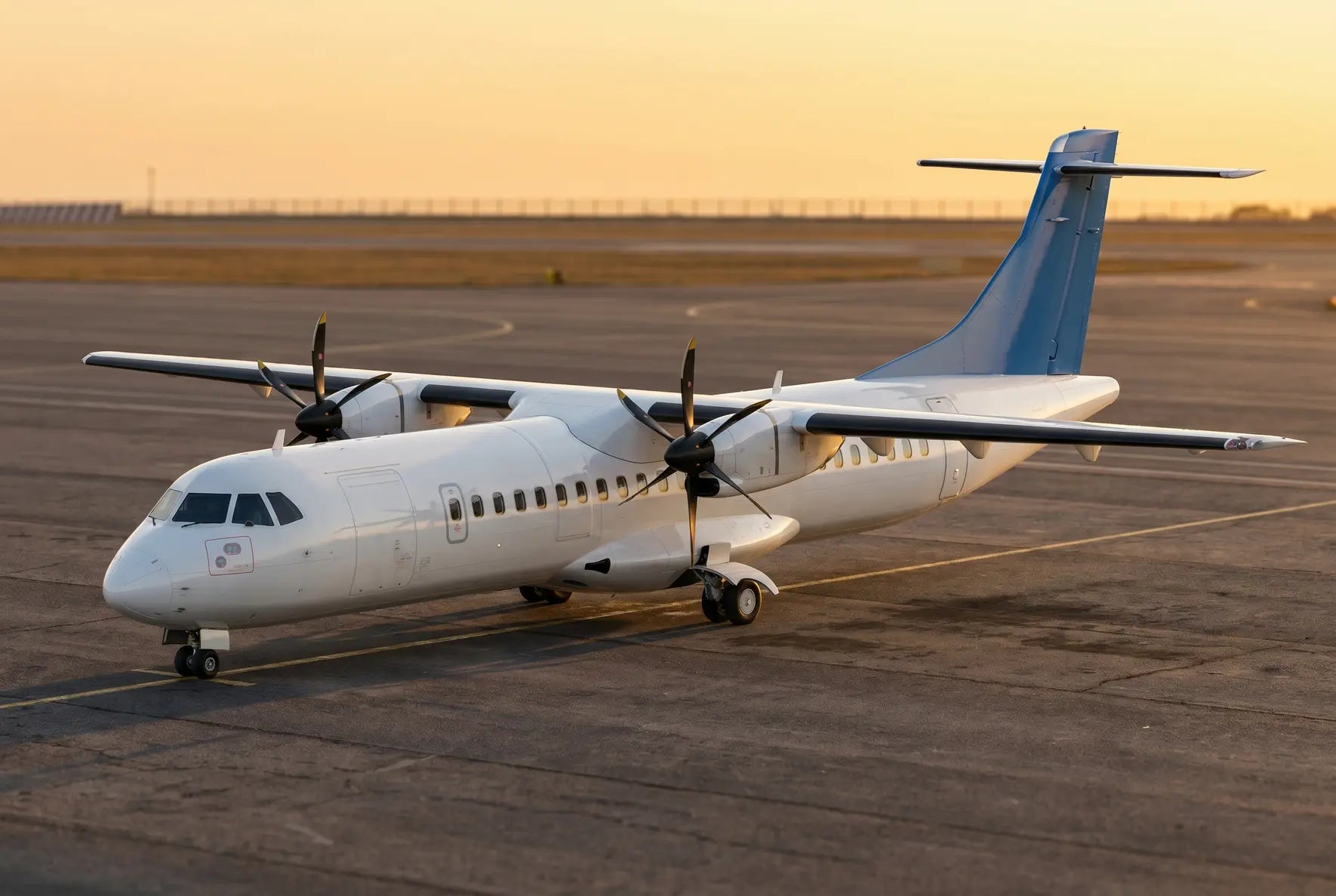
| ATR 72-600 (wet-lease) | Turboprop | ~7 | Short regional routes, primarily domestic Norway and Sweden. |
| Boeing 737-700 | Special | 1 | MEDEVAC configuration for Norwegian Armed Forces. Last Boeing in fleet. |
Fleet data approximate as of late 2025. Includes mainline, SAS Link, and wet-lease operations. Numbers fluctuate with deliveries and seasonal capacity.
SAS has additional A350-900s on order for delivery through 2026, which will expand long-haul capacity and enable new Asian routes including Mumbai (planned for mid-2026). The A320neo fleet continues to grow, with the airline targeting full replacement of legacy A319 and A320-200 aircraft by 2027. The A321LR opens possibilities for thin transatlantic routes without widebody economics. Under Air France-KLM's growing influence, fleet coordination across the group could bring further opportunities for type harmonization.
Pilot Salary & Compensation
Pilot compensation at SAS is structured through collective bargaining agreements with national pilot unions in Denmark, Norway, and Sweden. Salary levels vary by base country, seniority step, type rating status, and flight hours. Compensation includes a monthly base salary, block-hour pay, per diem allowances, and duty-on-off-day supplements. It is important to note that SAS pilot salaries have been a persistent point of contention: they sit notably below those of the airline's main Nordic competitor, Norwegian Air Shuttle, and have been shaped by multiple rounds of cost-cutting during the 2013-2024 restructuring periods.
First Officer Pay Scale (Mainline SAS)
| Seniority / Profile | Monthly Gross (DKK) | Monthly Gross (NOK) | Annual Gross (EUR est.) |
|---|---|---|---|
| Entry F/O (<1,500 hrs, no TR) | 37,900 - 39,900 | 40,850 - 42,950 | ~47,000 - 50,000 |
| Entry F/O (<1,500 hrs, with TR) | 39,700 - 42,400 | 42,750 - 45,660 | ~50,000 - 54,000 |
| F/O (>1,500 hrs, with TR) | 41,400 - 44,300 | 44,650 - 47,780 | ~54,000 - 58,000 |
| F/O after 2 years seniority | ~46,000 - 50,000 | ~54,000 | ~61,000 - 65,000 |
| Senior F/O (5+ years) | ~52,000 - 58,000 | ~58,000 - 64,000 | ~68,000 - 78,000 |
EUR conversions are approximate (1 DKK ~ 0.13 EUR, 1 NOK ~ 0.095 EUR). Swedish-based pilots receive SEK equivalents. Figures represent base salary before per diems and allowances.
Captain Pay Scale (Mainline SAS)
| Seniority Level | Monthly Gross (NOK est.) | Annual Gross (EUR est.) | Notes |
|---|---|---|---|
| Entry Captain (narrowbody) | ~70,000 - 80,000 | ~80,000 - 92,000 | A320 family command. First upgrade step. |
| Mid-seniority Captain (5-10 yrs) | ~85,000 - 95,000 | ~97,000 - 110,000 | Narrowbody or transition to widebody F/O. |
| Senior Captain (widebody, 15+ yrs) | ~100,000 - 115,000 | ~115,000 - 132,000 | A330/A350 command. Maximum scale. |
Captain salary estimates compiled from union data, pilot forums, and industry reports. Actual figures depend on the latest collective agreement and individual base country. SAS Connect captains at 24 years seniority: ~115,400 NOK/month. SAS Link captains at 29 years: ~86,700 NOK/month.
SAS pilot salaries are widely acknowledged to be significantly below those of Norwegian Air Shuttle, the primary Nordic competitor. Entry-level F/O positions at Norwegian start at approximately 71,000 EUR annually versus ~47,000 EUR at SAS, a gap of ~24,000 EUR per year. At senior Captain level, the gap can exceed 100,000 EUR annually. This disparity has been a persistent source of pilot dissatisfaction and attrition. Figures above are estimates based on publicly available data from SAS Group career pages, collective agreement summaries, and independent pilot career platforms. Scandinavian tax rates (typically 35-55% marginal rate) significantly reduce take-home pay. Always verify with the latest collective agreement publications.
Roster Pattern & Quality of Life
SAS operates two distinct rostering systems: a Variable Group and a Fixed Group. All newly hired pilots are assigned to the Variable Group, which provides a minimum of 11 days off per month but with limited scheduling predictability. Monthly rosters are released on the 16th of the preceding month. The Fixed Group offers more predictable patterns but is capacity-limited, with approximately 35% of new-hire positions allocated to this system. Under the 2022 collective agreement, increased flexibility in seasonal production scheduling was agreed in exchange for job security guarantees.
📅 Sample Month — Variable Group First Officer (CPH, Short-Haul)
Long-haul crews operating A330 and A350 aircraft work different patterns: typical rotations involve 1-3 days of flying with layovers at destination, followed by rest days. Augmented crews (3-4 pilots) are used on ultra-long-haul sectors. Short-haul pilots on the Variable Group can expect irregular start times and variable duty patterns, which has been cited as a significant quality-of-life concern in pilot feedback.
SAS pilots can be based at Copenhagen (CPH), Stockholm Arlanda (ARN), or Oslo Gardermoen (OSL), with minor bases at Bergen (BGO), Gothenburg (GOT), Stavanger (SVG), and Trondheim (TRD). Copenhagen is the primary hub for both short-haul and long-haul operations and offers the greatest variety of flying. All three Scandinavian capitals offer high quality of life with excellent public infrastructure, healthcare, and education, though cost of living is among the highest in Europe. The multi-base structure is a genuine advantage: pilots with Scandinavian ties can often find a base close to home.
Benefits, Travel Perks & Pension
SAS provides a benefits package rooted in the Scandinavian social model, combining statutory Nordic employee protections with airline-specific perks. While the package is solid by general employment standards, several pilot-specific benefits (particularly pension contributions) have been noted as less generous than those at competitor airlines following multiple restructuring rounds.
SAS left Star Alliance on August 31, 2024, and joined SkyTeam on September 1, 2024. For pilots and their families, this means staff travel benefits shifted from United, Lufthansa, and Air Canada partnerships to Air France, KLM, Delta, and Korean Air networks. The SkyTeam alliance covers over 1,060 destinations globally. While this represents a different set of airlines, the breadth of coverage remains comparable. Pilots who previously valued Star Alliance routing (particularly for Pacific travel via ANA or Singapore Airlines) will need to adjust to SkyTeam routing options.
Career Progression & Seniority
Career progression at SAS is governed by a unified seniority system spanning the entire SAS Group, including mainline SAS, SAS Connect, and SAS Link. Seniority is calculated from initial employment date, providing consistency across subsidiaries. Pilots start as First Officers and progress to Captain through a combination of seniority, demonstrated performance, fleet demand, and training capacity. SAS explicitly states that there are no fixed timelines for upgrades.
| Career Milestone | Typical Timeline | Notes |
|---|---|---|
| Join as F/O (Embraer E195, SAS Link) | Day 1 | Common entry point for regional operations. Separate CBA but shared seniority list. |
| Transition to F/O (A320 family, mainline) | 1-3 years | Seniority-dependent. Short/medium-haul European operations from CPH, ARN, or OSL. |
| Captain upgrade (narrowbody) | 4-7 years (est.) | Under normal conditions. Extended during restructuring. Command assessment required. |
| Long-haul F/O (A330/A350) | 5-10 years | Seniority-based transition. North American and Asian routes. |
| Captain (widebody A330/A350) | 15-20+ years | Peak of seniority list. Intercontinental command. |
| Training Captain / TRI / TRE | Variable | Requires separate selection. Reduced block hours, instructor duties. |
A typical career trajectory at SAS might progress from Embraer E195 regional operations (SAS Link), to A320neo short-haul (mainline), to narrowbody Captain, and eventually to widebody First Officer or Captain on the A330/A350. The unified seniority list means that starting on regional operations does not disadvantage long-term career prospects.
Following SAS's emergence from Chapter 11 in December 2024, the airline committed to rehiring 450 pilots through 2024, a target substantially met. With A350 deliveries continuing and new long-haul routes launching (Seoul from September 2025, Mumbai planned for 2026), upgrade and fleet transition opportunities are expected to accelerate through 2026-2027. The Air France-KLM majority ownership, if finalized, could also open pathways for group-level career mobility, though no formal agreements exist yet.
Recruitment Process & Requirements
SAS recruits pilots through two main pathways: direct hire of experienced pilots (the majority of intake) and a structured MPL cadet programme run in partnership with training organizations such as the CAPA flight academy. The selection process evaluates technical knowledge, decision-making, CRM aptitude, and psychomotor skills. Successful candidates commit to a 36-month training bond.
Experienced Pilot Requirements
MPL Cadet Programme (via CAPA)
Selection Stages
Online Application & Screening
Submit CV, license documentation, and flight hour records via the SAS Group careers portal. Initial screening filters for license validity, flight hours, and work authorization.
Aptitude & Psychometric Testing
Computer-based assessments evaluating cognitive ability, spatial reasoning, multitasking, instrument interpretation, and psychomotor coordination. Conducted by trained SAS assessors and professional recruitment specialists.
Interview & Group Assessment
Panel interview focusing on CRM skills, decision-making under pressure, and cultural fit. Group exercises may be included to assess teamwork and communication abilities.
Simulator Assessment
Technical evaluation in a full-flight simulator. Assesses basic flying skills, instrument procedures, and multi-crew coordination. Assessment intensity varies based on experience level and target fleet.
Medical & Background Check
Valid Class 1 medical required. Five-year employment background check conducted by third-party security vendor. Criminal record certificates required from all countries of residence during the background period (dated no older than 30 days).
Contract & Type Rating
SAS covers type rating training (A320 or E195). 36-month training bond applies. Pilots who leave before the bond period ends must reimburse training costs.
While Scandinavian language skills are not a formal requirement, pilot reviews consistently note that candidates who speak Norwegian, Swedish, or Danish integrate more smoothly into SAS culture and may have stronger prospects for preferred base assignments. The selection process is conducted in English but day-to-day crew interactions are frequently in Scandinavian languages. Positions are advertised on the SAS Group careers portal on a rolling basis, with intake volumes increasing significantly post-restructuring.
Top 5 Layover Destinations
SAS's long-haul network, operated primarily from Copenhagen with additional services from Stockholm and Oslo, spans North America and increasingly Asia. Layovers on widebody A330 and A350 rotations typically last 24-48 hours, with hotel accommodation and ground transport provided by the airline. Long-haul layover destinations represent a meaningful quality-of-life perk for SAS pilots.
SAS is actively expanding its long-haul network as A350 deliveries continue. Beyond the current destinations, the airline has announced direct Copenhagen-Mumbai service (5x weekly, planned for mid-2026) and increased Tokyo frequencies for summer 2026. Los Angeles, San Francisco, Washington, Boston, Atlanta, and Toronto also feature in the North American network. Layover destination assignment depends on your roster and seniority, with more senior pilots getting priority on preferred routes.
How SAS Compares: Airline Radar Chart
How does SAS stack up against the two most relevant Nordic competitors: Norwegian Air Shuttle (the largest LCC in Scandinavia) and Finnair (the Finnish flag carrier)? Below is a comparative analysis across five key metrics. Scores are editorial estimates based on publicly available salary data, pilot reviews, and industry benchmarks.
Key Takeaways from the Comparison
Norwegian dominates on salary. The compensation gap between SAS and Norwegian Air Shuttle is the single most significant differentiator. Entry F/O salary at Norwegian (~71,000 EUR) is approximately 50% higher than at SAS (~47,000 EUR). At senior Captain level, the gap can exceed 100,000 EUR annually. Norwegian also offers fixed 5-on/4-off roster patterns, providing significantly more scheduling predictability than SAS's variable system.
SAS leads on fleet diversity and network scope. With A320neo narrowbodies, A330 and A350 widebodies, and regional E195 operations, SAS offers a career spanning multiple aircraft types and operational contexts, from domestic Scandinavian turboprop feeder routes to intercontinental A350 services. Norwegian, by contrast, operates a single-type narrowbody fleet (737 MAX / 787 Dreamliner), limiting fleet progression opportunities.
Finnair occupies the middle ground. The Finnish flag carrier offers moderate compensation (above SAS, below Norwegian for equivalent positions), a modern A350-heavy fleet, and strong Asian long-haul operations via the Helsinki hub. Finnair's smaller scale means fewer positions but potentially faster upgrade timelines.
SAS's multi-base structure is unique. The ability to be based in Copenhagen, Stockholm, or Oslo (with minor bases at Bergen, Gothenburg, Stavanger, and Trondheim) is a genuine competitive advantage for pilots with ties to multiple Scandinavian countries. Neither Norwegian nor Finnair offers comparable base diversity.
Radar chart scores are editorial estimates based on publicly available salary data, pilot reviews (Glassdoor, PilotsGlobal, PPRuNe), union publications, airline annual reports, and industry benchmarks from the European Cockpit Association (ECA). They represent a general assessment for a mid-career pilot considering long-term career options. Individual experiences will vary based on seniority, base assignment, and personal priorities.
Union & Industrial Relations
Understanding SAS's union landscape is essential for any pilot considering the airline. Due to its tri-national structure spanning Denmark, Norway, and Sweden, SAS pilot representation is divided among four separate national unions, each negotiating within their country's labor law framework while coordinating on cross-border issues.
Recent Strike History & Key Disputes
The 5.5-year collective agreement reached in 2022 provides labor stability through approximately 2028, meaning new hires can expect predictable working conditions without imminent strike risk. However, the underlying compensation gap versus Norwegian Air Shuttle remains a source of workforce frustration. Union membership is standard practice among SAS pilots and is strongly recommended for navigating the multi-national CBA landscape. The four-union structure means that conditions can vary slightly by base country, so pilots should clarify the specific terms applicable to their chosen base before accepting an offer.
Verdict: Who Is SAS For?
🎯 Our Take
SAS Scandinavian Airlines offers a genuine legacy carrier career in one of the world's most liveable regions. The combination of a modern all-Airbus fleet (from A320neo to A350), three Scandinavian hub bases, 42 days of annual leave, an expanding long-haul network, and the Scandinavian quality-of-life framework makes SAS an attractive proposition for pilots who value lifestyle and geographic flexibility.
The significant trade-off is compensation. SAS pilot salaries are substantially below those of Norwegian Air Shuttle, the primary regional competitor, with entry-level gaps of ~24,000 EUR annually and senior-level gaps exceeding 100,000 EUR. The variable roster system for new hires reduces scheduling predictability, and the post-restructuring environment, while stabilizing, still carries uncertainty around the Air France-KLM integration timeline and its long-term implications.
For pilots who prioritize living in Scandinavia, flying a diverse fleet from regional to widebody, and building a long-term seniority-based career at a historic airline undergoing a potentially transformative ownership change, SAS remains a compelling choice. The Air France-KLM integration could eventually bring compensation harmonization, group-level career mobility, and enhanced network opportunities, though these remain prospects rather than guarantees as of 2025.
1 Do I need to speak a Scandinavian language to fly for SAS?
No. The formal language requirement is ICAO English Level 5 or 6. However, pilot reviews consistently note that speaking Norwegian, Swedish, or Danish significantly helps with cultural integration, crew interactions, and base assignment preferences. Day-to-day communications among Scandinavian crews often switch to local languages. While it is not a dealbreaker, Scandinavian language skills are a strong practical advantage.
2 Does SAS pay for the type rating?
Yes. SAS covers type rating training costs for pilots recruited through the official selection process (A320 or E195 depending on fleet assignment). In exchange, pilots commit to a 36-month training bond. If you leave SAS before the bond period ends, you are required to reimburse the training costs.
3 How long does it take to upgrade to Captain at SAS?
SAS states that there are no fixed timelines for Captain upgrade. Under normal operational conditions, industry estimates suggest 4-7 years for narrowbody command. Widebody Captain positions (A330/A350) require significantly more seniority, typically 15-20+ years. Upgrade timing fluctuates with fleet demand, retirement waves, and company growth. Post-restructuring fleet expansion is expected to create new upgrade opportunities through 2026-2027.
4 Can non-EU citizens apply to SAS?
SAS requires candidates to have unrestricted right to live and work in the European Union. Non-EU citizens without existing EU work authorization are not eligible. Norway (while not an EU member) is part of the EEA, so EEA nationals can also apply for Norwegian-based positions.
5 What is the difference between SAS mainline, SAS Connect, and SAS Link?
SAS mainline operates the core fleet (A320 family + widebodies). SAS Connect operates A320neo aircraft on select routes under a separate but related structure. SAS Link operates Embraer E195 regional aircraft. All three share a unified seniority list, meaning starting at SAS Link does not disadvantage your long-term career. However, compensation at SAS Link is approximately 15% below mainline levels, and SAS Connect has minor variations from mainline terms. The unified seniority list is a genuine benefit: it ensures career mobility across the group.
6 How does the Air France-KLM ownership affect SAS pilots?
Air France-KLM acquired 19.9% of SAS and announced in July 2025 its intention to increase to 60.5% ownership, with completion expected in the second half of 2026. For pilots, this could eventually mean improved commercial coordination within the SkyTeam network, potential compensation benchmarking against Air France-KLM group standards, and possible group-level career mobility. However, these are future possibilities. No formal pilot career integration agreements have been announced as of 2025, and the 5.5-year collective agreement remains in force through approximately 2028.
7 Is SAS salary competitive compared to other European airlines?
SAS pilot salaries are below the European industry median. Entry F/O positions start at approximately 47,000 EUR annually, compared to a European average of 56,000-65,000 EUR for equivalent experience. The gap is most pronounced versus Norwegian Air Shuttle (~71,000 EUR entry). However, when factoring in Scandinavian quality of life, 42 days annual leave, parental leave provisions, and the multi-base structure, the total package may appeal to pilots who weigh lifestyle factors heavily. The Air France-KLM integration may also bring future compensation improvements.
8 What happened after SAS's Chapter 11 restructuring?
SAS completed its Chapter 11 restructuring in December 2024, emerging with a strengthened capital structure and Air France-KLM as a significant shareholder. The airline committed to rehiring 450 pilots, a target largely met by 2024. Operations have stabilized, with FY2024 revenue of 81.7 billion SEK and record monthly profitability in July 2024. The restructuring period is now over, and SAS is focused on network expansion, fleet renewal, and the transition toward deeper Air France-KLM integration.
Official Links & Resources
Before applying or making any career decisions, always verify information directly with official sources. These are the key websites and organisations relevant to SAS pilot careers:
Bookmark the SAS Group Newsroom (sasgroup.net/newsroom) for the latest fleet, route, and corporate announcements. For pilot-specific developments, monitor the national pilot union websites (DPF, SPF, NF) which publish collective agreement updates and negotiate on behalf of their members. Independent pilot review platforms like PilotsGlobal provide anonymous peer reviews from current and former SAS pilots.